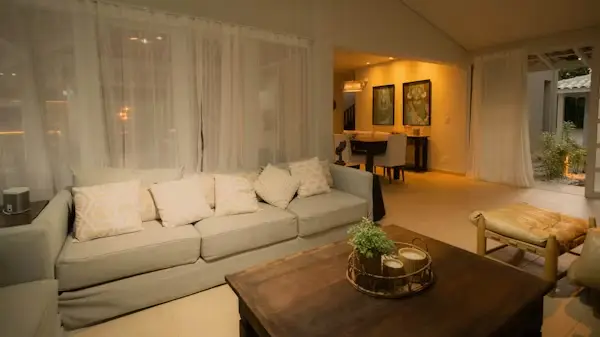
Most people do not realise how much their surroundings are affecting them until they walk into a space that actually feels good. You know the feeling. The room is calm, everything seems to have a reason for being there, and within a few minutes your shoulders drop and your brain finally stops buzzing.
That feeling is not an accident. It is the result of small, deliberate choices made by someone who understood that the spaces we spend time in either restore us or quietly drain us.
The best part? You do not need a complete renovation or a massive budget to get there. You just need to know where to focus.
Your Environment Is Always Doing Something to You
Whether you notice it or not, the space around you is constantly sending signals to your nervous system. Clutter reads as unfinished business. Harsh lighting keeps the brain alert when it wants to wind down. Uncomfortable seating creates low-level physical tension that builds over hours.
None of these things feel dramatic on their own. But together, over the course of a day, they add up to a kind of background stress that most people have just accepted as normal.
It is not normal. It is fixable.
Research in environmental psychology has shown for decades that certain spaces genuinely help the nervous system recover. They share common qualities: soft, layered lighting, natural materials, physical comfort, and a visual environment that feels organised without feeling sterile.
Strip away one of those elements and the whole experience suffers. Get all of them working together and the difference is immediate.
The Visual Environment: Where Most People Drop the Ball
A lot of people put real thought into their furniture and then completely neglect the walls. Or they hang things up in a rush and never revisit it. The result is a room that feels unfinished or visually busy, even if nothing in it is technically wrong.
Here is what tends to get overlooked: the eye needs somewhere to settle. When walls are cluttered, asymmetrical or filled with dated, tired-looking displays, the brain registers it as mild chaos. It is subtle, but it chips away at that sense of calm.
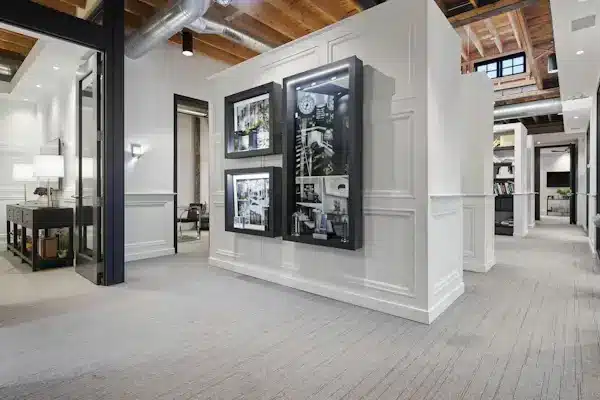
For businesses this matters even more. A wellness centre, a clinic waiting room, a boutique hotel lobby or even a well-run café sends an immediate message through its visual presentation. Clean, current and intentional says: someone cares about this place. Messy and neglected says the opposite.
One genuinely useful tool that does not get nearly enough credit here is the snap frame. It sounds simple, and it is, but the impact is surprisingly significant. Instead of pinning things to walls or using bulky frames that take time to change, a snap frame lets you swap out artwork, menus, promotions or information panels in seconds. Everything stays looking sharp and deliberate. For anyone managing a commercial space or even a home office, it is one of the easiest upgrades you can make to the visual quality of a room.
Physical Comfort Is Not Optional
Once the visual side of a space feels considered, the next thing to get right is how it actually feels to be inside it. And that comes down, more than anything else, to seating.
This sounds obvious. But the number of spaces, homes included, where the seating looks great and feels mediocre is remarkable. People spend money on aesthetics and then spend hours sitting in chairs that offer almost no real support.
The body carries a lot by the end of a typical day. Hours at a desk, time spent in a car, the general physical load of looking after a household or managing a team. That tension does not just evaporate when you sit down. It needs somewhere to go.
Seating that is built around actual recovery, rather than just appearance, makes a real difference. The kind that adjusts to the body, supports the lower back properly and allows you to genuinely let go of physical tension rather than just shifting it around.
This is exactly where massage recliner chairs earn their place in a well-designed relaxation space. A quality recliner does not just lean back. It positions the body in a way that takes pressure off the spine, while built-in massage functions work through the muscle groups that hold the most tension after a long day. Back, shoulders, neck, legs. For anyone who deals with recurring tightness or fatigue, it is not an indulgence. It is a recovery tool.
And increasingly, it is showing up in commercial settings too. Clinics, wellness studios and corporate breakout spaces are all recognising that physical recovery furniture pays for itself in the wellbeing of the people using the space.

The Details People Forget About
Good lighting, a decent chair and tidy walls will take you a long way. But the spaces that really stick in your memory tend to get the smaller things right too.
Acoustics, for instance. Hard floors and bare walls create echo, and echo is fatiguing in a way that is easy to miss but hard to ignore once you notice it. Rugs, curtains, cushions and upholstered furniture all absorb sound and make a room noticeably quieter and warmer to be in.
Temperature control matters just as much. Not just whether the room is warm or cold, but whether the person inside it can adjust their immediate environment. A throw blanket on the arm of a reading chair. A fan within reach on a warm afternoon. Small things, but they hand control back to the person in the space, which is a significant part of what makes somewhere feel comfortable.
Scent is another one that rarely gets discussed in practical terms. A diffuser with a simple, clean fragrance can shift the emotional tone of a room in under a minute. It does not need to be expensive or elaborate. It just needs to be intentional.
Putting It All Together Without Overthinking It
The temptation with any kind of space redesign is to do everything at once, or to feel like it needs to be perfect before it counts. Neither of those approaches tends to work very well.
A better starting point is to pick the single biggest source of discomfort in a space and address that first. Is it the seating? The visual clutter on the walls? The fact that the lighting is too harsh in the evenings? Start there. Notice what changes. Then move to the next thing.
A space that genuinely supports rest is built in layers. No single element does it alone. But each layer you add compounds on the ones before it, and the cumulative effect is something that people who spend time in your space will notice and appreciate, even if they cannot quite put their finger on why it feels so good.
That quality, the “I do not know what it is but I love being here” quality, is what intentional design actually produces. And it is well within reach for anyone willing to approach it one thoughtful step at a time.