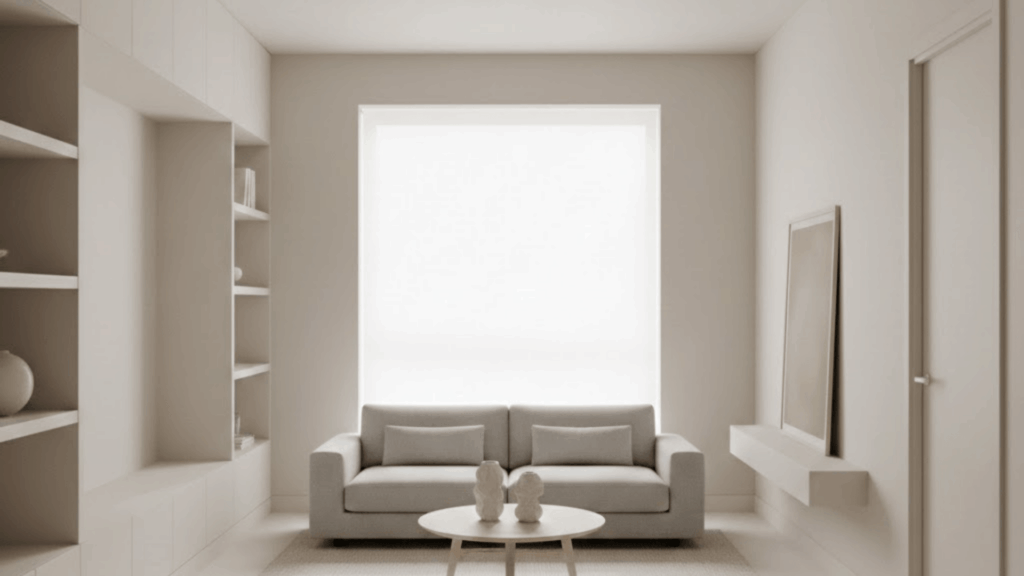
Want to know how to make a room look bigger with paint without tearing down walls? I get it. You don’t need to knock down walls or spend thousands on renovations to make your space feel bigger.
Paint can completely change how your room looks and feels. The right color tricks your brain into seeing more space than actually exists. Your walls can look farther away with just a gallon of paint and a weekend.
Light bounces differently depending on what shade you choose. Dark shades pull things closer while lighter ones push them back.
I’m going to show you exactly which colors work and which ones don’t. Let’s turn that tiny room into something that actually feels open and airy.
Why Paint Can Change How Big a Room Feels?
Paint color does something weird to your perception of space. Light colors reflect light all around your room. This makes your walls appear to pull back from you. It creates a visual effect that changes how you see distance.
Dark colors are totally different. They absorb light instead of bouncing it back. When you look at dark walls, they seem to move closer to you. Your room can feel tighter and more enclosed. I find the contrast thing fascinating, too.
When you have one dark wall and three light ones, your eye gets confused. The dark wall steps forward while the light ones recede. It’s all about how your brain processes what you’re seeing.
11 Ways to Make a Room Look Bigger
I’m going to show you some paint tricks that can change how your room feels. These work by playing with light, color, and how your brain sees space:
1. Paint the Ceiling and Walls the Same Color
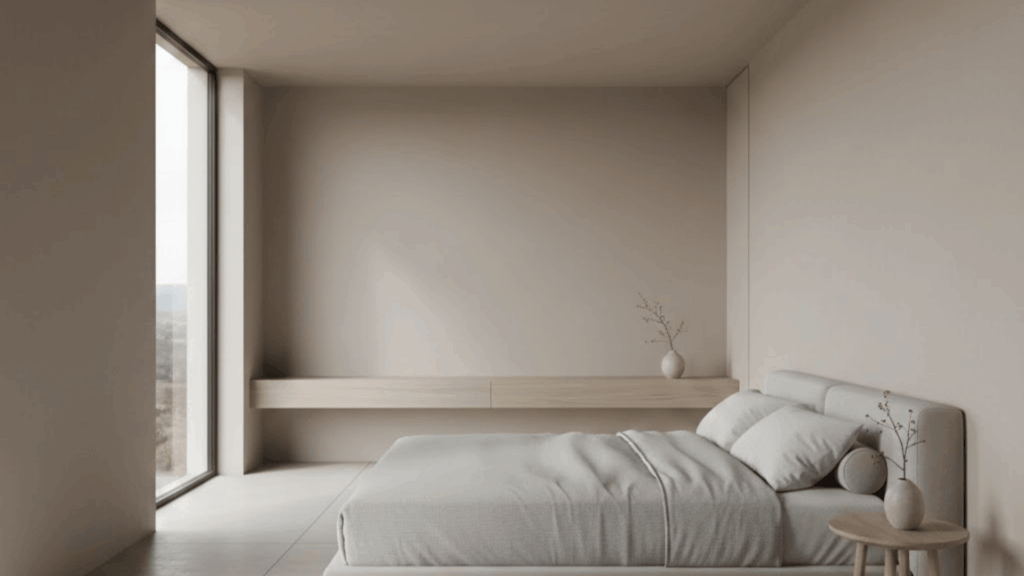
When you paint your ceiling and walls the same color, you remove a visual break. Your eye travels smoothly from the wall to the ceiling without stopping. This makes your room feel taller than it actually is.
The space opens up because there’s no line cutting it in half. I’ve seen this work especially well in smaller rooms. It’s one of the easiest ways to add height without any construction work.
2. Raise the Ceiling Paint Line
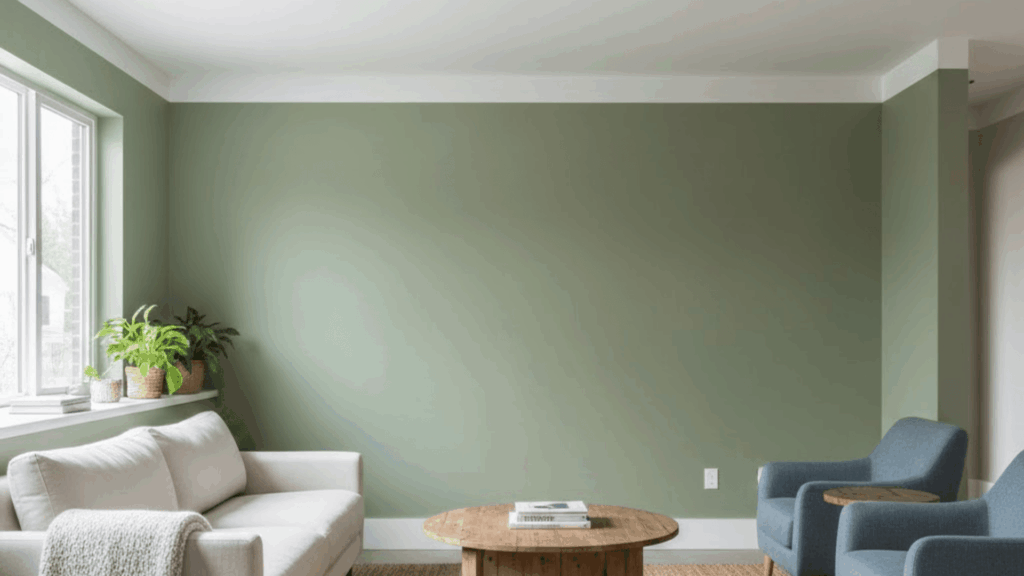
You can extend your wall color a few inches onto the ceiling. This creates an optical illusion that pushes your ceiling higher. Your brain sees the extra color and thinks the walls are taller.
It works great if you have low ceilings that make your room feel cramped. Just tape off a clean line and paint over the edge. You’ll notice the difference right away when you step back.
3. Paint Vertical Stripes on the Walls
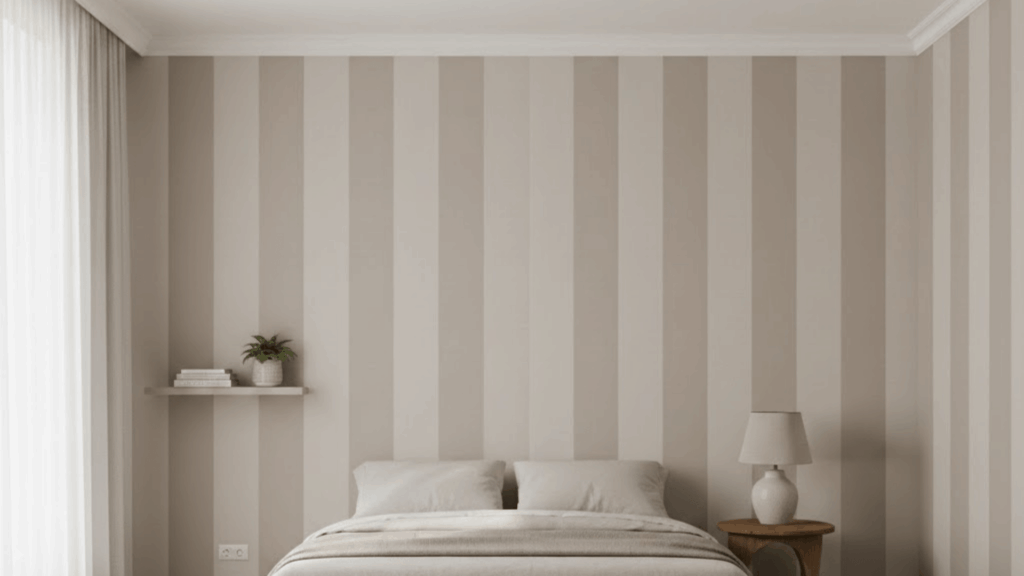
Vertical stripes pull your eye straight up toward the ceiling. This makes your walls look taller than they really are. You don’t need bold stripes either. Subtle tone-on-tone stripes work just as well without overwhelming your space.
The trick is getting your eye to travel upward instead of side to side. You can paint them yourself with painter’s tape and a steady hand. The effect really does make your ceiling feel higher.
4. Use Horizontal Stripes to Stretch the Space
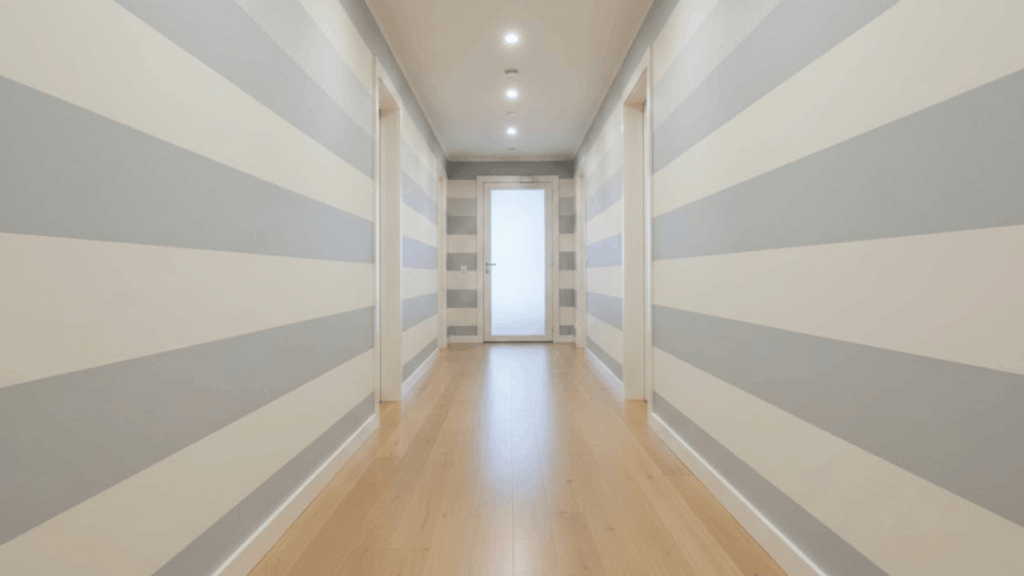
Horizontal stripes move your eye from side to side across the room. This makes narrow spaces feel wider than they actually are. They work best in hallways, small bedrooms, or any room that feels too tight. You’re basically tricking your brain into seeing more width.
Keep the stripes soft and similar in tone for a subtle effect. Bold stripes can work too if you want something more dramatic.
5. Paint the Trim the Same Color as the Walls
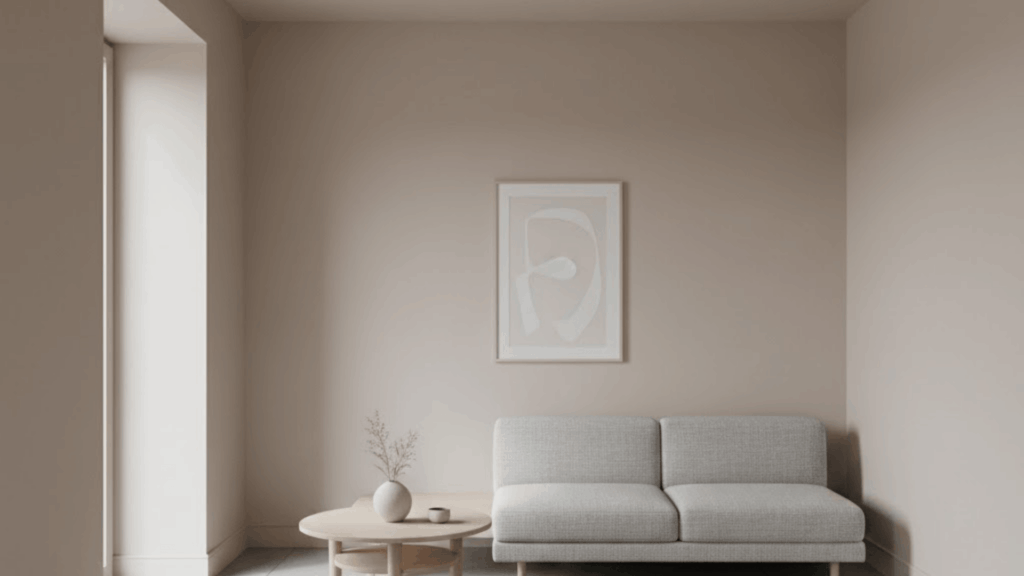
When your trim matches your walls, you remove a visual border. Fewer lines mean fewer places for your eye to stop and measure. This makes your room feel larger because everything flows together.
The space looks continuous instead of chopped up into sections. I recommend this especially in small rooms where every inch counts. It’s a simple change that makes a real difference in how big things feel.
6. Paint Doors the Same Color as the Walls
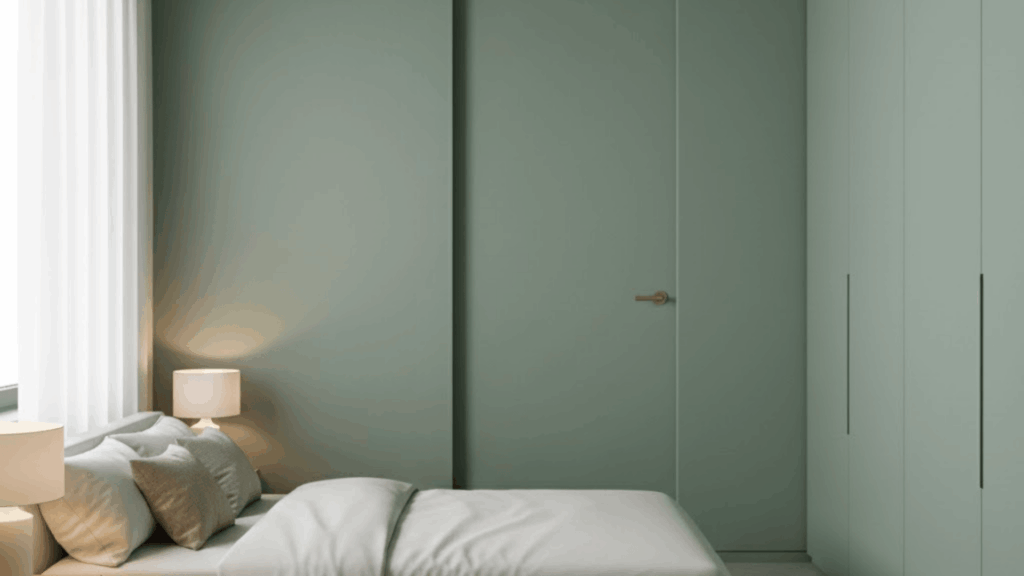
Matching your doors to your walls helps them disappear into the background. Your eye stops noticing them as separate objects taking up space. This reduces visual clutter and keeps attention on the room itself.
You get a cleaner, more open feeling throughout your space. It works especially well if you have multiple doors in one room. The fewer interruptions your eye sees, the bigger everything feels.
7. Extend Wall Color Onto Built-Ins
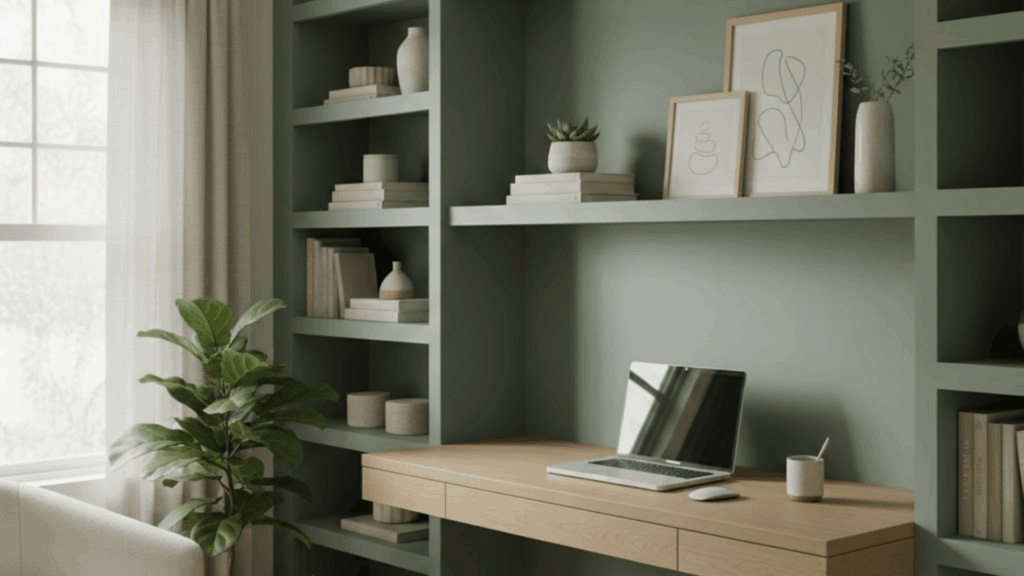
When you paint shelves and cabinets the same color as your walls, they blend right in. They stop breaking up your room visually. Your eye reads them as part of the wall instead of separate pieces.
This makes your space feel more continuous and open. Built-ins can actually make a room feel smaller when they’re painted a different color. Matching them removes that problem completely.
8. Use a Single Paint Color Across Connected Rooms
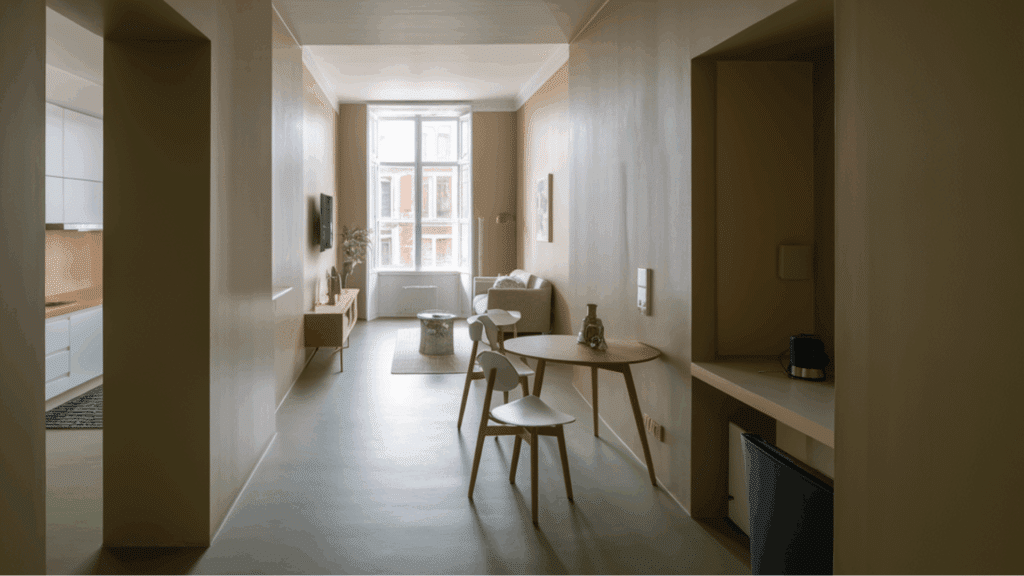
Carrying one paint color through multiple rooms creates visual flow. Your eye travels from space to space without stopping at color changes. Each area feels like part of something bigger instead of a separate box.
This works great in open floor plans or rooms that connect directly. You lose the choppy feeling of moving between different spaces. Everything starts to feel more spacious and connected.
9. Paint the Back Wall Only to Add Depth
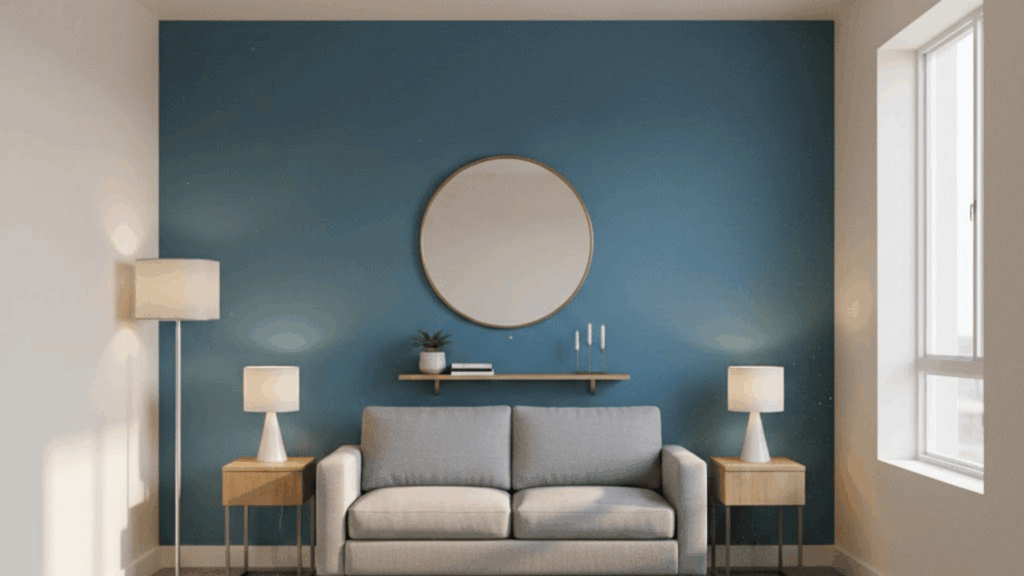
Painting just the far wall pushes it visually away from you. This adds depth to rooms that feel boxy or too square. Your brain interprets the color change as distance.
The wall seems farther back than it actually is. This trick works best in long rooms or spaces where one wall feels too close. You’re creating the illusion of more length without moving anything physical.
10. Avoid Painting Sharp Color Blocks
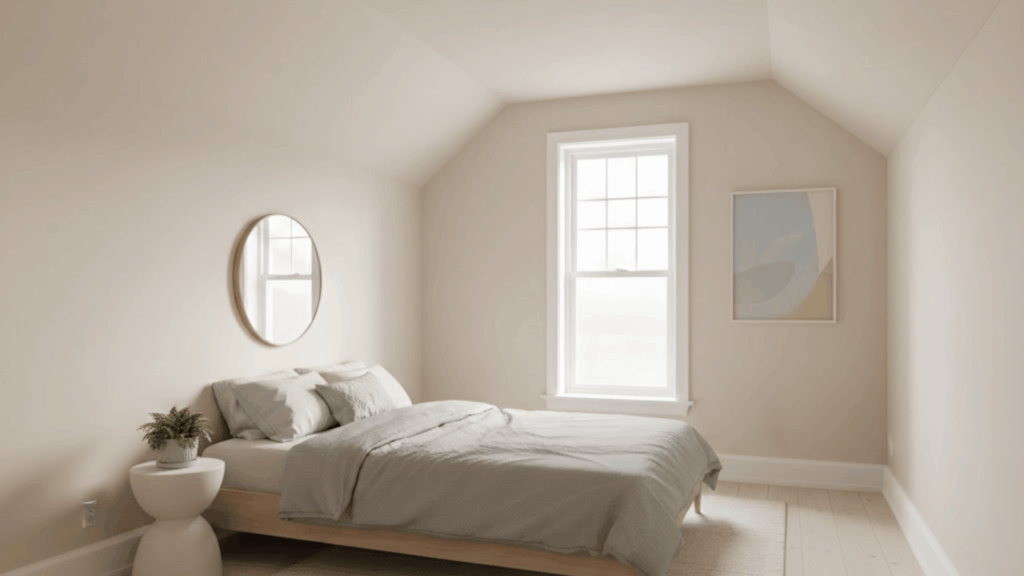
Large blocks of contrasting paint cut your room into smaller pieces visually. Your eye stops at each color change and measures the space. This makes everything feel more cramped and broken up.
Keeping your paint application smooth and continuous helps the space feel open. You want your eye to travel freely without hitting hard stops. Save bold color blocks for rooms where you want a cozier feel.
11. Use an Accent Wall to Create Depth
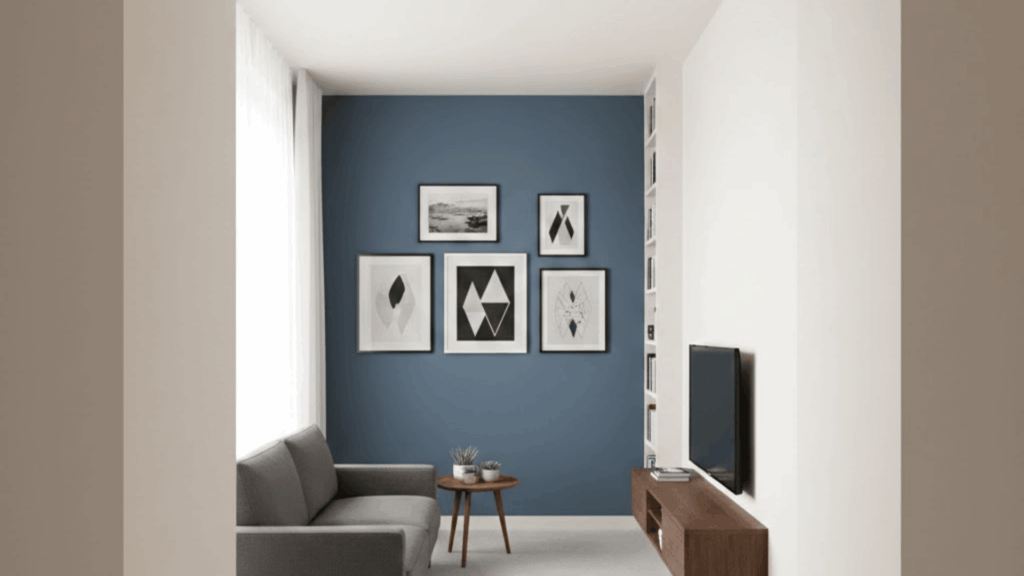
Painting only the wall at the far end guides your eye forward. This adds visual depth and makes your space feel longer. It works best in boxy rooms or narrow areas where the back wall feels close.
Your brain interprets the color change as distance pushing away from you. Just pick the farthest wall and paint it a slightly different shade. You’ll create the impression of more length without changing your room’s actual layout.
How Does Paint Finish Affect Room Size?
I want you to know that sheen matters just as much as the color you pick. The finish you choose changes how light bounces around your space:
- Flat and matte finishes: These absorb light, which can make your walls look softer but also closer to you.
- Eggshell and satin finishes: These reflect just enough light to open up your room without creating harsh glare.
- High gloss on large walls: This can feel overwhelming and make tight spaces look even more cramped and busy.
- Glossy finishes on trim and doors: These work better where you want accent pieces to pop without dominating.
Getting the finish right is just as important as picking the right shade. Now let’s look at which specific colors actually make your room feel bigger.
Best Paint Colors to Make a Room Look Bigger
Now I’m going to show you specific colors that actually work to open up your space. The right shade can make a huge difference in how big your room feels:
1. White and Off-White Paint Colors
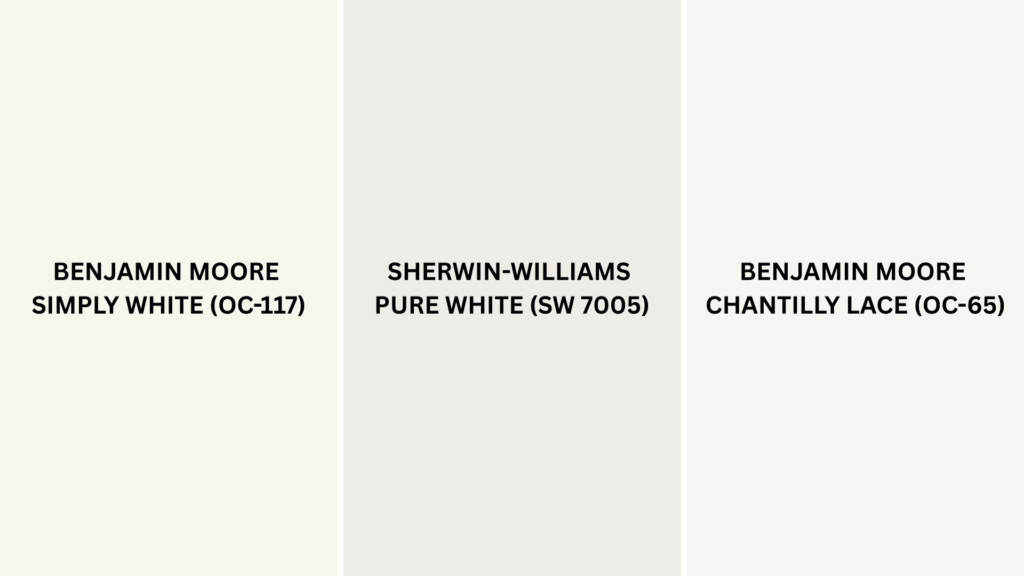
White is the classic choice for making rooms feel larger and more open. It reflects the most light and gives you a clean canvas to work with:
- Benjamin Moore Simply White (OC-117): This warm white has just enough cream to feel inviting without making your walls look yellow or dingy.
- Sherwin-Williams Pure White (SW 7005): This is a true, clean white that works best in rooms with lots of natural light and modern decor.
- Benjamin Moore Chantilly Lace (OC-65): This crisp white stays bright without feeling stark, making it perfect for small spaces that need maximum light reflection.
White paints are your safest bet for opening up tight spaces. Just make sure you test samples in your actual lighting before committing to one.
2. Light Neutral Colors That Open Up a Space
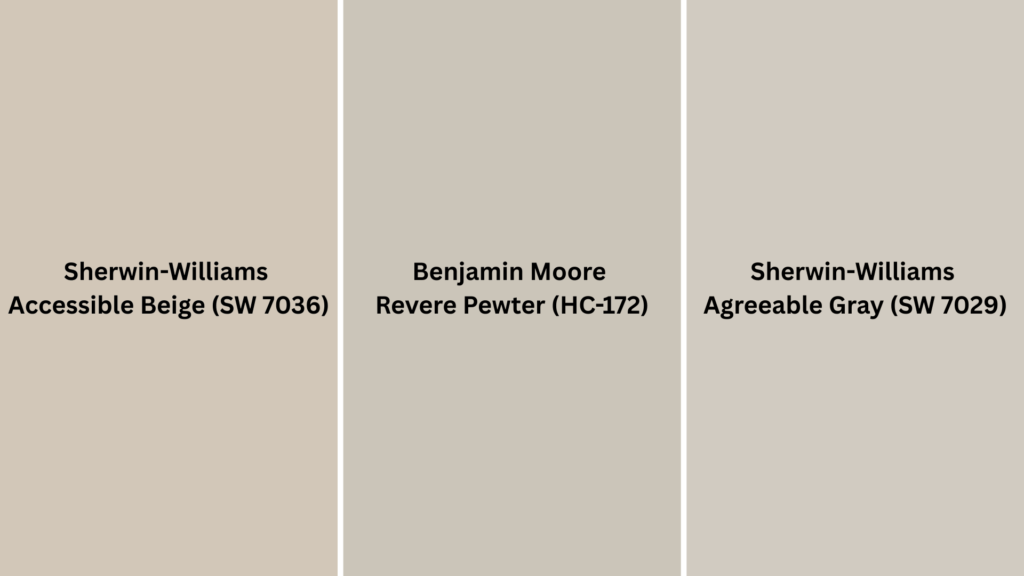
Neutrals give you the space-opening benefits of light colors with more warmth and personality. They’re easier to live with than pure white and still make rooms feel bigger:
- Sherwin-Williams Accessible Beige (SW 7036): This greige has warm undertones that make small rooms feel cozy and open at the same time without looking bland.
- Benjamin Moore Revere Pewter (HC-172): This is a light gray with beige undertones that adapts to your lighting and makes walls feel like they’re receding.
- Sherwin-Williams Agreeable Gray (SW 7029): This warm gray works in almost any room and reflects enough light to keep spaces feeling airy and spacious.
Neutrals are forgiving and work with most furniture styles. They open up your space while giving you more color than plain white.
3. Cool Colors That Create Depth
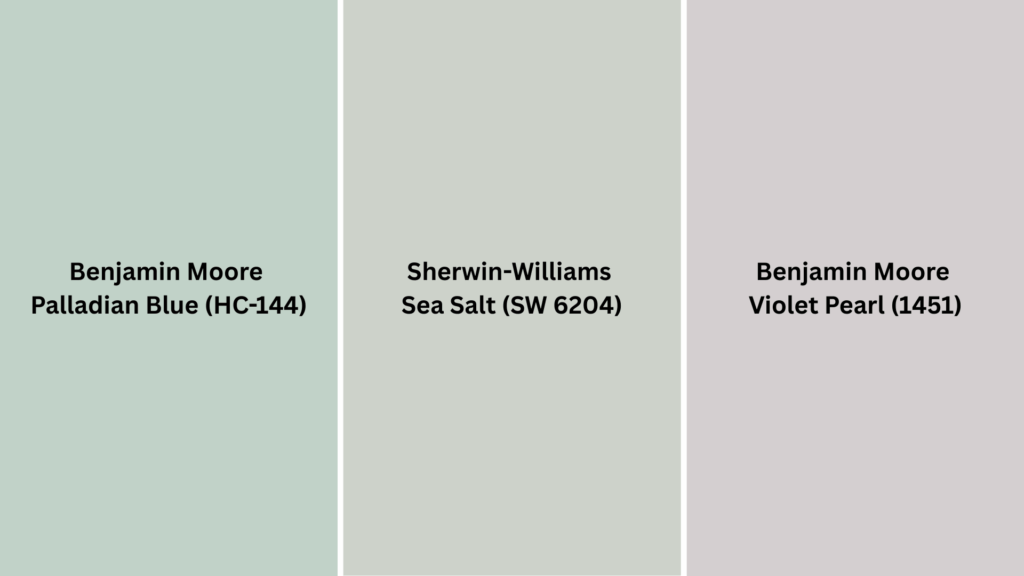
Cool colors naturally make walls look like they’re stepping back from you. They create a sense of depth that warm colors just can’t match:
- Benjamin Moore Palladian Blue (HC-144): This soft blue-green has a calming effect and makes your walls feel farther away than they actually are.
- Sherwin-Williams Sea Salt (SW 6204): This pale green-gray changes with the light and creates the illusion of more space by visually pushing walls back.
- Benjamin Moore Violet Pearl (1451): This pale lavender adds personality while still keeping that airy, receding quality that makes rooms feel more open.
Cool tones work especially well in rooms that get warm afternoon light. They balance the warmth and create a refreshing feeling of spaciousness.
4. Pastel Colors That Still Feel Airy
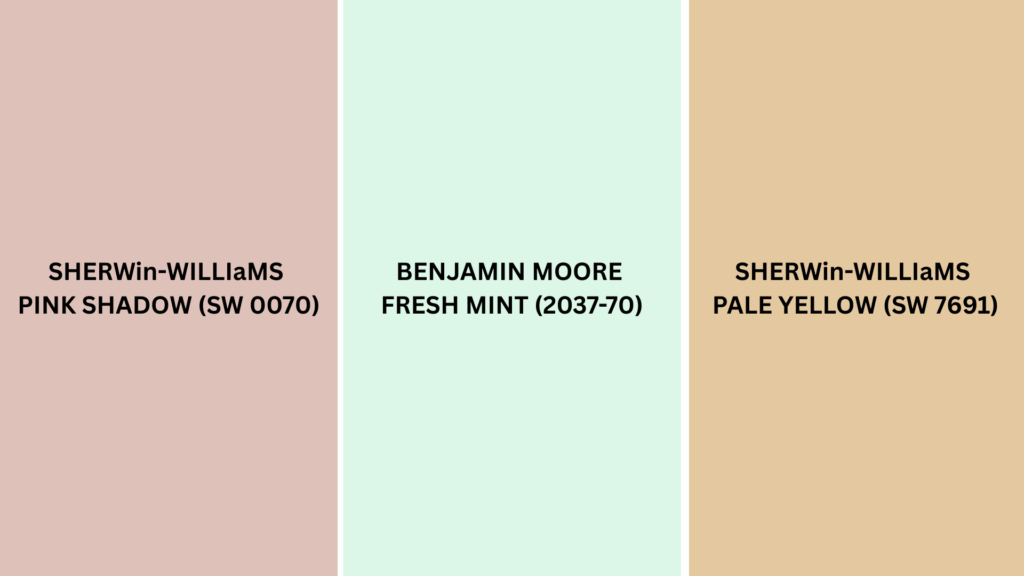
Pastels give you color while keeping that light, open feeling you need. The key is picking shades with enough gray to feel refined instead of nursery-like:
- Sherwin-Williams Pink Shadow (SW 0070): This muted blush has gray undertones that keep it from feeling too sweet while still opening up your space.
- Benjamin Moore Fresh Mint (2037-70): This soft mint green feels clean and airy without looking like a hospital or baby’s room.
- Sherwin-Williams Pale Yellow (SW 7691): This buttery soft yellow reflects tons of light and makes rooms feel sunny and spacious without being too bright.
Pastels work best in rooms with good natural light. They need that brightness to keep them from looking washed out or dull.
Paint Mistakes That Make Rooms Look Smaller
I’m going to walk you through the biggest paint mistakes that shrink your space. Avoiding these will help you keep your room feeling as open as possible:
| Mistake | Why It Shrinks Your Space | What to Do Instead |
|---|---|---|
| Using Too Many Colors | Multiple colors chop up walls into smaller visual sections. | Use one color throughout your space. |
| High Contrast Between Walls and Trim | Sharp borders stop your eye and create visual boundaries. | Paint the trim the same color as the walls. |
| Painting Dark Ceilings | Dark paint pulls ceilings down and closes in the room. | Keep ceilings light or match wall color. |
| Ignoring Natural Light Direction | Wrong colors absorb limited light in dim rooms. | Test paint samples in your actual lighting. |
These mistakes are easy to make but also easy to avoid once you know what to watch for. Now let me show you how to pick the right colors for your specific room.
Final Thoughts
Learning how to make a room look bigger with paint is easier than most people think. You now have all the tricks to open up even the tightest spaces. The color you pick matters just as much as the furniture you buy.
Light shades reflect more and make the walls step back from you. Cool tones create depth that warm colors just can’t match. Finish matters too because sheen changes how light moves around your space.
Avoiding common mistakes like high contrast and dark ceilings keeps things feeling open. Your small room doesn’t have to feel cramped anymore.
Easy rest your worries about tight spaces and grab your paint samples today. Which trick are you going to try first? Drop a comment below.