
Some nights, you wake up tired even after a full night in bed. I used to think it was just stress, but loud snoring and morning headaches made me look closer at how to cure sleep apnea naturally.
If you are trying to avoid machines or you want to support your treatment at home, it helps to know which steps actually matter.
A lot of advice online is random, and it is easy to waste time on changes that do not fit your cause.
Here, I will walk you through quick actions for tonight, the biggest home habits that help most people, and how to track real progress with how to cure sleep apnea naturally.
Quick Steps: What You Can Do Tonight for Sleep Apnea
If you want to try natural steps for sleep apnea, start with simple changes tonight. First, sleep on your side. Use a body pillow, or place a pillow behind your back so you do not roll flat.
If side sleeping is hard, raise your head with a wedge pillow or by lifting the bed frame a few inches. Next, skip alcohol tonight, since it can relax throat muscles and make breathing pauses worse.
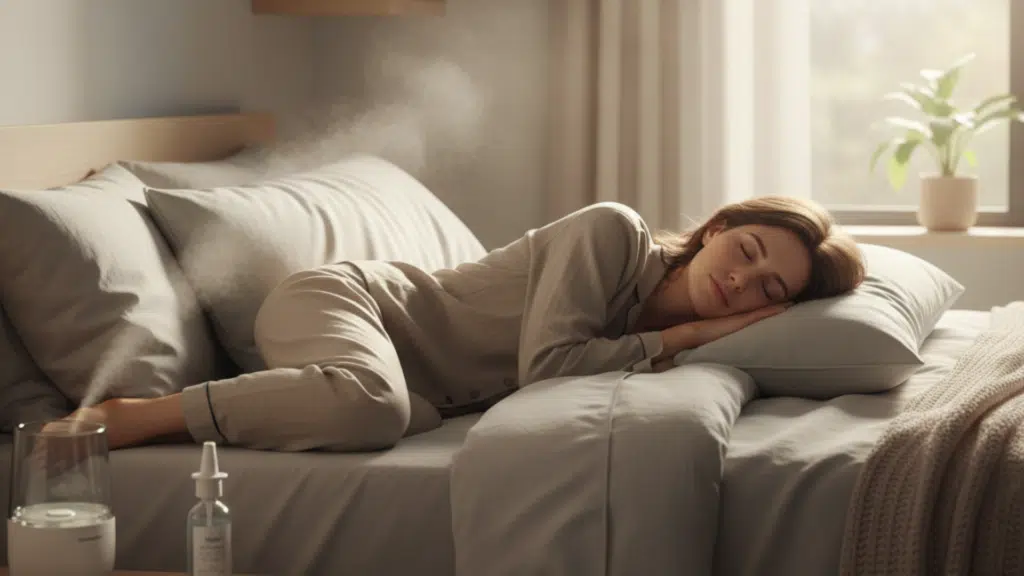
Clear your nose before bed using a warm shower and a saline spray if you get stuffy. If your room feels dry, run a humidifier, but clean it often to avoid mold. If you can, record your sleep audio to compare later.
Can You Cure Sleep Apnea Naturally?
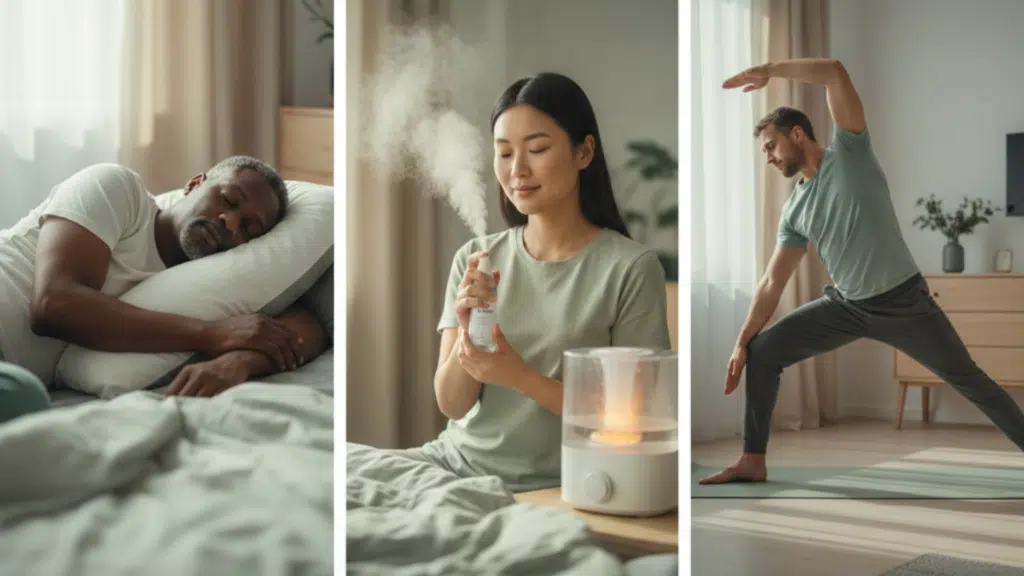
Sometimes symptoms get much better with home changes, but it depends on what is causing your sleep apnea and how serious it is.
Most people who improve a lot at home have obstructive sleep apnea, where soft tissue blocks airflow during sleep.
If extra weight, back sleeping, alcohol, or constant nasal blockage are the main triggers, symptoms may drop when you fix those things. These simple fixes are often considered the best natural remedies for sleep apnea.
Weight loss can help some people enough that breathing pauses become rare, but symptoms can return if the weight comes back. Side sleeping can help when breathing pauses happen, mostly on your back.
Nasal care and a humid bedroom can help if congestion is a big part of the problem. Central sleep apnea is different and usually needs medical care, since it involves brain breathing signals.
If you have loud gasping, severe daytime sleepiness, or heart risks, get tested and do not rely on home care alone.
Know the Type of Sleep Apnea Before You Change Habits
Sleep apnea is not one single problem. Type and severity shape what works at home and what needs medical care.
Obstructive Sleep Apnea (OSA)
Obstructive sleep apnea happens when your airway gets narrowed or blocked during sleep. This is often due to relaxed throat muscles, the tongue falling back, or extra tissue around the neck area.
Snoring is common, and a partner may notice pauses, choking, or gasping. Home steps can help more in OSA than other types.
Side sleeping, weight loss (if needed), avoiding alcohol at night, and reducing nasal blockage can lower symptoms for some people, especially in mild cases.
Central Sleep Apnea (CSA)
Central sleep apnea happens when your brain does not send steady signals to the muscles that control breathing.
So the airway might be open, but breathing still pauses. Snoring may be less obvious, and the pattern can feel like sudden awakenings or shortness of breath. Home-only steps usually do not fix CSA, because the main issue is not airway collapse.
CSA needs a medical evaluation to find causes and the right treatment, especially if heart or medication factors are involved.
Complex Sleep Apnea
Complex sleep apnea is a mix of obstructive and central features. Some people start with obstructive sleep apnea and then show central events during treatment, while others have both patterns from the start.
Symptoms can look like heavy snoring plus repeated pauses that do not fully improve with basic changes. Because two mechanisms may be involved, it often needs careful diagnosis and follow-up.
Home steps can still support better sleep, but they should not replace proper testing and a tailored plan.
What “Severity” Means (Simple Explanation)
Severity is often based on AHI, which means apnea-hypopnea index. It is the average number of times per hour your breathing stops (apnea) or drops a lot (hypopnea) while you sleep.
A higher AHI usually means higher risk and stronger symptoms, but how you feel still matters too.
Severity matters because mild cases may improve with home changes alone, while moderate to severe cases often need medical treatment plus lifestyle support to lower risk and protect your health.
When You Should Not Try DIY Remedies for Sleep Apnea Alone
Home steps can help some people, but certain symptoms raise the risk fast and need medical help, not experiments. Get medical advice soon if you have:
- Falling asleep while driving or at work: This can lead to crashes or injuries and may mean severe sleep disruption.
- High blood pressure, heart disease, and stroke history: Sleep apnea can worsen these problems and raise the risk without proper treatment.
- Loud snoring plus witnessed pauses or gasping: Clear signs of repeated breathing breaks that often need testing and guided care.
- Morning headaches often: This can relate to low oxygen or poor sleep quality and should be checked.
- Waking up choking or panicked regularly: Frequent night breathing scares can signal serious airway blockage or other sleep issues.
Go urgent if: Chest pain, stroke symptoms, or severe breathing trouble. These can be emergencies. Get urgent care right away.
Sleep Apnea Natural Remedies Based on the Cause
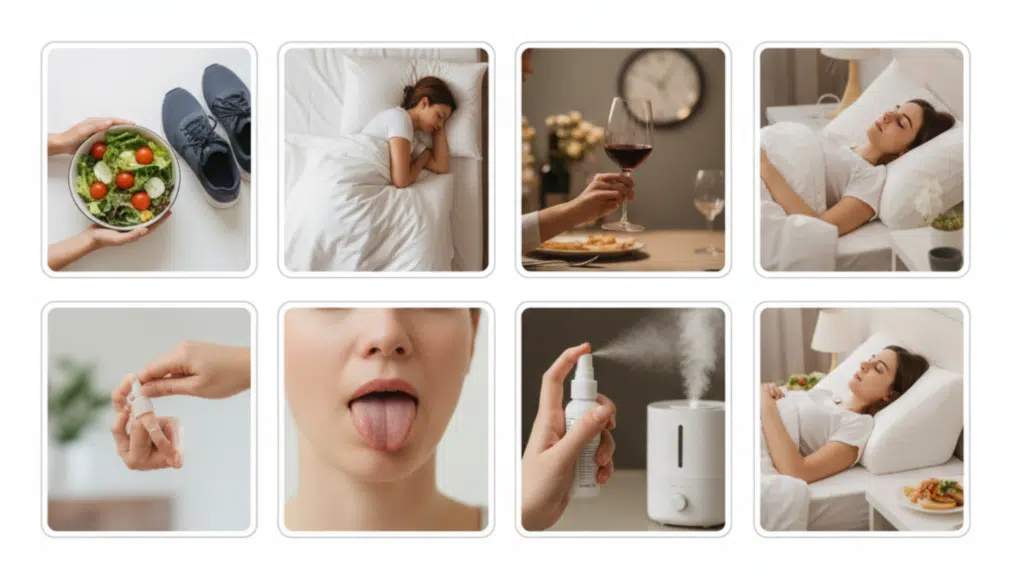
Sleep apnea triggers differ by person. Match your home plan to the most likely driver, so your effort targets the right problem. To achieve success with sleep apnea natural remedies, you must identify your specific cause first.
If Weight Gain is the Main Driver
Weight-related sleep apnea often worsens after a recent gain, especially if your neck size has increased and snoring is louder. You may also feel more tired in the morning and wake up with a dry mouth.
Start with simple calorie awareness, like smaller portions and fewer sugary drinks. Add daily movement you can repeat, such as a steady walk.
Mix cardio with basic strength training, since muscle helps support steady weight loss. Keep a consistent sleep routine, because poor sleep can increase hunger and cravings.
If Back Sleeping is the Main Driver
Some people breathe fine on their side but struggle when they sleep on their back. A partner may notice louder snoring, gasping, or longer pauses when you roll flat.
You might also wake up more often in that position. Focus on side-sleep training first. Use a body pillow to keep your hips and shoulders turned, plus a pillow behind your back so you do not roll over.
If side sleeping is painful or you still have symptoms, try gentle head elevation with a wedge pillow for added support.
If Alcohol or Sedatives are the Main Driver
If your symptoms spike after drinking, that is a strong clue. Alcohol can relax throat muscles and lead to louder snoring, more awakenings, and deeper breathing pauses.
You may notice worse sleep on weekends or after late dinners with drinks. Set an alcohol cut-off time and keep it consistent, then compare your sleep over two weeks.
If you use sleep aids, anxiety meds, or other sedating medicines, do not stop them on your own. Ask a clinician if you suspect they are worsening your breathing.
If Nasal Blockage is the Main Driver
Nasal blockage can push you into mouth breathing, which often leads to a dry mouth, sore throat, and heavy snoring. You may wake up feeling stuffed, especially during allergy seasons, colds, or in a dry room.
Start with a saline spray or a rinse before bed, and use a humidifier if the air is dry. Keep bedding clean and reduce dust if allergies are common for you.
If one-sided blockage or constant congestion never improves, ask about a deviated septum or nasal polyps.
If Tongue Posture / Mouth Breathing is the Main Driver
If you sleep with your mouth open, wake with a dry mouth, or notice a scalloped tongue, airway muscle control may be part of the problem. Mouth breathing can also make snoring worse and reduce sleep quality.
Myofunctional therapy exercises can help strengthen tongue and throat muscles and retrain where your tongue rests. Pair this with nasal breathing training during the day, not just at night.
The goal is steady nasal breathing with lips closed, so the tongue stays up and does not fall back as easily during sleep.
If Reflux (GERD) Might Be a Driver
Reflux can irritate the throat and worsen swelling around the airway. Clues include heartburn, a sour taste in your mouth, chronic throat clearing, or coughing that shows up at night.
Start with head elevation, since lying flat can worsen reflux. Eat an earlier, lighter dinner and avoid heavy, greasy, or spicy foods late.
Watch for trigger foods that reliably cause symptoms, and keep a simple log for one to two weeks. If reflux is frequent, talk with a clinician because ongoing irritation can keep symptoms going.
7-Day Plan for Sleep Apnea (Build Habits That Reduce Events)
Here’s a simple 7-day plan you can follow to build repeatable habits that may reduce breathing pauses and improve sleep quality.
| Day | Main Focus | What To Do (Simple Steps) | What To Track |
|---|---|---|---|
| Day 1 | Baseline + setup | Record sleep audio. Set side-sleep pillows. Prep saline spray. Remove alcohol from bedtime routine. | Snoring volume, awakenings, dry mouth |
| Day 2 | Lock side sleeping | Add a body pillow. Add a back pillow to prevent rolling. Try a wedge if needed. | Side-sleep success rate |
| Day 3 | Nasal support | Warm shower or steam. Saline rinse. Use a humidifier if the air is dry (clean it). | Congestion, mouth breathing |
| Day 4 | Cut key triggers | Stop alcohol at night. Start a smoking cut-down plan if you smoke. Avoid a heavy late dinner. | Night waking count |
| Day 5 | Add daily movement | 20–30 minute walk. Light stretching. Keep bedtime and wake time steady. | Daytime sleepiness |
| Day 6 | Add airway exercises | 5–10 minutes of nasal breathing. Simple tongue and lip exercises. Keep side sleeping. | Morning headache, energy |
| Day 7 | Review + adjust | Compare Day 1 vs Day 7 audio. Keep what helped most. Plan the next 2 weeks. | Overall symptom trend |
Food Choices that May Help
Food choices can support weight control, reduce reflux, and lower irritation that worsens snoring and breathing pauses. There is no single “sleep apnea diet,” but steady eating habits can support better nights.
Try simple patterns:
- Eat more often: vegetables, fruit, beans, whole grains, lean protein, fish, plain yogurt, nuts
- Eat less often: processed meats, sugary drinks, sweets, very greasy foods, heavy, refined snacks
- Timing: keep dinner lighter, and avoid heavy meals close to bedtime if reflux is an issue
If weight is a driver, focus on portions and repeatable meals instead of strict rules.
Exercise that Improves Sleep and Breathing

Exercise supports breathing, weight control, and deeper sleep. Choose simple cardio and strength moves you can repeat most days.
Best Types of Exercise for Sleep Apnea
These are simple exercise types you can rotate through each week. Pick options you can repeat often, not perfect workouts.
- Walking (brisk pace if you can)
- Cycling (outdoor or stationary)
- Swimming or water walking
- Low-impact cardio classes (easy aerobics)
- Stair climbing (slow and steady)
- Strength training (2–3 days weekly)
- Bodyweight squats
- Wall push-ups
- Lunges (or split squats)
- Bent-over rows (bands or light weights)
- Glute bridges
- Planks or dead bug core holds
- Stretching and mobility work (5–10 minutes)
Start small and stay steady. After two weeks, add time or reps, then track sleep, snoring, and morning energy.
Why Yoga Can Help Some People
Yoga can help some people because it mixes movement with steady breathing. Breathing work can train slower, calmer breaths and increase your awareness of nasal breathing.
Some routines also strengthen muscles used for breathing and help improve control around the rib cage and belly.
Yoga may also help reduce stress, which can improve sleep quality and make it easier to stick to a bedtime routine. Keep it basic: gentle stretches, easy poses, and short breathing practice for five to ten minutes each day.
Common Mistakes that Make Natural Plans Fail
- Doing only one change for a few days, then quitting before your body adapts and sleep patterns start to shift.
- Side sleeping setup that still lets you roll onto your back, so symptoms stay almost the same.
- A humidifier used without cleaning can spread mold or bacteria and irritate your nose and throat.
- Relying on supplements while ignoring alcohol, weight, and sleep position, which usually matter far more.
- Using random OTC mouthguards that change your bite or cause jaw pain, making sleep worse over time.
Fix these issues first, then stay consistent for 2 to 4 weeks before judging the results.
When Natural Steps Aren’t Enough for Sleep Apnea
Home changes can help, but some people still need proven treatments to protect their health, reduce risk, and sleep safely.
CPAP (Why It Works and Why People Struggle With It)
CPAP works by pushing a steady flow of air through a mask to keep your airway open all night. It is often the most effective option for moderate to severe obstructive sleep apnea.
Many people struggle at first because the mask feels awkward, air leaks wake them up, or the airflow feels too strong.
Simple fixes include trying different mask shapes, using a humidifier feature to reduce dryness, adjusting straps for leaks, and asking your provider about pressure settings.
Oral Appliance Therapy
Oral appliance therapy uses a fitted mouthpiece that holds your lower jaw or tongue forward to keep the airway open.
It can work well for mild to moderate obstructive sleep apnea, especially if you cannot tolerate CPAP. A dentist trained in sleep appliances can fit and adjust it so it is safer and more effective than random OTC mouthguards.
Some people get jaw soreness or bite changes, so follow-ups matter. It also helps to retest after adjustment.
Surgery or Other Devices
Surgery may be an option when airway blockage is strongly linked to anatomy, such as nasal structure issues, enlarged tissues, or jaw position.
The correct procedure depends on where the blockage happens, the severity, and your overall health.
Some people may qualify for other devices that support airway muscles during sleep, but these also depend on the diagnosis details.
If home steps and standard options are not working, a sleep specialist can guide you toward the safest next choice.
Conclusion
If you want home-based relief, start with the basics that change breathing the most. Side sleeping, cutting alcohol at night, and keeping your nose clear can lower symptoms for many people.
Add steady movement, simple food habits, and mouth and tongue exercises if those drivers fit your signs. I also want you to track results, so you can tell what is working instead of guessing.
If symptoms stay strong or you notice red flags, getting tested is a smart move for safety.
What is the first change you are going to try tonight? If you want more help, check out my other blogs on sleep, breathing, and healthy daily habits.