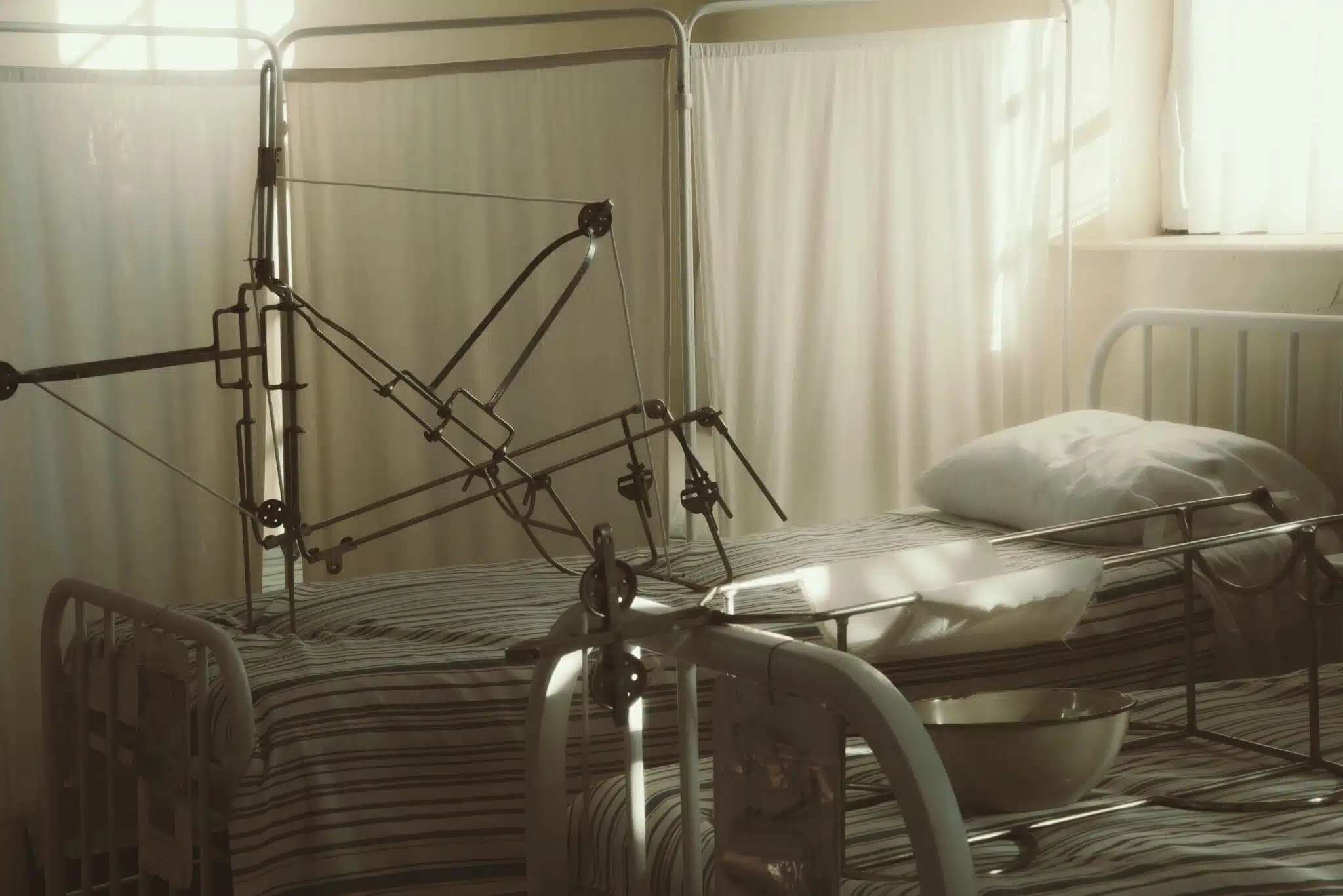
If you or someone close to you has just had foot or ankle surgery, sitting on the couch might not be comfortable. During recovery, bed rest is absolutely critical, but this isn’t just about getting new sheets or pillows.
Many people know about medication, follow-up appointments, and physical therapy, but the actual way you recover is just as important as all of these.
And one major part of this is to think about whether or not you need to look into hospital beds—and which one is right for you. A well-prepared recovery space helps your body heal and makes you feel more relaxed and in control of the process.
Why Does Your Recovery Space Matter?
After a foot or ankle surgery, you will spend a lot of time in bed. During your recovery, it’s important to position yourself correctly to reduce swelling, manage pain, and prevent problems.
The type of bed you use affects two key things: your safety when getting in and out of bed and how well your body heals while resting.
A poorly set-up bed can cause discomfort, make it hard to elevate your foot, and make it hard to get in and out of bed.
However, a well-organized bed gives you the support you need, improves blood circulation, and limits movements that can slow down healing. Comfort is not just about how soft the bed is; it also includes support, easy access, and functionality.
Considerations for Bed Selection
Choosing the right bed is one of the first and most important steps in creating a recovering-friendly setup. No two beds are alike; between brands, styles, elevation, and accessibility, you have many options.
Type of Bed
The type of bed you use greatly affects your comfort and recovery after surgery. Standard flat beds may not be suitable for recovery because they lack the ability to adjust positions, so adjustable beds or hospital beds are usually better options. They let you raise your head, legs, or both easily.
This is an essential feature if you need to keep your foot elevated above heart level after surgery. With a simple push of a button, you can change your position without needing extra pillows or help from someone else.
If you don’t have a hospital bed, you may be able to alter an existing bed with the right exercises; you’ll need to ensure that your bed is stable, though.
Height and Accessibility
Bed height is another important factor that impacts both comfort and safety. A bed that is too high can make it difficult to get in and out without putting strain on your injured foot, while a bed that is too low may require extra effort and cause strain.
The ideal setup lets you sit on the edge of the bed with your feet comfortably on the floor, making it easier to stand up while maintaining your balance.
At all times, you’ll want to prioritize accessibility. Make sure you keep things you use often, such as water, medication, your phone, and remote controls, within arm’s reach. This way, you can save yourself unnecessary movement and stay comfortable while you recover.
Positioning and Elevation
Proper positioning is important for reducing swelling, enhancing circulation, and protecting your surgical site during recovery. Whether your surgery was minor or major, your positioning and elevation during rest are absolutely critical.
Recommended Positioning Techniques
Proper positioning is one of the most important aspects of post-surgery care. Foot and ankle specialists often recommend elevating your affected foot above heart level, especially during the first few days after surgery. This simple technique can help reduce swelling and improve blood flow.
To stay comfortable, lie on your back with your leg supported to keep it straight, and avoid resting on your heel for an extended period. You’ll also want to make small adjustments throughout the day to prevent stiffness, but always follow your doctor’s advice regarding movement.
Use of Pillows and Wedges
Supportive accessories like pillows and wedges can help you maintain proper elevation if an adjustable bed is not available. Try using firm pillows under your legs for a bit of extra support, and foam wedges are particularly useful because they maintain their shape and provide consistent support.
Avoid using too many soft pillows, as they can shift around while you sleep and make it harder to keep your leg elevated. Instead, go for structured supports that will help keep your leg stable.
You might also find it comfortable to place a small pillow under your knee, but be sure not to bend your leg too much unless your doctor advises it.
Creating a Healing Environment
Your surroundings can influence both your physical recovery and mental well-being. So, creating a calm and supportive healing environment is extremely important for your recovery.
Lighting and Atmosphere
A comfortable atmosphere with good lighting can help you relax and get better rest during recovery, as it reduces stress and aids healing. Soft lighting is especially helpful if you will be in bed for long periods, so avoid harsh overhead lights and use bedside lamps or dimmable lights instead. Natural light during the day can also help boost your mood and help regulate your sleep cycle.
Minimizing Distractions and Noise
A quiet environment is as important as physical comfort for proper rest and recovery. If your surroundings are noisy or distracting, it can be difficult to rest. Consider using earplugs, white noise machines, or calming music to help soothe your mind. Limiting screen time, especially before bed, can also improve your sleep quality. If you share your living space with others, communicate your needs clearly so they understand how much a quiet and supportive environment matters during your recovery.
The Benefits of Consulting a Health Professional
Getting professional help is important for setting up your bed and creating a recovery plan that fits your needs, which will improve your well-being and performance.
Custom Recommendations
Personalized advice from a specialist can help you avoid mistakes and support a smoother recovery. Every surgery and recovery process is different, which is why it’s important to seek personalized advice.
A foot and ankle specialist can provide specific recommendations based on your individual condition, the procedure you had, and your overall health.
They can advise you on the best bed setup, proper positioning techniques, and any precautions you should take. For example, some patients may need to avoid certain positions or use specialized supports to protect the surgical area. Working with a professional makes sure that your recovery plan is customized to your specific needs rather than relying on general advice.
Additional Accessories
In addition to your bed, certain accessories can improve your overall comfort and convenience.
Items such as bedside tables and overbed trays help you keep important items within reach, so you don’t have to move around more than necessary. For mobility, you can look into supportive rails or handles so you can adjust your position much more easily.
Your healthcare provider may also recommend compression devices or supports. These small additions can significantly enhance your daily routine and help you stay independent while reducing strain. Together, all of these additional accessories can make your recovery easier and less stressful.
Supporting Your Recovery Journey
Recovering from foot or ankle surgery requires more than just medical care. It requires a supportive environment that encourages healing.
By selecting the right bed setup, whether using a hospital bed or making adjustments to your current bed, you can improve your comfort and recovery experience.
With the right approach, your bed becomes more than just a place to rest—it becomes a key part of your healing journey.