
Sleep apnea can feel frightening, especially when you hear that breathing can stop during sleep. If you’re dealing with loud snoring, rough mornings, or daytime tiredness that won’t go away, it’s normal to worry about how fast can sleep apnea kill you.
In this blog, I’ll break it down in simple words. You’ll learn why sleep apnea becomes dangerous over time, what makes it more risky, and which warning signs you shouldn’t ignore.
I’ll also cover the most common treatments and how they can lower the chance of serious problems like heart trouble and stroke.
By the end, you’ll have a clearer picture of what’s going on and what you can do next.
Why Sleep Apnea Becomes Dangerous Over Time
Sleep apnea causes repeated pauses in breathing. These pauses may happen dozens of times every hour, night after night. Each pause can last long enough to interrupt deep sleep and strain the body.
- Oxygen levels drop, which means organs like the heart and brain get less oxygen than they need
- The body releases stress hormones like adrenaline, which keep the body in “alert mode” while it should be resting
- Blood pressure rises during the night and can stay high during the day over time
- The heart has to work harder to push blood through narrowed blood vessels and handle sudden oxygen changes
- Sleep is broken again and again, leading to daytime tiredness, slower thinking, and higher accident risk
This cycle repeats for months or years if sleep apnea is not treated, and the long-term stress can raise the risk of serious heart and blood vessel problems.
How Fast Can Sleep Apnea Kill You?
In most cases, sleep apnea does not cause instant death. It is very rare for someone to stop breathing long enough to suffocate during sleep.
However, sleep apnea can become dangerous faster than many people think when it is severe and not treated. Breathing pauses can lower oxygen levels again and again, which puts extra stress on the heart.
Over time, this can raise the risk of serious heart problems during sleep. The risk of sudden heart-related events may be higher during the late-night and early-morning hours.
So even though it usually does not kill overnight, the risk can grow quietly if treatment is delayed.
Why Sleep Apnea is Often Called a ‘Silent Killer’?
Sleep apnea is often called a “silent killer” because it can harm the body for a long time without clear warning signs.
It does not always cause pain, and many people do not know they have it because the main symptoms happen during sleep. Snoring is often ignored, and daytime tiredness can feel normal, so the problem gets missed.
The most important part is this: even if symptoms seem mild, repeated oxygen drops and broken sleep can slowly strain the heart and blood vessels over time. That quiet damage is why untreated sleep apnea can become a serious health risk.
How Long Does It Take for Sleep Apnea to Become Life-Threatening?
There is no exact timeline for when sleep apnea becomes life-threatening, but the risk can increase faster in certain people, especially when the condition is severe and left untreated.
The speed at which danger develops depends on how often breathing stops, how low oxygen levels drop, and a person’s overall health.
- Months: In people with severe sleep apnea, especially those who already have heart disease or high blood pressure, serious complications can begin in just a few months. Frequent oxygen drops place a heavy strain on the heart and blood vessels very quickly.
- A few years: In untreated moderate sleep apnea, the damage usually builds over several years. Ongoing stress on the heart can slowly raise the risk of heart attack, stroke, and irregular heart rhythms.
- Long-term: In mild cases that are ignored, problems may take longer to appear, but the risk still grows over time as nightly sleep disruption continues.
The more severe the breathing pauses and oxygen drops, the faster the danger grows.
What Makes Sleep Apnea More Dangerous?

One of the biggest factors is how severe sleep apnea is, which is measured by how many breathing pauses happen each hour during sleep.
| Severity Level | Breathing Pauses Per Hour | Risk Level |
|---|---|---|
| Mild | 5–14 | Lower but still important |
| Moderate | 15–30 | Clear health risk |
| Severe | 30+ | High risk of serious problems |
In general, the more breathing pauses and oxygen drops that happen each night, the more strain the heart and blood vessels face, and the higher the risk of serious health problems over time.
Health Conditions That Raise Risk
Sleep apnea becomes more dangerous when combined with other health conditions, especially those that already affect the heart and blood vessels.
- Heart disease, which makes the heart more sensitive to drops
- High blood pressure that becomes harder to control
- Diabetes, which is linked to poor blood sugar control and inflammation
- Obesity, which can worsen airway blockage during sleep
- Smoking irritates and narrows the airways
- Heavy alcohol use, which relaxes throat muscles and increases breathing pauses
These conditions increase the chance of a heart attack or stroke when sleep apnea is left untreated.
Can Mild or Moderate Sleep Apnea Kill You?
- Mild: Mild sleep apnea rarely causes immediate danger, but it can still disturb sleep and slowly add stress to the body over time.
- Moderate: Moderate sleep apnea is more concerning because repeated breathing pauses can raise blood pressure and increase the risk of heart problems.
- Severe: Severe sleep apnea has the highest risk if it is not treated, since oxygen levels may drop often, and the heart has to work much harder at night.
- Even mild cases: Even mild sleep apnea should be monitored, especially if snoring, daytime tiredness, or breathing pauses worsen.
Warning Signs Sleep Apnea is Becoming Serious
These warning signs can help show when sleep apnea may be moving from “annoying” to truly serious, so it helps to watch for patterns that keep happening.
| Warning Sign | What It Can Mean |
|---|---|
| Loud, ongoing snoring | The airway may be partly blocked during sleep |
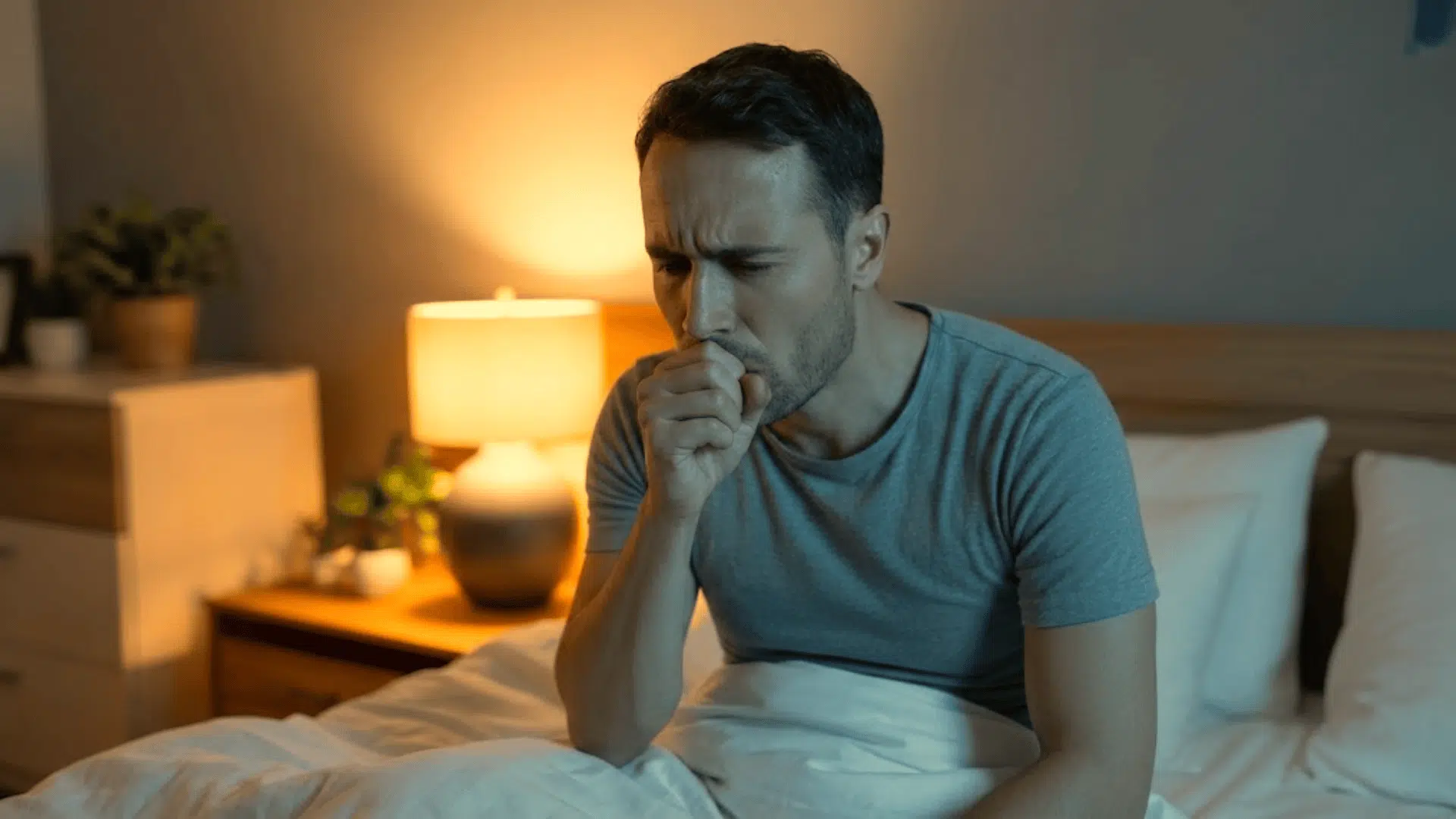
| Gasping or choking during sleep | Breathing pauses may be frequent or longer |
| Morning headaches | Oxygen drops and poor sleep quality overnight |
| High blood pressure that is hard to control | Ongoing strain on the heart and blood vessels |
| Extreme daytime sleepiness | Sleep is being interrupted again and again |
| Trouble focusing or remembering | The brain is not getting enough restful sleep |
| Chest discomfort at night | Possible stress on the heart during sleep |
If these signs are showing up often, it is a strong signal to seek medical help and get tested, because early treatment can greatly lower long-term risk.
Common Treatments for Sleep Apnea
The right treatment helps keep breathing steady at night, protects the heart, and lowers long-term health risks.
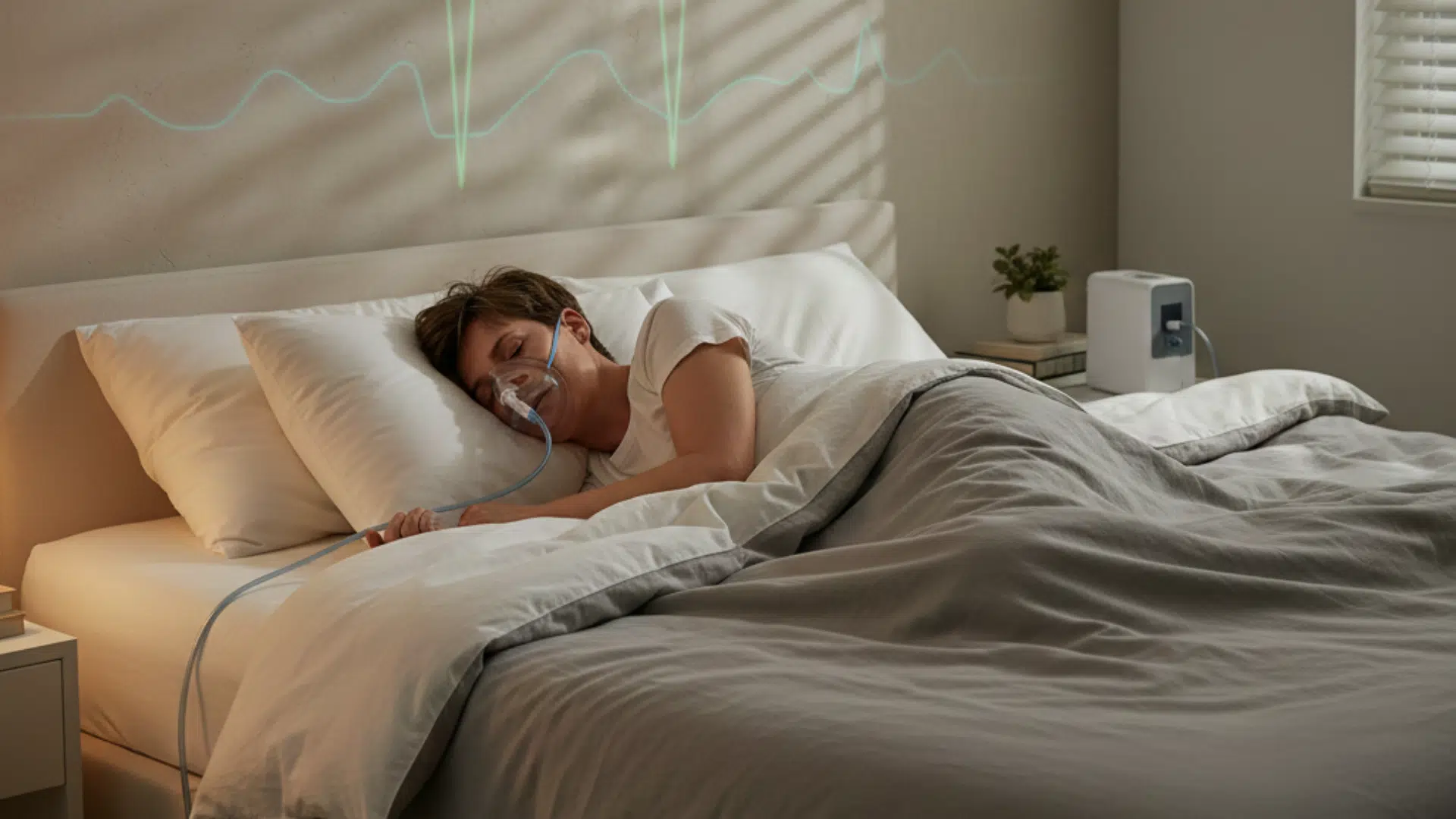
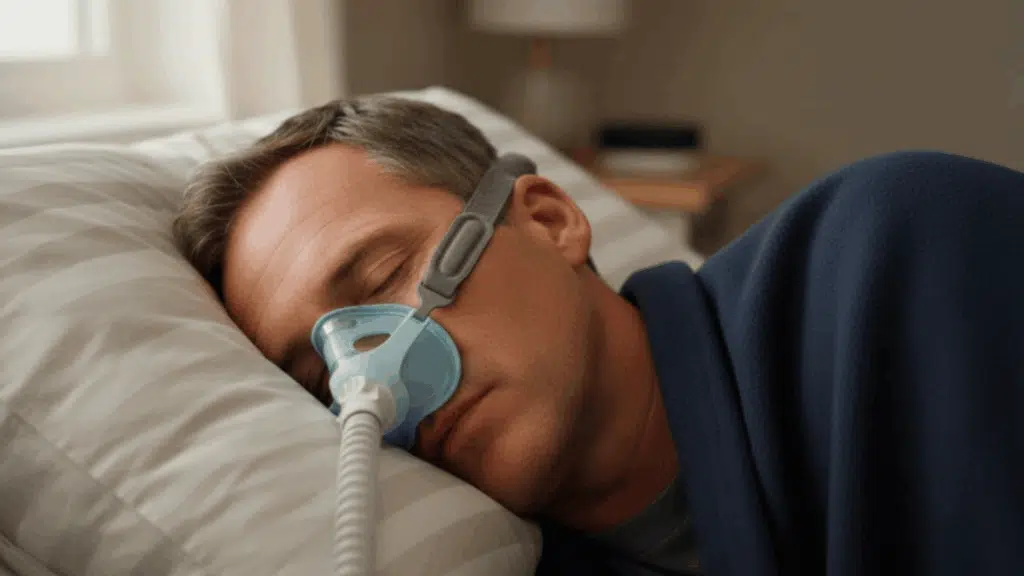
- CPAP therapy: The most common treatment. A CPAP machine pushes steady air through a mask to keep the airway open, prevent breathing pauses, and lower strain on the heart and blood pressure.
- Oral appliances: Custom mouthpieces for mild to moderate sleep apnea. They move the jaw forward slightly to help keep the airway open and can be easier to use when CPAP is not a good fit.
- Weight management: Reducing extra weight can take pressure off the airway and lessen symptoms, sometimes even with small changes.
- Avoiding alcohol and sedatives at night: These relax throat muscles and can worsen breathing pauses, so limiting them helps keep breathing steadier.
With consistent treatment, many people sleep better, feel more awake during the day, and protect long-term health.
Should Someone With Sleep Apnea Be Worried?
Sleep apnea is serious, but it is manageable, and many people do very well once it is treated.
The real danger comes from ignoring symptoms or putting off care for too long. With proper treatment, oxygen levels stay more stable during sleep, which takes pressure off the heart and blood vessels. Sleep becomes less interrupted, so daytime energy and focus often improve too.
Most importantly, consistent care can sharply lower long-term risks like high blood pressure, heart problems, stroke, and accidents caused by extreme sleepiness.
Final Thoughts
Sleep apnea can feel confusing because the biggest signs happen while you’re asleep. That’s why it helps to know what the risks are and what to watch for.
I covered how repeated breathing pauses can stress your heart, raise blood pressure, and increase long-term health risks if treatment is delayed. I also shared warning signs and the most common treatment options, so you can understand what steps may help.
If your main question was how fast can sleep apnea kill you, the takeaway is that it usually isn’t instant, but ignoring it can raise the chances of serious problems over time.
If you’re concerned about your symptoms, talking with a doctor is a smart next step. For more support, check out my other blogs on the website.