
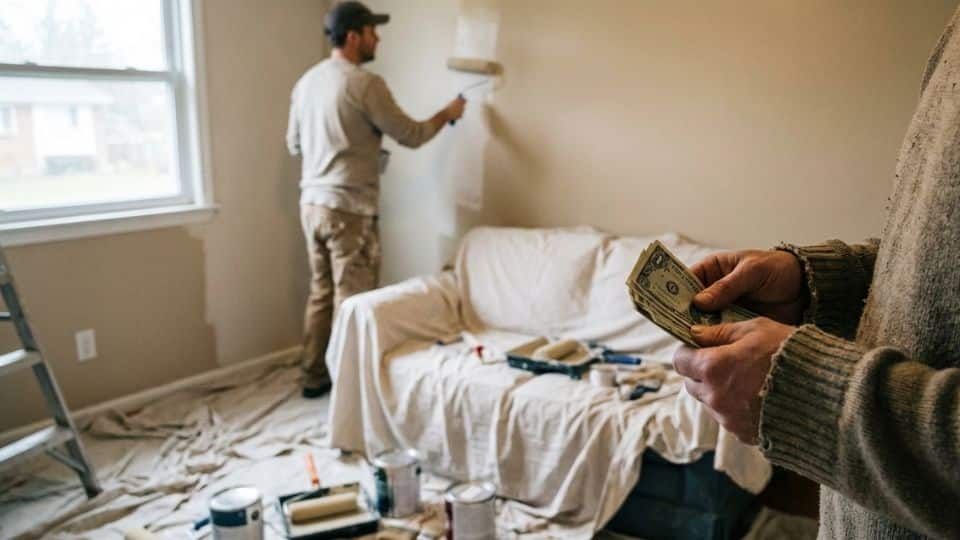
A new coat of paint can change how a space feels, but understanding ‘how much does a handyman charge to paint a room’ can be confusing.
You may hear different prices from different people, and none seem to match. Knowing how pricing works helps you plan better, avoid surprise costs, and decide who to hire with confidence.
In this blog, I break down real cost ranges, explain how handymen price their work, and share simple ways to get clear quotes.
By the end, you will know how much a handyman charges to paint a room and what affects that number in real situations.
Average Cost to Have a Handyman Paint a Room
The average cost to have a handyman paint a room usually falls between $200 and $2,000+, depending on size and included work.
For walls only, many handymen charge $1.50 to $4 per square foot. When ceilings, trim, or doors are included, rates often rise to $2 to $6 per square foot.
A small bedroom often costs $200 to $600, while a medium-sized room typically ranges from $400 to $1,200.
Larger bedrooms or living rooms usually cost between $800 and $2,000 or more. These prices assume standard ceiling height and basic surface condition.
Extra repairs, primer, detailed trim work, or additional coats will increase the final cost.
How Much Does a Handyman Charge to Paint a Room by Hourly Rate
Hourly pricing is common for single rooms, touch-ups, or jobs where the exact work is hard to define upfront.
| Topic | Typical Range | What It Means |
|---|---|---|
| Hourly rate (U.S.) | $45–$125 per hour (most $60–$75) | Flexible pricing for small jobs |
| One room, walls only | 4–8 hours | Standard bedroom timeframe |
| Walls plus ceiling/trim | 8–16 hours | More setup and detail work |
| Large living room | 1–2 days | Larger wall area and edges |
Hourly pricing works best when prep needs or job scope are unclear, since time can change based on wall condition and add-ons.
Flat-Rate Pricing
Some handymen offer flat-rate pricing for standard rooms with clear scopes. Flat rates usually range from $300 to $1,200 per room. This option is common for bedrooms, offices, or similar spaces in good condition.
Flat pricing often includes two coats of paint, basic surface prep such as filling nail holes, and standard supplies like tape and rollers. It usually assumes normal ceiling height and minimal repairs.
Paint, ceilings, trim, doors, primer, or heavy wall repairs may cost extra unless listed clearly. Flat rates work best when the room condition is known upfront, and no changes are expected during the job.
Factors that Affect the Cost to Paint a Room
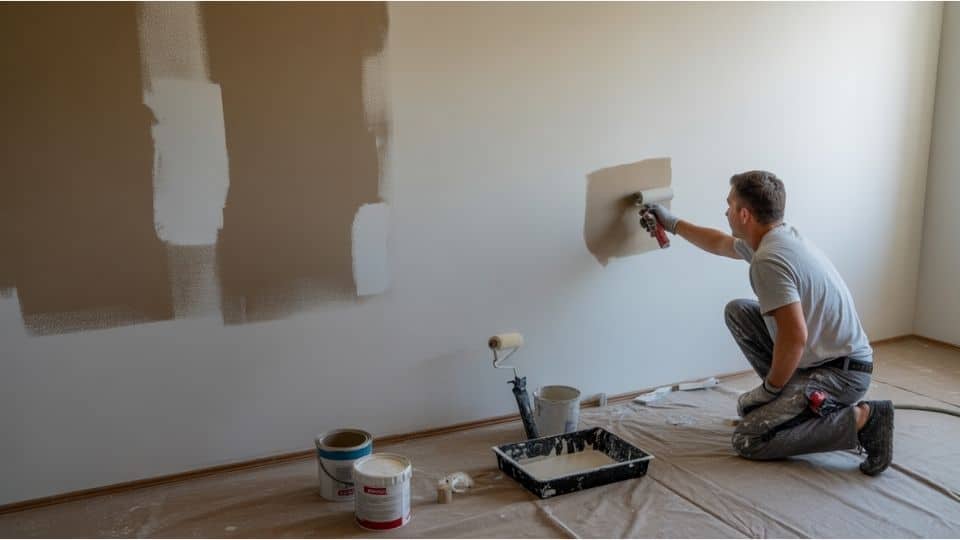
The points below explain the main factors that affect the quote, so you can understand what’s driving the price and avoid surprise add-ons.
1. Room size and Ceiling Height
Bigger rooms cost more because there is more wall area to cover and more cutting-in along corners. Ceiling height also matters since taller walls take longer and often require ladders.
Rooms with sloped or vaulted ceilings can increase labor time even when the floor area is the same. More wall area usually means more paint, more prep, and more time, which pushes the overall quote higher.
2. Prep Work
Prep work can change the total more than many people expect. Filling holes, fixing cracks, sanding rough areas, and cleaning dirty walls all take time before painting begins.
If old paint is peeling or there are stain spots, primer may be needed. Furniture moving, floor covering, and tape around trim also add labor. The more prep the room needs, the higher the final quote.
3. Paint and Materials
Paint costs vary by brand, coverage, and finish. Higher-grade paint often costs more but covers better and may reduce extra coats.
Dark colors, reds, and major color changes can require primer and additional coats, which add labor and materials. Some handymen include basic supplies like tape and roller covers, while others charge separately.
Always confirm who is buying the paint and which grade is included.
4. Trim, Doors, and Accent Walls
Adding trim, doors, or an accent wall increases labor because detailed work takes longer than rolling large wall sections. Trim and baseboards require careful cutting-in and may need sanding or patching first.
Doors often need masking around hinges and knobs, and may take longer to dry. Accent walls with a second color add extra setup, clean lines, and sometimes an extra coat, raising the price.
Cost to Paint a Room Based on the Room Type

Type affects pricing because each space has a different wall area, obstacles, and prep needs. The sections below give quick cost ranges by room type, plus what usually pushes the price higher in each case.
Bedroom: $200–$1,200 based on size, ceiling height, and prep; adding ceiling/trim/closet doors, plus furniture moving and covering, increases labor time.
Living room: $400–$2,500+, due to more wall space and windows; trim, built-ins, multiple colors, tall ceilings, and open layouts/hall connections can quickly expand the scope.
Bathroom: $150–$600 for walls only; tight spaces need heavy masking, and moisture spots or stains may need primer with a longerdry time due to ventilation.
Kitchen: $300–$1,500+ because cabinets, backsplashes, and appliances slow work; grease often needs cleaning/primer, and cabinet painting adds time for detail and drying.
Small vs large rooms: Small rooms cost less, but setup time is often similar; large rooms raise paint use, labor hours, and edge work, and higher ceilings push costs up further
Handyman vs. Professional Painter: Decide the One for You
Both a handyman and a professional can paint any room. The right choice varies by job size, wall condition, and finish level.
Understanding who to choose can help you control costs and avoid paying extra for work you might not need.
| Factor | Handyman | Professional Painter |
|---|---|---|
| Hourly Rate | $50–$80 | $25–$100 (varies by experience) |
| Per Square Foot | N/A (usually hourly) | $2–$6 |
| Full Interior Job | $1,500–$2,000 | $2,500–$4,000+ |
| Skill Level | General, basic painting | Specialized, high-quality finish |
| Best For | Small jobs, touch-ups | Whole rooms, detailed work |
| Finish Quality | Good enough | Professional-grade |
Compare scope and pricing to choose what fits your needs without overpaying.
Additional Costs to Watch For
Even when the estimate seems “affordable,” extra fees can raise the total. Some handymen charge for travel or a minimum service fee of $50 to $100, especially for small jobs or distant locations.
Basic cleanup may be included, but deep cleaning, floor scrubbing, or moving old cans can raise the cost from $50 to $150.
Moving heavy furniture like bed dressers can add $25 to $75 or more in labor charges. If you do it all by yourself, you can save money and speed up the job.
Rush or same-day pricing adds a 20% to 50% premium, since handymen adjust their schedules or work outside work hours. Always ask upfront about these charges beforehand and confirm whats included.
How to Get an Accurate Painting Quote
Getting an accurate painting quote starts with clear details. Vague requests often lead to unclear pricing or extra charges later. The more specific you are, the easier it is for a handyman to price the job correctly.
Ask about:
- How many coats are included
- What prep work is covered
- Which surfaces will be painted
- What cleanup is part of the job
Provide:
- Room length, width, and ceiling height
- Wall condition, including cracks or stains
- Color changes, especially from dark to light
Request 2–3 quotes using the same details. This makes comparisons fair and helps you avoid surprises once work begins.
Ways to Lower the Cost of Painting a Room
Planning ahead and handling small tasks yourself can reduce labor hours and lower the total cost without affecting results.
- Handle basic prep before the painter arrives to reduce labor time.
- Move furniture out of the room ahead of scheduling.
- Purchase paint during store sales to lower material costs.
- Book during slower seasons for better availability and pricing.
- Combine multiple rooms to reduce setup and cleanup time.
These steps help limit extra charges and keep your painting project within budget.
Red Flags When Hiring a Handyman for Painting
Not every handyman might be worth hiring. Some signs can be a problem later- sloppy work, surprise charges, or jobs that go on forever.
Spotting them early can help you avoid disputes over results or pricing. Here’s what to look for:
- Prices that seem too low: A quote far below others may skip prep, use low-quality paint, or assume fewer coats, leading to poor results or added charges later.
- No written estimate: Without pricing and scope in writing, details can change, and final costs may rise.
- No references or photos: A lack of past work makes quality hard to judge and increases risk.
- Unclear scope of work: Vague details on coats, prep, surfaces, or cleanup often result in surprise add-ons.
Is Hiring a Handyman to Paint a Room Worth It?
Hiring a handyman can be a smart choice for some rooms, but not for every project. A handyman is a good option for small to medium paint jobs where you want to save time and avoid the physical work.
They often bring basic tools, handle cleanup, and can also tackle minor fixes in the same visit. The downside is that results can vary based on experience, and detailed work may not look as sharp.
This option suits homeowners with busy schedules, moderate budgets, or limits that make painting difficult.
DIY makes sense if you have time and basic skills, especially for small areas. A professional painter is better for high ceilings, heavy repairs, detailed trim, or multiple rooms.
Key Takeaways
Now you have a clear idea of how much a handyman charges to paint a room and what actually affects the final price.
Knowing the cost ranges, pricing methods, and common add-ons helps you plan better and avoid last-minute charges.
You can use this information to measure your room, list needed repairs, and ask smarter questions before booking.
One small tip to remember is that clear details upfront often lead to more accurate quotes and smoother work.
If you want to keep planning your home projects with confidence, check out other helpful blogs that break costs down in the same simple way.