
If you have ever checked on a parent after a missed call, you know the worry that keeps following you around. Most families want a plan that keeps independence intact while still creating a fast path to help, which is where options like a lifeline medical alert system can fit in.
Medical alert systems are simple in concept. A person presses a button, or the device detects a hard fall, and help is contacted right away. That’s perfect, because emergencies rarely arrive on schedule. A slip in the bathroom or chest pain while taking out the trash can turn into a long wait if a phone is out of reach.
Aging at Home is the Goal
Sense of control is a big reason many older adults prioritize staying put. In a national survey, 75% of adults age 50 and older said they want to live in their current home as long as possible, even as many acknowledge that moving may eventually happen.
A medical alert system does not replace family or professional care, but it fills the gap between something going wrong and someone being there to help.
The Biggest Risk is Common
When people think about home safety, they often picture extreme situations. The reality is more ordinary, and that is exactly why it is dangerous. Falls are the clearest example. More than one out of four adults age 65 and older falls each year, and there are about 3 million emergency department visits related to older adult falls annually.
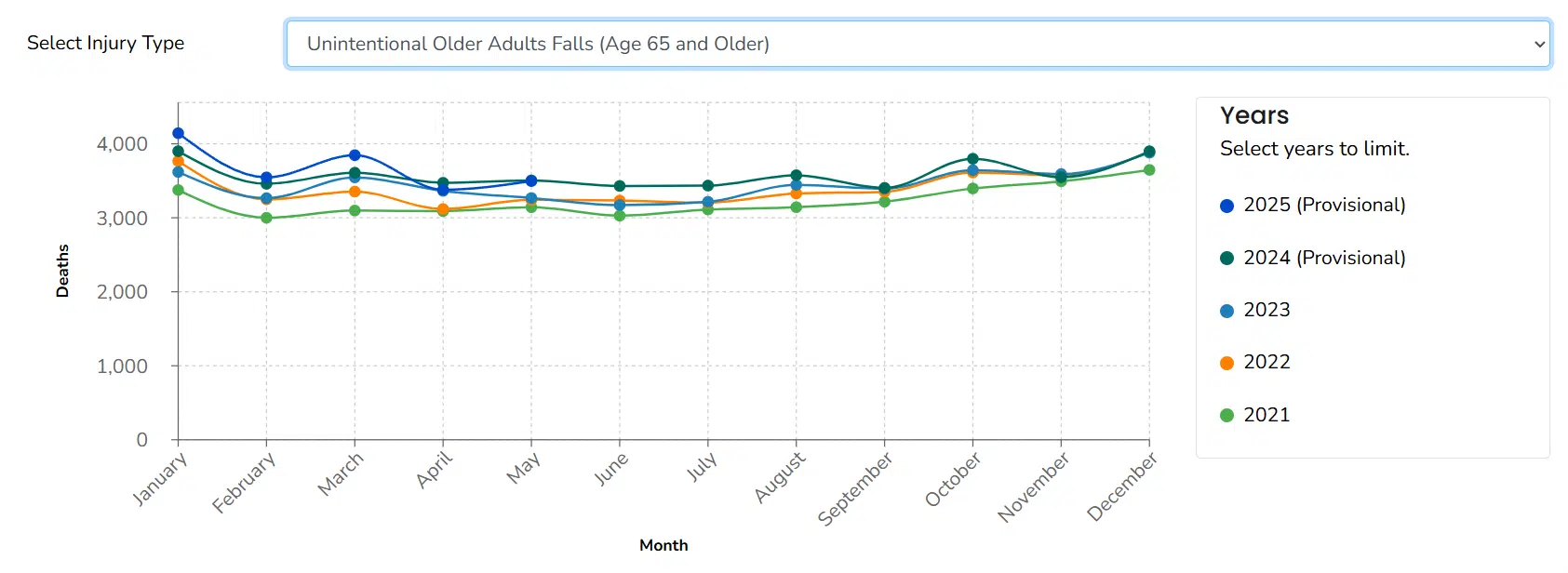
[Source: CDC]
If someone is on the floor, alone, and unable to reach a phone, the situation can escalate fast through dehydration, exposure, pain, or panic. This is the scenario medical alert systems are built for.
How Medical Alert Systems Work
Most systems include three parts:
- Wearable help button
- Way to connect
- Response path
If the button is pressed, the device connects to a response center or designated contacts. That’s it.
Features that Improve Safety
Medical alert systems vary, but the features that matter tend to be the same:
- Some devices can automatically trigger an alert if a fall is detected. This can help in situations where a person is unconscious, disoriented, or unable to press the button.
- If a person can speak with a responder immediately, the next steps are clearer. It also reduces fear, which is a practical benefit when someone is in pain or confused.
- For seniors who walk the dog or run errands, GPS and cellular connectivity can extend coverage beyond the house.
- A device that is always almost dead is not a safety tool. Look for realistic battery life and a charging method that matches the person’s routine.
- Many systems can notify a family member or neighbor after an alert. That keeps the circle informed without forcing the senior to manage updates in a crisis.
Medical Alert Systems and Wellness Planning
Safety is part of how an elderly person maintains confidence and keeps social habits. A good setup supports wellness and lifestyle because it reduces the tension that can shrink a senior’s world.
A senior who feels protected is more likely to take a short walk or visit friends. That movement and social contact can be the difference between doing fine and starting to withdraw.
Build a complete at-home safety net
A medical alert system is strongest when paired with a few home and health basics.
- Start with high-slip zones. Add grab bars where they are needed and remove throw rugs that slide.
- Make sure key medical information is easy to find. A current medication list and emergency contacts should be available in a consistent spot.
- Talk about fall risk. Ask about recent dizziness or changes in vision. Many falls come from a combination of small factors.
- Do a practice run. Test the device and walk through what happens after pressing the button. Seniors should know what the responder will ask and what to say first.
Choosing the right system for one specific person
The best medical alert system is the one the person will actually wear. Answer these three questions:
- Where does the person spend most of their time?
- What is the most likely emergency?
- What is the realistic daily routine?
It also helps to decide what kind of response makes sense. Some families prefer professional monitoring for 24/7 coverage. Others want an alert to reach the family first. The right choice depends on availability and how quickly someone can physically get to the home.
Cost and context
Families often weigh medical alert costs against a vague sense of what might be useful, but it helps to compare them to the real price of alternatives when safety breaks down.
For context, the national median monthly cost for assisted living was $6,200 in 2025, a 5% year-over-year increase from 2024.
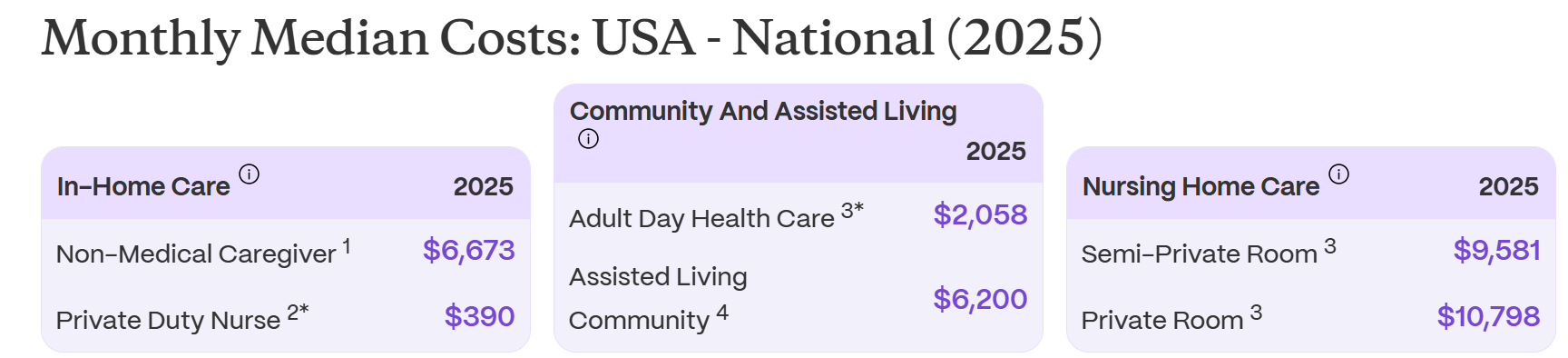
[Source: CareScout]
A medical alert system is not a substitute for assisted living or in-home care. Still, it can help a senior stay at home longer by shortening the time to help and reducing the risk that a minor incident becomes a major decline.
Peace of Mind for Caregivers
If you are the adult child or spouse, you know that caregiving involves dozens of small decisions that add up. Supporting seniors means balancing respect for independence with realistic planning for emergencies.
A medical alert system helps caregivers in two ways. First, it creates a clear plan for what happens if something goes wrong. Second, it reduces guesswork. Instead of calling repeatedly when a senior does not answer, you have a tool designed for urgent moments.
Bottom Line
Medical alert systems shorten response times, improve clarity, and keep daily life intact. The right device, worn consistently, can turn a scary moment into a quick call and a clear next step.
If you are building a safer at-home plan for an older adult, start by reducing fall risks, making emergency info accessible, and adding a medical alert system that matches real routines. In home safety, reliability beats complexity every time.