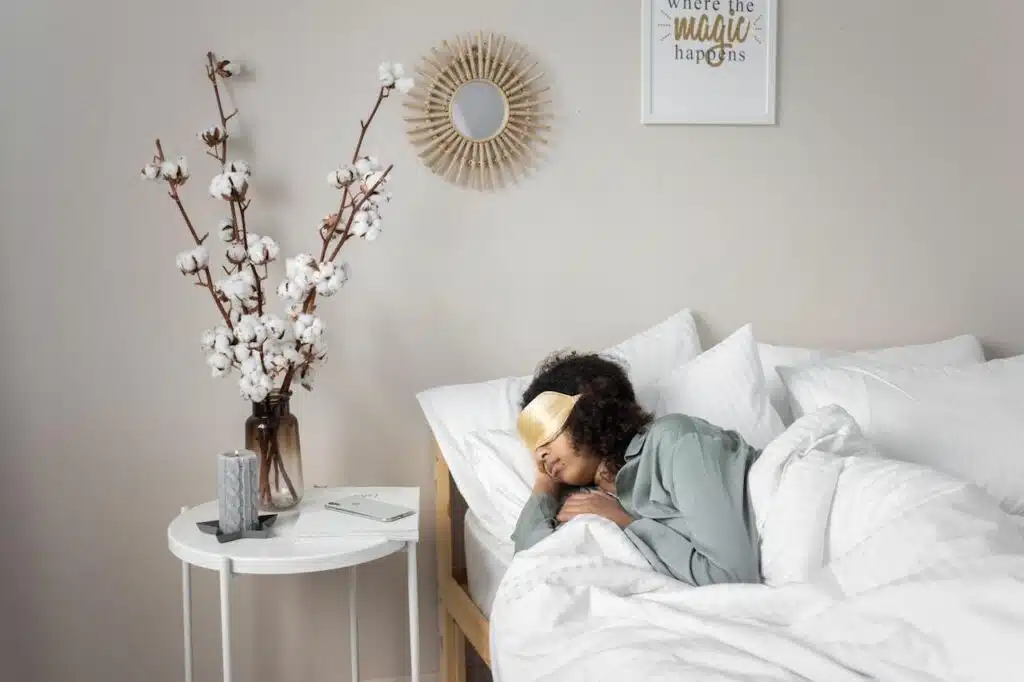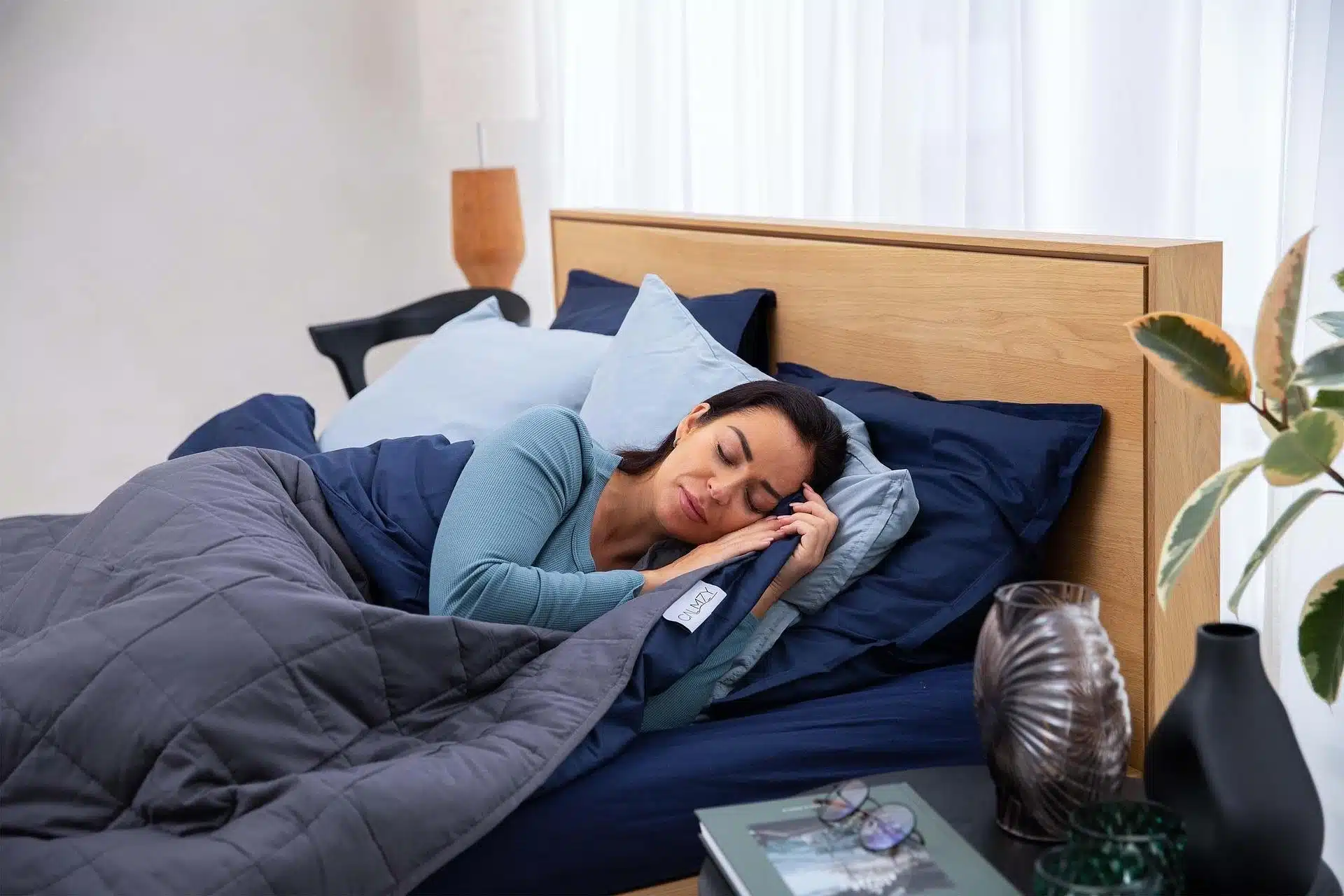


Sleeping after nose surgery can feel harder than expected. I remember thinking rest would come easily, then finding myself awake, uncomfortable, and worried about moving the wrong way.
If you are searching for how long after septoplasty can you sleep on your side, you are likely dealing with that same frustration.
Poor sleep can affect healing, mood, and daily comfort, so this topic matters more than most people realize. Knowing what helps early on and when it is safe to change positions can bring real peace of mind.
By the end, you will have clear steps, realistic timing, and simple ways to rest better while healing continues, including guidance on how long after septoplasty can you sleep on your side.
Why Sleep Position Matters After Septoplasty
Your sleep position plays a big role in how well your nose heals after septoplasty. During the first days of recovery, the tissues inside your nose are swollen and sensitive.
Sleeping in the wrong position can increase pressure on your nose, which may lead to more swelling, pain, or even bleeding. Side or stomach sleeping can also cause you to accidentally press your nose into a pillow while asleep.
Back sleeping with your head elevated helps fluid drain properly and reduces congestion. It also protects stitches and any internal splints from shifting.
Choosing the right sleep position can lower discomfort, improve breathing, and support faster, safer healing during recovery. Comfort strategies often make a bigger difference than changing sleep positions early on.
Tips to Improve Sleep Quality During Recovery

Simple habits before bed can reduce discomfort, limit wake-ups, and help your body rest better while healing continues after surgery.
- Keep your head raised throughout the night to reduce pressure and limit swelling.
- Use a humidifier to prevent dryness that can worsen nasal discomfort
- Follow medication timing exactly as advised to avoid pain during sleep
- Stick to a calm bedtime routine to help your body relax before rest
- Avoid screens and bright lights at least one hour before bed
- Keep water nearby to ease throat dryness if mouth breathing occurs
- Sleep in a cool, quiet room to reduce night waking
- Use pillow barriers to stay on your back without strain
- Avoid heavy meals and alcohol close to bedtime
- Take short daytime naps only if needed to protect nighttime sleep
How Long After Septoplasty Can You Sleep On Your Side?
Most people can start sleeping on their side about 10–14 days after septoplasty, but only if swelling and pain are minimal.
Sleeping on your side too early can put pressure on your nose, slow healing, or cause bleeding. That is why doctors usually suggest back sleeping at first.
Typical guidance:
- First 7–10 days: Sleep on your back only. Keep your head elevated to reduce swelling and pressure.
- After 10–14 days: Side sleeping may be allowed if swelling is low and you feel no pain. Start slowly and use soft pillows.
Notes:
- Healing speed varies by person and surgery type.
- Your surgeon’s instructions always come first.
- If side sleeping causes pain, pressure, or discomfort, wait longer and return to back sleeping.
When Can You Sleep on Your Side After Septoplasty?

Sleep comfort often improves before side sleeping is safe, so timing matters to protect healing while easing back into normal rest.
First 7 Days
During the first week after septoplasty, side sleeping is strongly discouraged because the nose is still very sensitive. Swelling, internal stitches, and healing tissue can react poorly to pressure.
Lying on your side may increase discomfort, raise swelling, or cause bleeding. Even light contact with a pillow can irritate the surgical area. Back sleeping with your head raised is the safest option during this phase.
Comfort alternatives include using extra pillows for support, sleeping in a recliner, and focusing on airflow and moisture at night. These adjustments help protect your nose while allowing better rest.
Days 8–14
Sleep comfort often improves before side sleeping feels safe, so support matters more than position early on.
Between days eight and fourteen, some people begin to feel more stable at night. Swelling often starts to ease, and breathing may slowly improve.
In certain cases, a surgeon may allow careful side sleeping during this period. This usually depends on how healing is progressing and whether bleeding has stopped.
Conditions that must be met include reduced tenderness, no active bleeding, and clear approval from your surgeon.
Even then, pressure should be avoided, and side sleeping should be gentle.
Weeks 3 & 4 and Beyond
By weeks three to four, healing is usually more advanced, and tissues feel less fragile. This is the typical clearance window when many surgeons feel side sleeping is safer.
Swelling is often lower, and discomfort tends to be mild. Full comfort does not always return immediately, but sleeping positions feel less stressful. Some people still prefer partial back sleeping for support, while others return fully to side sleeping.
Expectations should remain realistic, as internal healing continues beyond this stage. Checking in with your surgeon helps confirm when normal sleep feels appropriate again.
What Happens If You Roll Onto Your Side While Sleeping?
Rolling onto your side during sleep is a common concern after septoplasty, especially during the first few weeks. In most cases, brief side contact does not cause serious problems.
Short periods of pressure often happen without pain, bleeding, or changes to healing. Many people shift positions without fully waking, and the nose usually tolerates light contact if it is brief.
Problems are more likely if pressure is strong, lasts a long time, or happens repeatedly. Signs that need attention include new bleeding, sharp pain, sudden swelling, or a feeling of increased pressure in the nose.
If any of these occur, reaching out to your surgeon is important. Using pillow barriers and stable support can reduce how often rolling happens and help protect healing tissues overnight.
Factors that Affect Your Sleep and Healing Timeline

Healing and sleep patterns vary from person to person, and several factors influence how quickly comfort and steady rest return after surgery.
Procedure Type
Different procedures affect swelling, pressure, and how long certain sleep positions feel uncomfortable. The more internal work done, the longer sleep adjustments may take.
| Procedure Type | How It Can Affect Sleep |
|---|---|
| Septoplasty Only | Usually causes less swelling and a shorter period of sleep disruption |
| Septoplasty + Turbinate Reduction | Can lead to longer congestion and pressure during sleep |
| Combined Nasal Procedures | Often increases discomfort and delays comfortable position changes |
Following the specific guidance given for your procedure helps avoid setbacks and supports a smoother recovery during sleep.
Swelling and Congestion Levels
Swelling and congestion directly affect breathing comfort and how often sleep is interrupted at night.
- Ongoing swelling can make breathing feel uneven while lying down
- Fluid buildup may increase pressure when turning or lying flat
- Some people experience longer congestion due to slower tissue recovery
- Elevation, moisture, and rest help reduce pressure over time
As swelling slowly improves, sleep often becomes more stable without major changes to position.
Signs You are Ready for Side Sleeping
Before changing sleep position, your body should show clear signs that healing is stable. Use this checklist to help decide if side sleeping may feel safe and comfortable.
- Swelling around the nose has noticeably reduced
- No active bleeding or fluid drainage is present
- Tenderness feels mild and continues to improve
- Breathing feels steadier when lying down
- Sleeping on your back no longer causes pressure discomfort
- Your surgeon has confirmed side sleeping is allowed
If several of these signs are present, side sleeping may feel more comfortable and less risky.
When to Call Your Doctor About Sleep Issues
Sleep problems are common after septoplasty, but some signs should not be ignored. You should call your doctor if you notice ongoing bleeding that does not slow down or stop with rest and elevation.
Severe congestion that completely blocks your breathing and keeps you awake at night also needs medical advice. Increasing pain after the first week is another concern, especially if it feels worse instead of better.
Trouble breathing at night, gasping for air, or feeling panicked while sleeping should be addressed right away. These symptoms may signal swelling, blockage, or another issue that needs care.
Getting help early can prevent complications and support safer healing.
Conclusion
Getting rest after surgery is not always simple, but small choices can make a real difference.
I covered why sleep feels difficult, how to stay comfortable on your back, and when side sleeping usually becomes safer. The main goal is to protect healing while finding ways to rest without added stress.
One helpful takeaway is that comfort often improves before position rules change, so support and setup matter early on.
If you are still unsure how long after septoplasty can you sleep on your side, checking your symptoms and following the surgeon’s advice helps guide that decision.
If sleep is still difficult, try adjusting support before changing positions. You can also check out related recovery tips in the other blogs.