
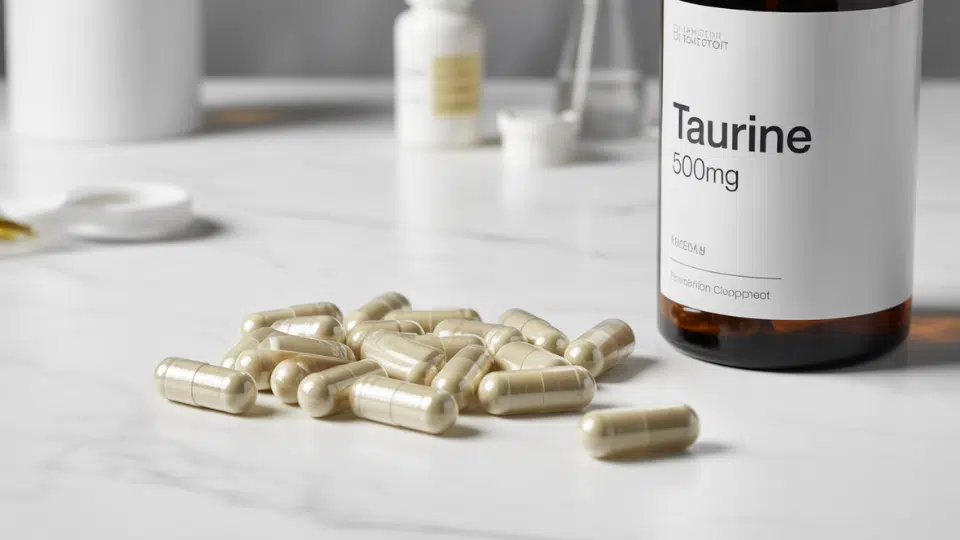
I kept seeing Taurine in energy drinks and pre-workouts, so naturally, I assumed it was a stimulant. Then I started hearing people swear by Taurine for sleep, claiming it calmed them down and helped them rest better.
Confusing, right? Some users say it makes them feel relaxed and improves sleep quality, while others report lying awake feeling oddly alert. The truth is more nuanced than most articles admit.
In this post, I’ll clarify how Taurine influences your nervous system, why it aids sleep for some but disrupts it for others, when and how much to take, and if it’s suitable for your sleep problems.
By the end, you’ll understand exactly where Taurine belongs, or doesn’t, in your nighttime routine.
Does Taurine Help or Hurt Sleep?
Let’s cut straight to it. Taurine is not a sleep hormone or sedative like melatonin. It won’t knock you out or make you drowsy.
What Taurine can do is calm an overactive nervous system, which might improve sleep quality indirectly, especially if stress or tension keeps you tossing and turning.
That said, using Taurine for sleep doesn’t work the same for everyone. Some people take it and feel noticeably more relaxed at night. Others, especially when taken too close to bedtime or in higher doses, report feeling mentally alert or even restless.
The effect depends on timing, dosage, and individual body chemistry. So while Taurine shows promise for supporting better rest in specific situations, it’s not a universal sleep aid, and for some, it can actually backfire.
Why Taurine Affects Sleep Differently Than You Expect

Most people have a limited understanding of what Taurine genuinely does within the human body, and this lack of knowledge is often the root cause of the confusion surrounding sleep issues.
Taurine is Calming, Not Sedating
Taurine supports nervous system balance by regulating neurotransmitters like GABA, which reduces excessive brain activity.
This creates a sense of calm, think turning down background noise rather than dimming the lights. The confusion happens because people mistake “feeling relaxed” for “feeling sleepy.”
- Works best taken 2-4 hours before bed, not right at bedtime
- Won’t help you fall asleep faster if you’re already calm
- May reduce middle-of-the-night wake-ups caused by stress, not sleep onset issues
Taurine, Stress, and Nighttime Overstimulation
When stress keeps the nervous system fired up at night, Taurine can help dial it back by dampening overactive signaling.
This is why some people experience deeper, less interrupted sleep. But the effect only works if stress or nervous tension is disrupting rest in the first place.
- Chronic stress elevates cortisol and excitatory neurotransmitters at night
- Taurine acts as a buffer against this overstimulation, not as a sleep trigger
- Sleep improvements show up as better sleep quality, not faster sleep onset
Comparing Taurine, Melatonin, and Magnesium for Sleep
People often confuse these three supplements because they all relate to sleep, but they actually work in completely different ways.
| Supplement | Primary Function | Best For | Won’t Help With |
|---|---|---|---|
| Taurine | Calms the nervous system, reduces stress signaling | Stress-driven sleep issues, feeling “wired.” | Falling asleep faster, circadian rhythm problems |
| Melatonin | Regulates the sleep-wake cycle, signals bedtime | Sleep onset, jet lag, shift work | Sleep quality once asleep, stress-related waking |
| Magnesium | Muscle relaxation, nervous system support | Physical tension, restless legs, muscle discomfort | Racing thoughts, anxiety-driven insomnia |
The right choice depends entirely on what’s actually keeping you awake at night, not just wanting better sleep in general.
Taurine in Energy Drinks: Why It Gets Blamed for Poor Sleep
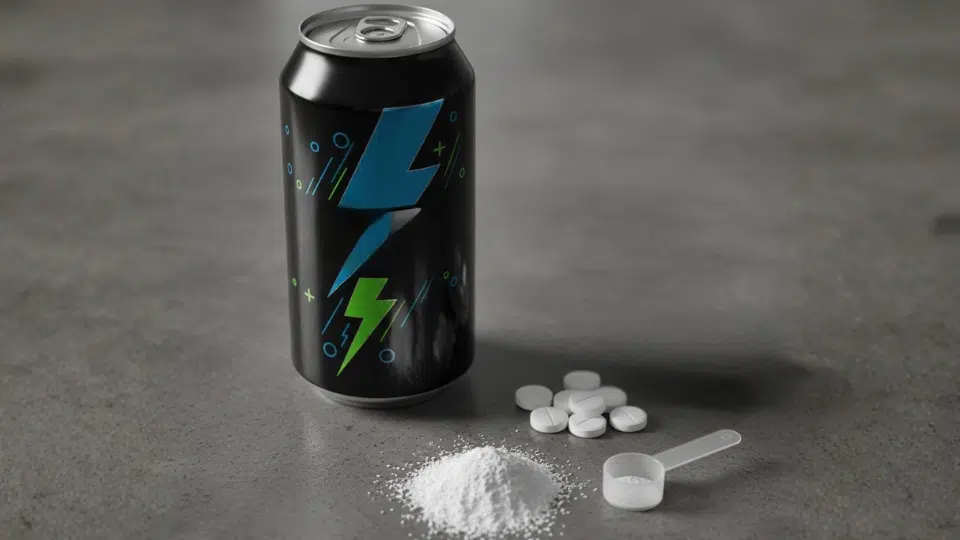
Energy drinks contain both Taurine and massive amounts of caffeine, but Taurine gets blamed when people can’t sleep. The reality is that caffeine masks Taurine’s calming effects entirely.
A typical energy drink has 150-300mg of caffeine, enough to disrupt sleep for 6-8 hours, while the Taurine sits there doing nothing essentially in comparison. This is why the connection between Taurine and sleep problems is mostly guilt by association.
What’s actually in that energy drink:
- Caffeine (150-300mg): Directly blocks sleep signals, keeps you awake for hours
- Taurine (1000mg): Calming effect completely overpowered by caffeine
- Sugar/other stimulants: Additional contributors to sleep disruption
The Taurine isn’t helping you sleep, but it’s definitely not the reason you’re staring at the ceiling at 2 AM either.
Why and When can Taurine Backfire
This happens to some users and is not rare. Taurine might work well initially, but after consistent nightly use, it can flip, causing early waking, restlessness, or unwanted alertness.
The typical progression:
Week 1-2: Taurine calms the nervous system, and sleep feels deeper
Week 3-4: Effects become less predictable, occasional early waking
Week 5+: Sleep disruption becomes the norm, waking at 3-4 AM feeling alert
Taurine is not designed for long-term nightly sleep use. The body’s response shifts, and what initially calmed the system starts producing mild stimulation instead.
The mistake that makes it worse: Increasing the dose or taking it later in the evening. If Taurine initially improves sleep but later causes early waking or restlessness, continuing to push the dose is more likely to worsen sleep, not fix it. Stop nightly use immediately or shift timing to morning/early afternoon only.
Who Should Avoid Taurine for Sleep?
Not everyone should experiment with Taurine for sleep, even in smaller doses.
Highly stimulant-sensitive individuals should proceed with caution. If even green tea makes you jittery or keeps you awake, Taurine might produce unexpected alertness rather than calm, especially when taken in the evening.
People with insomnia triggered by supplements often find that adding anything new, even non-stimulants, disrupts their carefully balanced sleep routine. Taurine is no exception, and the risk of making sleep worse outweighs potential benefits.
Anyone expecting Taurine to work like a sleeping pill will be disappointed and frustrated. Taurine is not designed to make you fall asleep, so using it as a primary insomnia treatment is setting yourself up for failure. It’s a supportive tool at best, not a solution.
Final Verdict: Should You Use Taurine for Sleep?
After digging into how Taurine actually works, my verdict is clear: Taurine for sleep isn’t a primary solution, but it can be a useful supporting tool for the right person.
If stress, muscle tension, or feeling “wired” at night is disrupting your rest, Taurine might help improve sleep quality, not by making you drowsy, but by calming an overactive nervous system.
However, timing and dosage matter significantly, and it can backfire when taken too late or in higher amounts. This isn’t melatonin or magnesium; it won’t help you fall asleep faster or fix chronic insomnia.
Think of Taurine as a stress buffer, not a sleep aid. If you’ve tried it or have questions about your specific situation, drop a comment below. I’d love to hear what worked or didn’t work for you.