A home should feel easy to live in. It should support your routine, not slow you down. Yet many people live in houses that were never designed for their daily habits. Rooms feel too small, storage is not enough, and layouts do not flow well.
This is where thoughtful design makes a difference. Instead of adjusting your life to fit the space, you can create a home that fits you. A well-planned home can improve comfort, save time, and reduce stress in simple ways.
Understanding What Comfort Really Means
Comfort is not just about soft furniture or nice finishes. It is about how a home works throughout the day. It is about movement, light, noise, and convenience.
A comfortable home should:
- Feel easy to move around in
- Provide enough natural light
- Offer quiet when needed
- Keep everything within reach
When these elements come together, daily life becomes smoother.
Start With Your Daily Routine
The best way to design a comfortable home is to think about how you live. Your routine should guide every decision.
Ask yourself:
- Where do you spend most of your time?
- Do you work from home?
- Do you need quiet spaces or social areas?
- How often do you cook or entertain guests?
Answering these questions helps shape the layout. It also helps avoid wasted space.
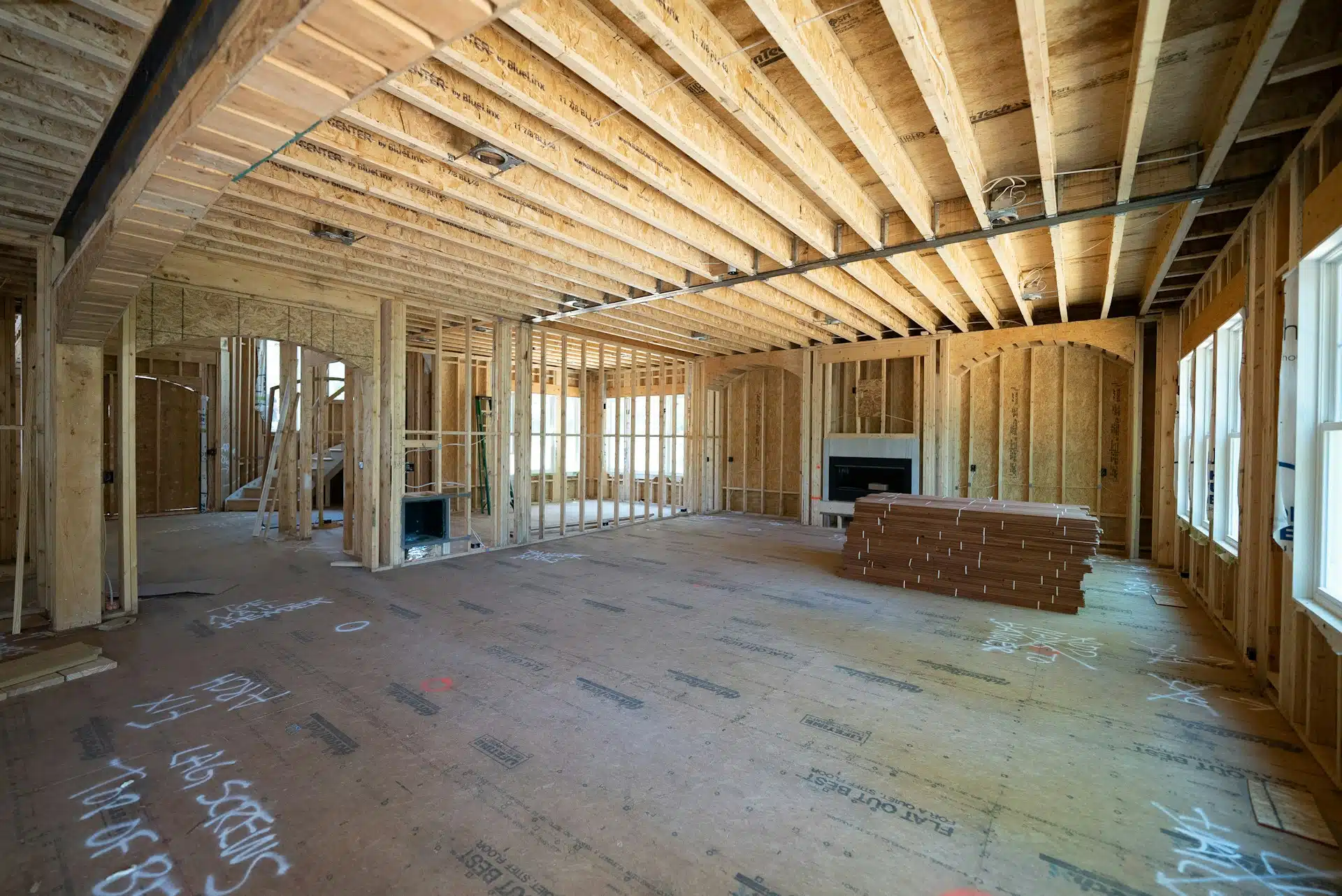
Many homeowners now choose custom homes because they allow full control over these decisions. This makes it easier to design a space that matches real life.
Designing a Practical Layout
A good layout is the foundation of comfort. It affects how you move, how you interact, and how you use each room.
Some practical ideas include:
- Open living areas for better flow
- Separate quiet zones for work or rest
- Easy access between kitchen and dining areas
- Clear pathways without clutter
Small layout changes can make a big difference. A well-planned space feels larger and more organized.
Making Storage Simple and Smart
Clutter can quickly reduce comfort. Without enough storage, even a beautiful home can feel stressful.
Smart storage solutions include:
- Built-in cabinets
- Hidden storage under stairs
- Multi-use furniture
- Organized closets
These features keep things tidy without adding extra furniture. They also make cleaning easier.
Using Natural Light to Improve Mood
Lighting plays a big role in comfort. Natural light can improve mood and make spaces feel more open.
To increase natural light:
- Add larger windows where possible
- Use light-colored walls
- Keep window areas clear
- Choose open layouts
Well-lit spaces feel more welcoming and less confined.
Creating Comfortable Living Zones
Every home needs spaces for different activities. Mixing everything into one area can feel chaotic.
Instead, create clear zones:
- A relaxing living area
- A focused workspace
- A dining space for meals
- Outdoor areas for fresh air
These zones help balance activity and rest. They also make the home feel more organized.
Choosing Materials That Feel Good
Materials affect both comfort and durability. Some surfaces feel warm and inviting, while others feel cold or hard.
Popular choices for comfort include:
- Wood flooring for warmth
- Soft textiles for furniture
- Matte finishes to reduce glare
- Durable materials for high-use areas
The goal is to create a balance between style and practicality.
Keeping Temperature Comfortable Year-Round
Temperature control is a key part of everyday comfort. A home that is too hot or too cold can quickly become unpleasant.
Modern homes can include:
- Proper insulation
- Energy-efficient windows
- Smart thermostats
- Zoned heating and cooling
These features help maintain a stable indoor environment.
Working with a custom home builder Washington can help ensure these systems are planned correctly from the start.
Designing for Quiet and Privacy
Noise can affect how comfortable a home feels. A well-designed home should offer quiet when needed.
Some ways to improve privacy include:
- Placing bedrooms away from busy areas
- Using sound-absorbing materials
- Adding doors or partitions where needed
This is especially important for families or people working from home.
Making Everyday Tasks Easier
A comfortable home should make daily tasks simple. Small design choices can save time and effort.
Examples include:
- Placing laundry areas near bedrooms
- Designing kitchens with easy access to appliances
- Adding enough electrical outlets in key areas
- Keeping frequently used items within reach
These details may seem minor, but they improve daily life.
Outdoor Spaces Matter Too
Comfort is not limited to indoor areas. Outdoor spaces can extend living areas and provide relaxation.
Ideas for outdoor comfort:
- Covered patios
- Simple seating areas
- Easy-to-maintain gardens
- Outdoor lighting for evening use
Even a small outdoor space can add value to daily living.
Planning for the Future
A good home should adapt over time. Life changes, and your home should be ready for that.
Consider:
- Flexible rooms that can change purpose
- Extra storage for future needs
- Designs that support aging in place
Planning ahead reduces the need for major changes later.
Balancing Style and Function
It is easy to focus on appearance, but function should come first. A stylish home that does not work well can become frustrating.
The best approach is balance:
- Choose designs that look good and work well
- Avoid trends that may not last
- Focus on long-term comfort
This creates a home that feels both modern and practical.
Avoiding Common Design Mistakes
Many homeowners make similar mistakes when planning a home. Being aware of these can help you avoid them.
Common issues include:
- Not enough storage
- Poor lighting design
- Ignoring daily routines
- Choosing style over comfort
Taking time to plan can prevent these problems.
The Value of Professional Guidance
Designing a home can feel overwhelming. There are many decisions to make, and each one matters.
Working with experienced professionals can help:
- Turn ideas into practical designs
- Avoid costly mistakes
- Improve overall quality
They can also suggest solutions you may not have considered.
Bringing It All Together
Comfort comes from many small details working together. Layout, light, storage, and materials all play a role.
When these elements are planned carefully, the result is a home that feels natural and easy to live in. Many people are now choosing custom homes because they offer this level of control and personalization.
A well-designed home is not just about how it looks. It is about how it supports your life every day. With the right approach, you can create a space that feels comfortable, functional, and truly yours.