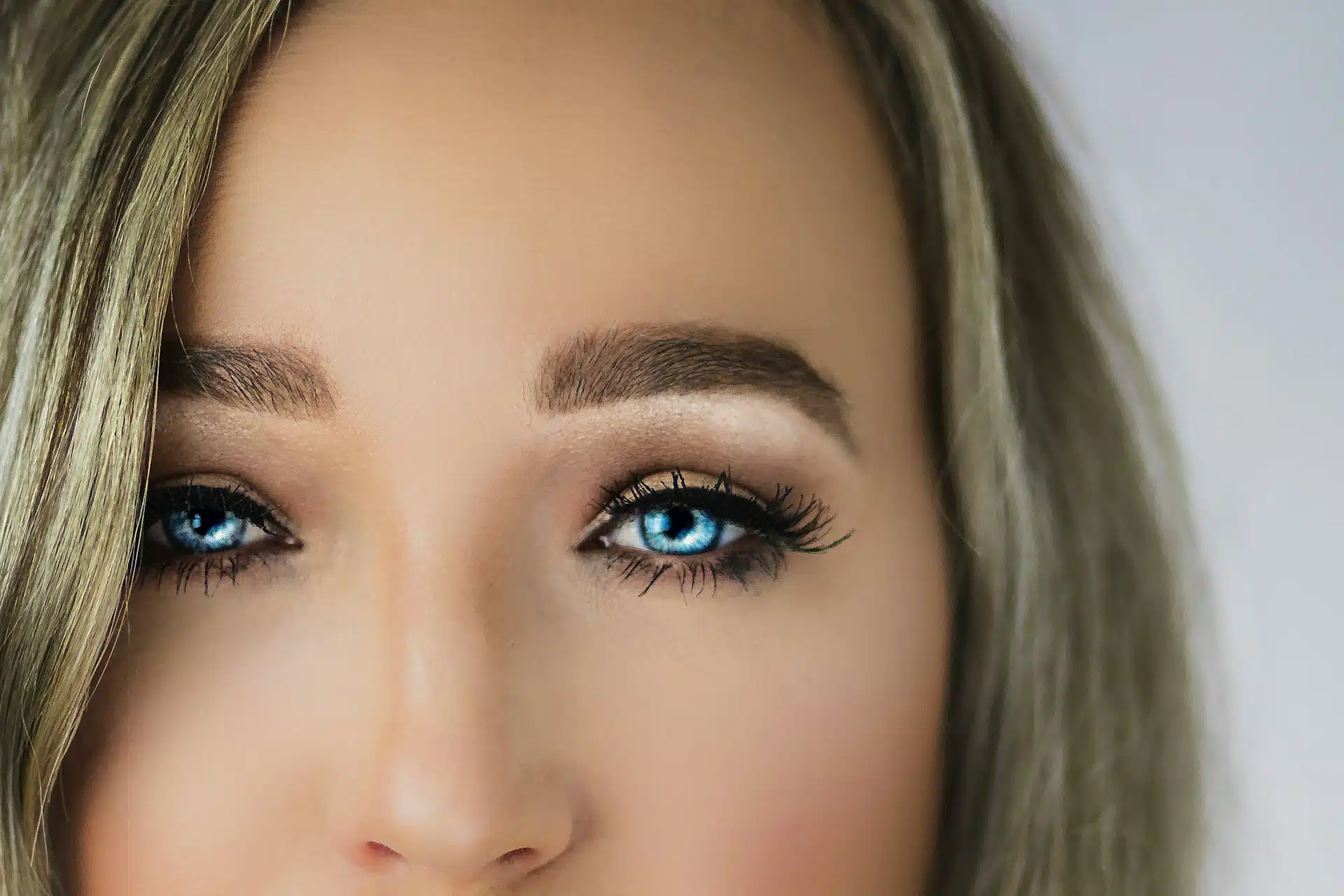
Eyebrows frame the face. They shape expressions, define features, and play a bigger role in appearance than most people realise. For anyone who has struggled with sparse, patchy, or missing brows, filling them in daily with makeup can feel like an endless task. An eyebrow transplant might not be the first solution that comes to mind, but it’s one that’s quietly gaining attention across the UK.
Keep reading to find out how it works, who it may suit, and what the process looks like from start to finish.
What Is an Eyebrow Transplant?
An eyebrow transplant is a surgical procedure that involves taking hair follicles from a donor area, typically the back of the scalp, and carefully placing them into the brow area. The technique is similar to a standard FUE (Follicular Unit Extraction) hair transplant, where individual follicles are extracted and implanted one by one.
The work is carried out at a sub-millimetre level, with surgeons mapping out the natural brow shape before any follicles are placed. The goal is to produce results that look like naturally grown brows, not an obviously treated area.
Who Might Benefit from the Procedure?
Eyebrow loss or thinning can happen for many reasons. Some of the most common include:
- Over-plucking over many years
- Alopecia or other autoimmune conditions
- Thyroid-related hair loss
- Scarring from injury or a previous procedure
- Natural thinning that comes with age
Both men and women may find this procedure worth exploring. Specialist clinics such as Treatment Rooms London offer eyebrow transplants as part of a broader range of hair restoration options, treating patients across a variety of needs including scarring, alopecia, and natural thinning.
Always consult with a qualified doctor or healthcare professional before considering any surgical treatment to establish whether it’s appropriate for you.
What Does the Process Involve?
The process typically begins with a consultation, where a surgeon will assess the brow area, discuss expectations, and plan the shape and density of the transplant. This step matters because the angle and direction of implanted hairs have to closely match the natural brow growth pattern.
The procedure itself is carried out in a single day. Recovery tends to be relatively brief, though some redness and minor swelling around the brow area is to be expected during the first week. The transplanted hairs may shed in the weeks following surgery, which is a normal part of healing. New growth will typically begin to appear after around three to four months.
Full results may take up to twelve to eighteen months to become visible, so patience is an important part of the journey.
Common Concerns and Misconceptions
It’s natural to have questions before considering any surgical procedure, and eyebrow transplants are no exception. Because the treatment is less widely discussed than other cosmetic options, a lot of the information available online can be vague or misleading. Here are some of the most common concerns, addressed clearly.
Will It Look Obvious?
This is often the first worry people have, and it’s an understandable one. A well-performed eyebrow transplant should not look obvious. Surgeons map the angle, direction, and density of the transplanted hairs to match natural brow growth patterns before placing a single follicle. The results are designed to blend in, not stand out.
That said, the skill of the surgeon matters enormously here, which is why choosing an experienced and reputable clinic is so important.
Is the Procedure Painful?
The treatment is carried out under local anaesthetic, so you should not feel pain during the procedure itself. Most patients describe the sensation as mild pressure or occasional tugging, not sharp pain.
Some discomfort, tenderness, and slight swelling around the brow area can be expected in the days following surgery, but this is generally manageable with over-the-counter pain relief and typically settles within a week.
Do the Transplanted Brows Eventually Fall Out?
There is an important distinction to make here. The transplanted hairs will shed within the first few weeks after surgery, which is a completely normal part of the healing cycle and not a sign that the procedure has failed. New growth from those same follicles should begin appearing after around three to four months. Because the follicles are taken from the scalp, where hair is genetically programmed to keep growing, the results are considered long-lasting. You will, however, need to trim them regularly since they continue to grow at the rate of scalp hair.
Can Anyone Have the Procedure?
Not everyone will be a suitable candidate. People with certain autoimmune conditions, active skin infections in the brow area, or insufficient donor hair may be advised against the treatment.
A thorough consultation with a qualified surgeon is the only reliable way to determine whether the procedure is right for your individual circumstances. This is also the stage where realistic expectations should be set, as results vary depending on skin type, healing response, and the quality of donor hair available.
How Do Results Compare to Other Brow Treatments?
Microblading and brow tinting are popular non-surgical options, and for many people they work well. However, they require regular maintenance and top-ups. An eyebrow transplant, being a surgical procedure, aims to offer a longer-term outcome instead of repeated appointments. Once the transplanted hairs have established and are growing naturally, they can be trimmed and shaped like any other brow hair.
It’s worth noting that surgical results vary from person to person and will depend on factors such as skin type, donor hair quality, and individual healing.
A Final Word
Eyebrow transplants are a lesser-known option in the world of hair restoration, but they’re a well-established one. For anyone who has felt limited by sparse or missing brows, it’s a treatment worth learning about. As with any surgical procedure, doing proper research and speaking with a medical professional will always be the most important first step.