Creative innovations in home design are changing things at a rapid pace. Besides beauty, homeowners are now looking for functionality, intelligence, and character in their spaces.
The two major buzzwords of home design in 2026 are hidden doors and outdoor green spaces. If you either lack space or want to impress your visitors with a remarkable home, these design ideas could be just what you need. Read on to get some inspiration that is not only fun but also very down-to-earth!
What Are Hidden Doors?
A hidden door is what it sounds like, a door that simply blends in with its surroundings to avoid attention.
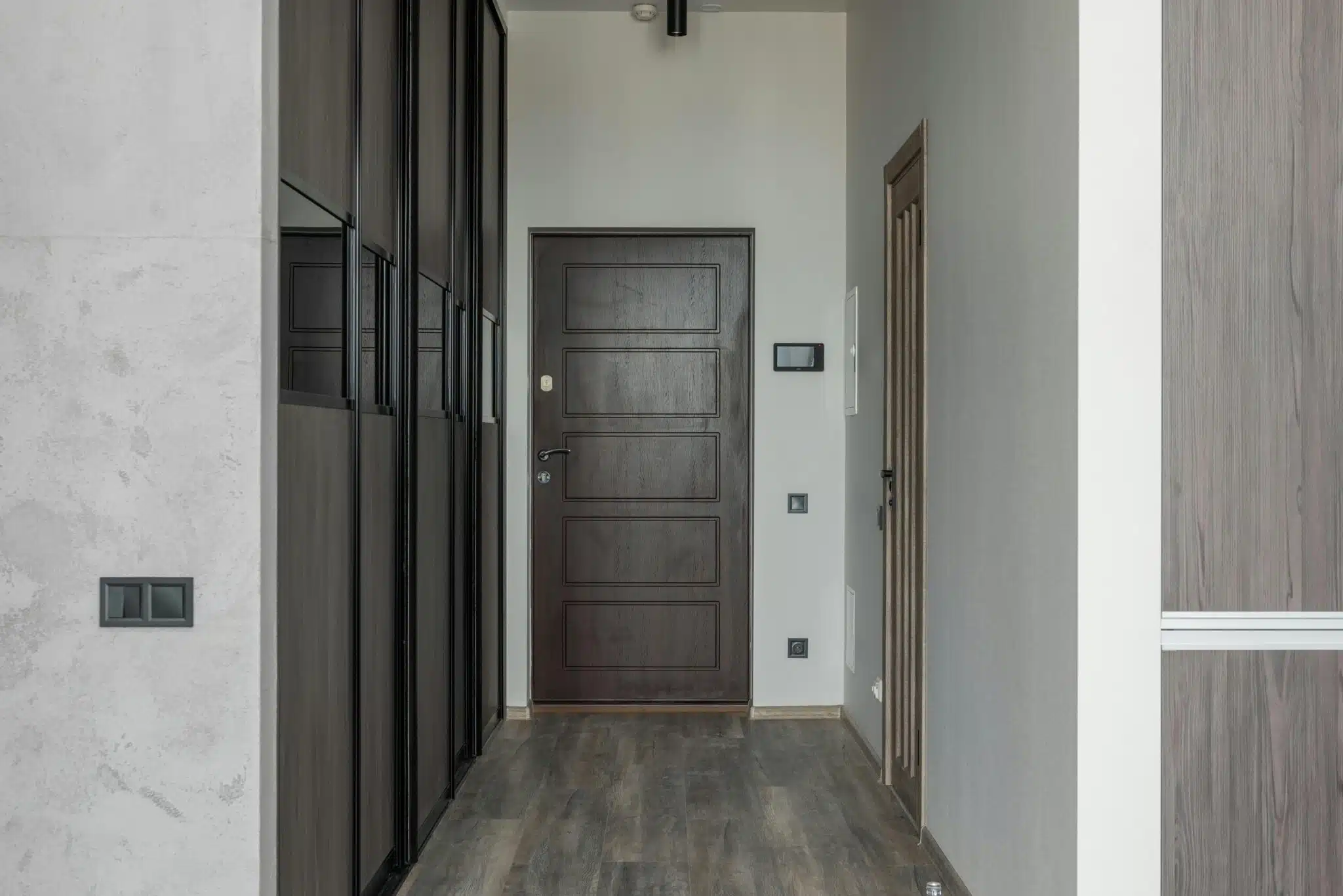
The aim is to have the door blend in with a wall, a bookcase, a mirror, or another surface. This gives a space a clean and unbroken look, while still providing access to the home’s other areas.
There are many kinds of secret doors you can use. Behind it, a room is revealed as the case door swings open like a cabinet. A flush wall door is designed to blend in with the wall panels to the extent that you can’t see it. Mirror doors are constructed using a full-length mirror as the door’s face. As a result, they work as a mirror and a door.
Each type has its own charm and works best in different settings. The benefits of adding a hidden door are clear – they save visual space and add an element of surprise to your home.
Designing Your Hidden Door
The first step to an amazing hidden door is to pick the right place. Choose a room which a secret entrance would be most useful.
One of the most creative hidden door ideas include a secret home office tucked away behind a bookcase because it’s a quiet space away from it all. Secluded storage spaces, wine cellars, and media rooms also work great with hidden doors.
Use colors, materials, and finishes that are as close as possible to the existing decoration. If your walls are white and smooth, so should be your secret door.
The door should match any wood paneling or shiplap found in the home’s wood type and pattern. Don’t forget about the hardware either, a standard door handle will give the secret away; opt for push-to-open or hidden magnetic latches instead.
Ensure that the door opens and closes smoothly and quietly so that it does not creak or stick. Otherwise, the door will not serve its purpose properly.
Outdoor Green Spaces: An Overview
Any area outside one’s home that contains any plants, grass, trees or other natural elements can be termed as an outdoor green space. It can be a garden, a patio with planters, a rooftop terrace or even a mini balcony with potted herbs.
Whether tiny or tall, a green patch connects your home to nature and makes your surroundings calmer and fresher.
Having greenery around your house has its benefits. The plants reduce stress, boost mood and clean the air. Having natural green space outdoors can provide you with space and scope to simply relax, entertain or just have quiet time outdoors.
The most common types of outdoor green space include kitchen gardens where you can grow your own food, flower gardens which add color and fragrance to your home, zen gardens designed for peace and reflection, and casual lawns where families gather.
Designing Your Outdoor Green Space
Before you begin, look at sunlight and space to understand which areas get full sun, partial shade, or deep shade throughout the day.
This will help in choosing the right plants. A garden which enjoys strong sunlight for most of the day with a southerly aspect is ideal for vegetables and flowers. Ferns, hostas, and moss gardens thrive best in shaded areas.
Garden experts recommend selecting plants suitable for your climate to make sure they can thrive and maintain their health. A tropical plant might not thrive in a chilly and dry location. Use local or climate-adapted flora whenever possible. These plants are more likely to withstand climate change, need less water and support pollinators.
Don’t forget to consider seating and decor, which can help to make the area feel inviting. A set of weather-resistant chairs, a simple bench or even a hammock can make a garden a comfy little outdoor nook. Make your surroundings warmer with string lights, planters and a small water feature for sound.
Combining Hidden Doors with Outdoor Spaces
One of the most clever uses for these hidden doors is to connect them directly to an outdoor green area. Visualise a bookcase wall in your living room that swings open onto a beautiful, private garden. How about an arcade or a hidden door in a garden wall that provides access to a secluded seating area?
Garden landscaping ideas like these evoke feelings of hidden stories that are just waiting to be discovered. Combining hidden doors with outdoor areas adds a wow factor. It also creates more privacy and security. A concealed entryway to a garden or terrace is much less inconspicuous to the public than a simple glass door.
In many homes, designers use ivy-covered doors embedded in stone walls, hidden gates that appear as garden fences, and sliding panel doors that lead from a kitchen pantry into the herb garden.
These design elements will enhance the beauty of houses, provide more privacy and offer interesting living spaces.
Conclusion
Hidden doors and outdoor green spaces are two of the most innovative concepts in home design today. Hidden doors can maximize space in your home, and add a little mystery to it. Outdoor green spaces bring nature and enhance your well-being. A personal space, just outside the door. The two examples show how good design isn’t just about appearance. It’s about how a space makes you feel.