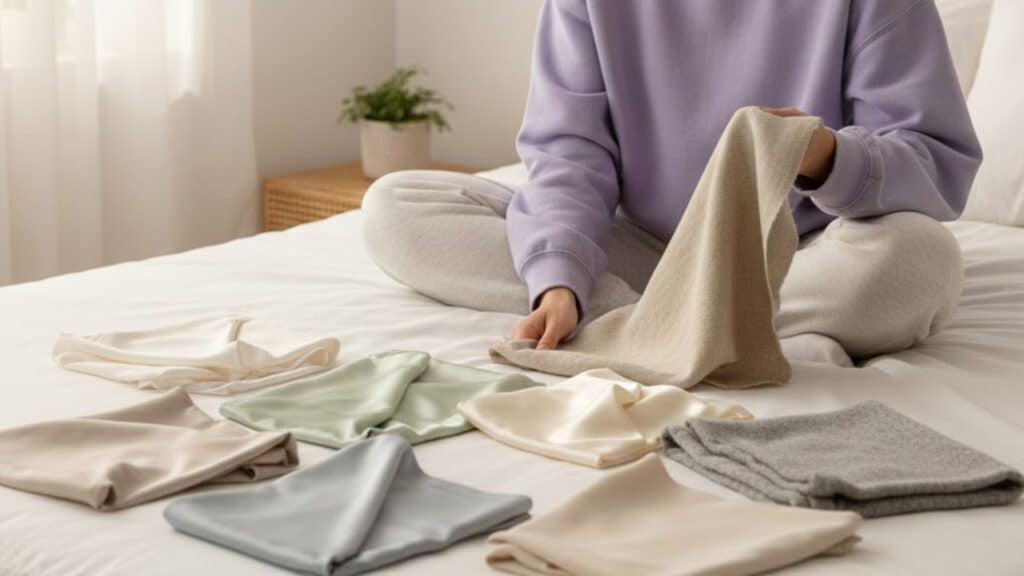
Tired of waking up uncomfortable and wishing your bed felt like a luxury hotel? The best bed sheet material can completely transform your sleep experience every single night.
I understand the struggle of searching through endless options without knowing what really works best. Shopping for sheets shouldn’t feel like solving a complex puzzle with no clear answer.
You want something that feels amazing against your skin and lasts for years without falling apart. Every fabric offers something different, and finding your perfect match is easier than you think.
Your bedroom deserves an upgrade that makes you excited to climb into bed each night. Your dream sheets are closer than you realize.
Role of the Best Material for Sheets
The fabric you sleep on directly affects how well you rest each and every night. Breathable materials help air flow freely, keeping you cool and comfortable throughout your sleep.
Soft fabrics feel gentle against your skin, making it easier to relax and drift off peacefully. Moisture-wicking properties pull sweat away from your body, so you don’t wake up feeling damp.
People with sensitive skin or allergies need hypoallergenic materials that won’t cause irritation or reactions. Temperature control is crucial because the right fabric keeps you warm in winter and cool in summer.
Some materials last much longer than others, making them smarter investments despite higher upfront costs. Choosing quality sheets means better sleep and fewer replacements over time.
Best Bed Sheet Materials for Comfortable Sleep
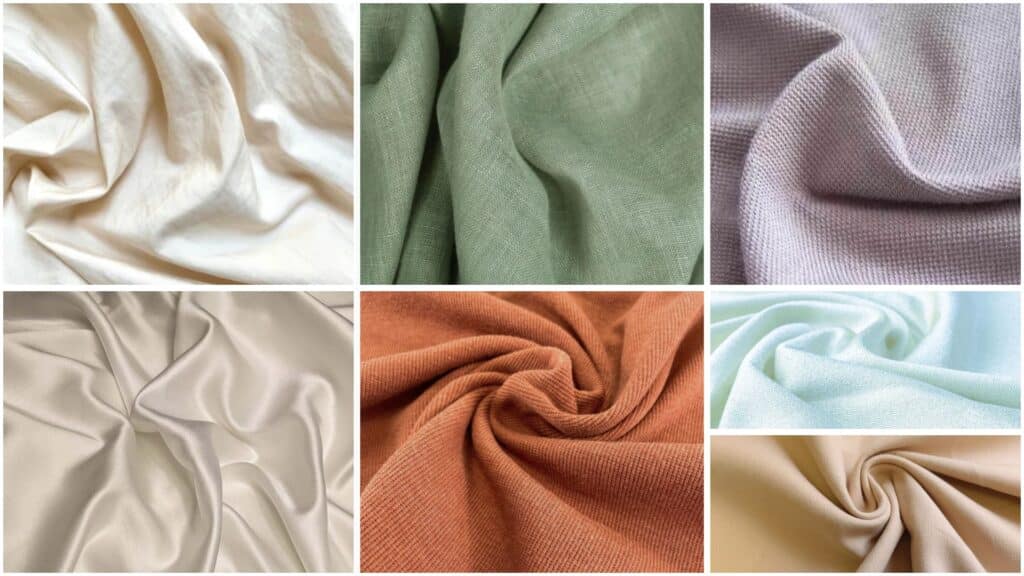
I’ve found that different sheet materials offer unique benefits that can match your specific sleep needs. Understanding each fabric helps you choose the perfect sheets for your comfort and budget.
1. Cotton
Cotton is the most popular bed sheet material made from the natural fibers of the cotton plant. It’s breathable, comfortable, and easy to care for, making it perfect for everyday use.
Egyptian and Pima cotton varieties have longer fibers, making sheets even softer and more durable.
Cotton quality varies depending on fiber length and thread count, so choose carefully when shopping. These sheets may wrinkle easily and shrink slightly after washing in hot water.
Cotton works well for anyone looking for reliable, comfortable sheets that balance quality, durability, and affordability.
2. Linen
Linen sheets are made from flax fibers and have a distinctive natural texture. They offer excellent breathability and moisture-wicking properties, making them ideal for hot sleepers and warm climates.
Linen gets softer and more comfortable with every wash, improving over time with use. These sheets can feel rougher initially and tend to wrinkle more than smoother fabrics.
Linen costs more than basic cotton, but its durability makes it worth the investment. Choose linen if you sleep hot and love a relaxed, natural look with long-lasting quality.
3. Bamboo
Bamboo sheets are typically made from bamboo viscose or other specially processed bamboo-derived cellulosic fibers. They feel incredibly soft and silky against your skin, with excellent moisture-wicking and cooling properties.
Bamboo is naturally eco-friendly and works wonderfully for people with sensitive skin or allergies. The term “bamboo” can be misleading, as processing methods vary across manufacturers and brands.
These sheets cost more than standard cotton but offer superior softness and temperature regulation. Bamboo is perfect for sleepers who prioritize a cooling feel and silky-smooth comfort.
4. Silk
Silk sheets are natural protein fibers produced by silkworms and are considered a luxury bedding material. They feel extremely smooth and soft, offering a hypoallergenic option that’s gentle on hair and skin.
Silk gives your bedroom a truly luxurious feel that no other material can match. These sheets come with a high price tag and require delicate care, such as handwashing.
Silk isn’t practical for everyday use unless you’re willing to invest time in maintenance. Choose silk if you want high-end luxury bedding and don’t mind the extra care required.
5. Tencel (Lyocell)
Tencel is a regenerated cellulose fiber often made from eucalyptus wood pulp through eco-friendly processing. It feels smooth and strong while offering excellent breathability for a comfortable night’s sleep.
Tencel production uses less water and fewer chemicals than traditional fabric manufacturing processes do. These sheets may cost more than basic cotton and aren’t as widely available in stores.
Tencel offers a premium feel and performance with cooling and moisture-wicking properties throughout the night. This material is perfect for eco-conscious buyers who want both sustainability and superior comfort.
6. Microfiber / Polyester Blends
Microfiber sheets are made from synthetic fibers, such as polyester or nylon, blended for durability. They cost much less than natural fiber options and resist wrinkles better than cotton sheets.
These sheets come in a wide range of colors and styles to match any bedroom. Microfiber is less breathable than natural fibers and may retain heat and moisture overnight.
The synthetic feel isn’t as premium or luxurious as natural materials like cotton or linen. Choose microfiber for budget-friendly guest rooms or when easy care matters more than luxury.
7. Flannel / Brushed Cotton
Flannel sheets are cotton that’s been brushed to create a soft, fuzzy finish for warmth. They feel warm and cozy, making them perfect for cold winter nights and chilly climates.
Flannel provides a heavier, snuggly feel that some people absolutely love during colder months.
These sheets can be too warm for hot sleepers or anyone living in warm climates. Flannel may show wear faster than regular cotton and comes in fewer color options.
Choose flannel for the winter months if you run cold at night or want cabin-cozy comfort.
Factors to Consider When Choosing Bed Sheet Material
I’ve learned that choosing the right bed sheets involves more than just picking your favorite color. Several important factors affect how well the sheets will work for your specific needs.
- Climate and Temperature: Consider the weather in your area when choosing between cooling fabrics like linen and bamboo or warmer options like flannel for cold climates.
- Skin Sensitivity and Maintenance: If you have sensitive skin, hypoallergenic materials like bamboo or Tencel work better, and think about how easy the sheets are to wash and care for regularly.
- Budget: Natural materials like silk and linen cost more upfront, while synthetic options like microfiber are budget-friendly but may not feel as premium or luxurious.
- Durability: Look at how long each material lasts with proper care—linen and cotton typically last many years, while microfiber may lose its softness over time.
These factors help you narrow down your choices to find sheets that truly work for you. Take time to evaluate what matters most for your comfort, lifestyle, and budget before buying.
How to Care for Different Bed Sheet Materials
Proper care helps your bed sheets last longer and stay soft and comfortable. Each material has specific washing and drying needs to maintain its quality. Here’s how to care for each type of sheet material:
- Cotton: Toss in the washing machine with warm water and tumble dry on medium heat, though it may shrink slightly after the first wash.
- Linen: Wash on a gentle cycle in cool water and air-dry or use low heat to avoid excessive wrinkles.
- Bamboo: Use a gentle cycle in cold water with mild detergent, then air-dry or tumble dry on low heat.
- Silk: Either hand-wash in cold water with mild detergent or dry clean only, and never use harsh chemicals or bleach.
- Microfiber: Wash in cold or warm water and tumble dry on low heat to prevent fiber damage.
- Tencel: Run on gentle cycle in cool water with gentle detergent, then air-dry or tumble dry on low heat.
- Flannel / Brushed Cotton: Wash in warm water and tumble dry on low heat, washing before first use to reduce pilling.
I always follow these care instructions to keep my sheets feeling fresh and looking great. Always check the manufacturer’s label for any additional specific care recommendations.
Top Bed Sheet Brands to Consider
I’ve researched the best bed sheet brands that offer quality materials and excellent customer service. Here are some of the top options you should consider:
| Brand | Material Options | Key Features | Special Benefits |
|---|---|---|---|
| Saatva | Organic cotton | Sateen and percale weaves | Eco-friendly, deep pockets |
| Brooklinen | Cotton, cashmere, linen, silk | Soft and breathable | Wide variety of luxury fabrics |
| Cozy Earth | Bamboo viscose | Silky soft texture | Temperature regulating, great for hot sleepers |
| Boll & Branch | Organic cotton | Fair Trade certified | Ethical sourcing, sateen, and percale options |
| Sijo | Tencel, linen, Supima cotton | Sustainable materials | Temperature regulating, eco-friendly |
| Quince | Organic cotton | Percale, sateen, flannel | Affordable luxury, responsibly sourced |
| L.L.Bean | Pima cotton | Percale weave | Crisp feel, excellent wrinkle resistance, durable |
Each brand offers unique advantages depending on your budget, material preference, and sleep needs. Take advantage of trial periods when available to ensure the sheets work perfectly for you.
Final Words
Finding the best bed sheet material is about matching fabric to your personal sleeping style and preferences. You now have the knowledge to walk into any store or browse online with complete confidence.
I hope you feel empowered to choose sheets that will genuinely improve your nightly rest. Take your time analyzing different options until you find the one that feels absolutely perfect.
Your sleep sanctuary deserves bedding that makes you feel pampered and comfortable all night long. Don’t settle for sheets that leave you frustrated or constantly adjusting throughout the night.
The perfect sheets are waiting for you, and now you know exactly what to look for. What fabric are you most excited to try first? Let me know in the comments below!