
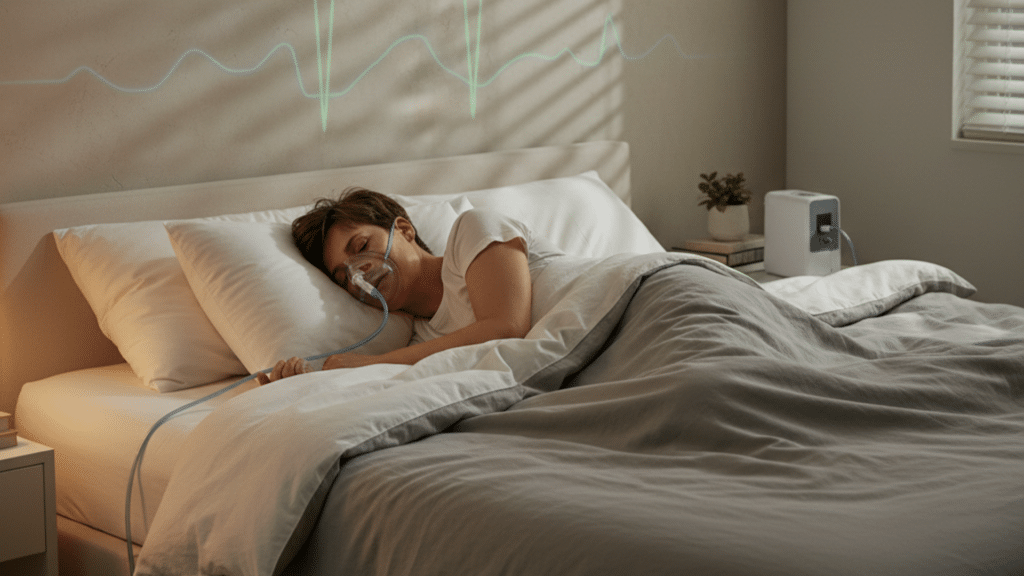
I remember the first time I heard someone mention can you die from sleep apnea in a casual conversation. It sounded serious, yet unclear at the same time.
You may have seen similar claims online or heard them from someone close to you and wondered how real the risk actually is. Sleep apnea affects breathing during sleep, but its impact often gets misunderstood.
Knowing what truly raises concern helps you make calmer, smarter choices about your health. In this blog, I’ll explain what increases danger, who faces a higher risk, and how proper care changes outcomes.
By the end, you’ll have a clearer understanding of if you can die from sleep apnea and why that knowledge matters in daily life.
This content is for informational purposes only. Results and experiences may vary. Always consult a qualified healthcare professional for personalized medical advice and diagnosis.
What Sleep Apnea is and Why It Can Become Dangerous?
Sleep apnea is a sleep disorder marked by repeated pauses in breathing during sleep. These pauses can last several seconds and may occur many times each hour.
When breathing stops, oxygen levels in the blood drop. The body responds by briefly waking to restart breathing, even if the person does not remember it.
Each pause places strain on the heart and blood vessels. Oxygen drops force the heart to work harder, while stress hormones raise blood pressure. Over time, this repeated strain can damage the cardiovascular system and affect blood flow to the brain.
Short-term effects include poor sleep quality, daytime tiredness, and headaches.
Long-term effects develop when the condition remains untreated for years. These include a higher risk of heart disease, stroke, and abnormal heart rhythms that can threaten overall health.
Types of Sleep Apnea and Their Associated Risk Levels
Sleep apnea appears in different forms, and each type affects the body in a unique way. Understanding these differences helps explain why risk levels vary between people.
1. Obstructive Sleep Apnea (OSA)
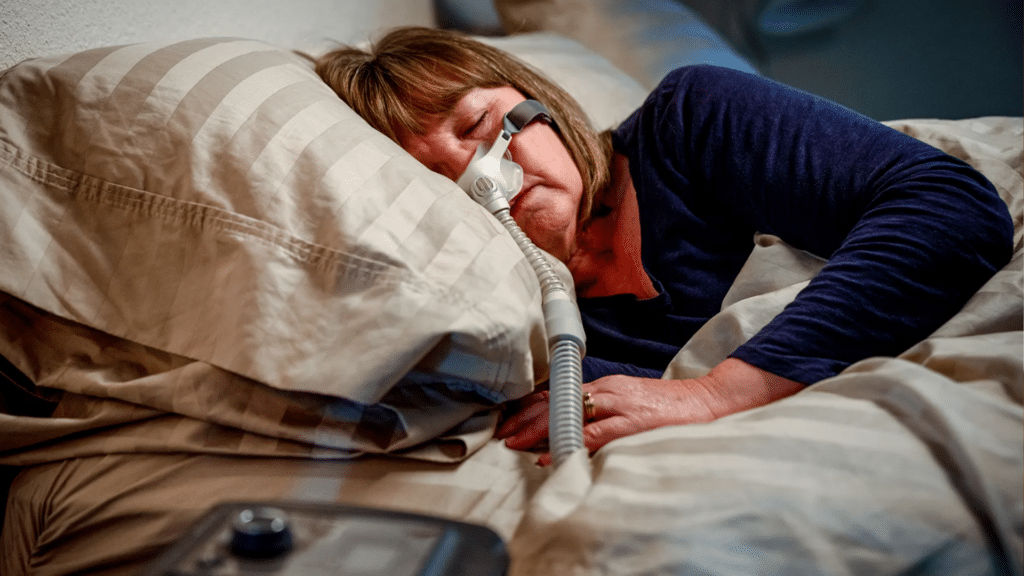
Obstructive sleep apnea is the most common form of the condition. It happens when the muscles in the throat relax too much during sleep, allowing the airway to narrow or close.
When airflow becomes blocked, breathing pauses occur repeatedly through the night. Each pause lowers oxygen levels and forces the body to restart breathing.
Over time, these repeated drops strain the heart and blood vessels. Among all types, this form shows the strongest link to heart disease, irregular heart rhythms, stroke, and heart failure, especially when left untreated.
2. Central Sleep Apnea (CSA)
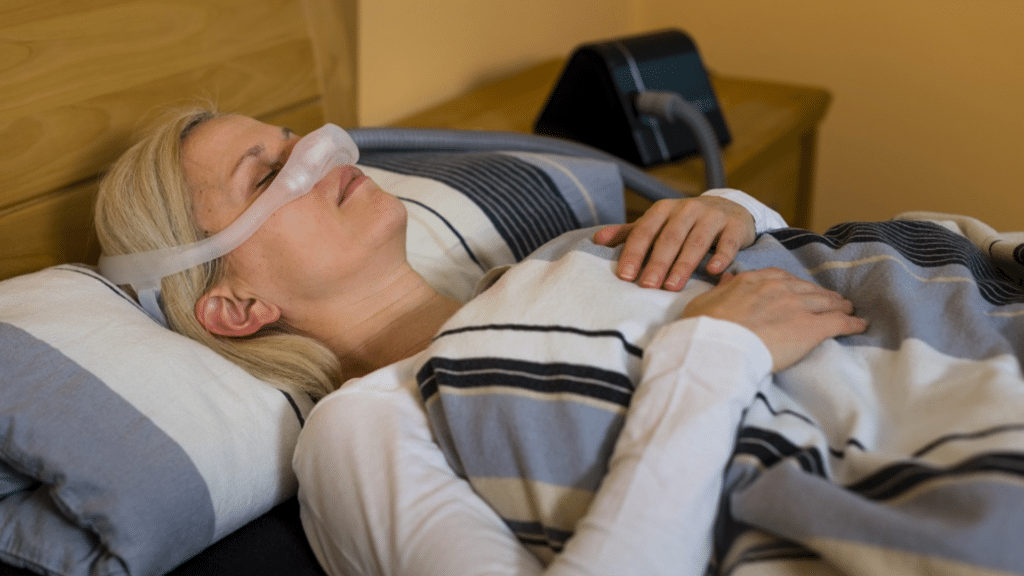
Central sleep apnea occurs when the brain does not send steady signals to the muscles that control breathing.
Unlike obstructive apnea, the airway stays open, but breathing still stops. This form is less common and often appears alongside serious medical conditions. Heart failure, prior stroke, and certain neurological disorders increase the chance of developing it.
Risk becomes higher when central sleep apnea exists with heart disease. In these cases, unstable breathing patterns can worsen heart stress and raise the chance of serious outcomes.
3. Complex Sleep Apnea
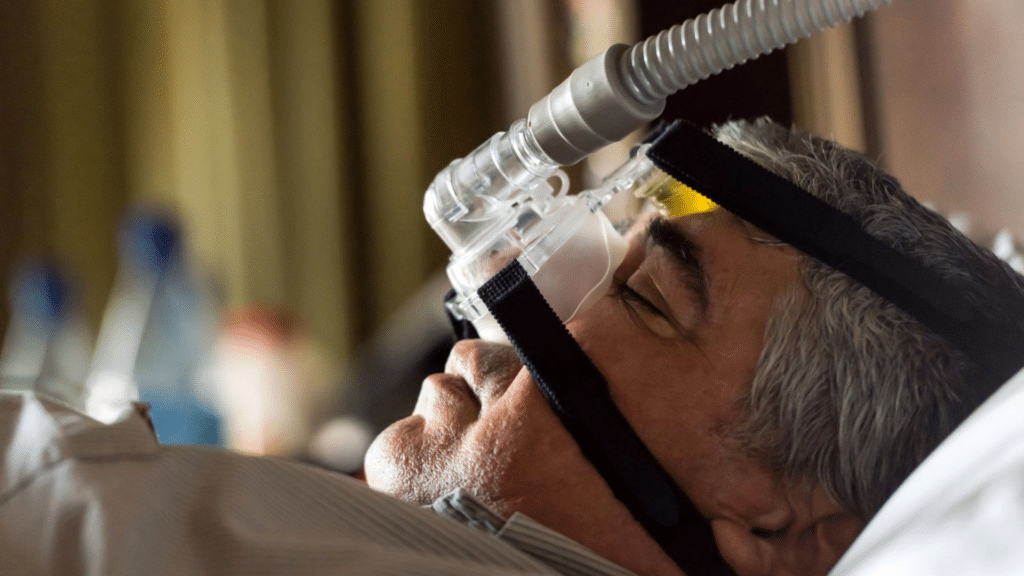
Complex sleep apnea includes features of both obstructive and central sleep apnea.
Breathing pauses may start from airway collapse and continue due to disrupted brain signals. This form is often identified during treatment for obstructive sleep apnea, when central breathing pauses appear after therapy begins.
Because more than one mechanism affects breathing, this type often needs closer follow-up. Care plans may require adjustments over time to keep breathing steady and oxygen levels stable throughout sleep.
Can You Die in Your Sleep From Sleep Apnea?
Death from sleep apnea rarely happens because the airway stays blocked for too long.
In most cases, the body reacts quickly when oxygen levels drop and breathing restarts before suffocation occurs. This automatic response protects the airway, even when pauses happen many times during the night.
The greater risk comes from the effects of sleep apnea on the heart. Repeated drops in oxygen can disrupt normal heart rhythm and place strain on the cardiovascular system.
Over time, this stress raises the chance of sudden cardiac death, especially in people with severe untreated apnea or existing heart disease.
Most fatal events linked to sleep apnea happen because of unstable heart rhythms or heart failure, not because breathing stops completely during sleep.
How Untreated Sleep Apnea Can Lead to Death
The risk builds gradually through repeated stress on the heart and blood vessels caused by disrupted breathing during sleep. Here is a step-by-step look at how you die from sleep apnea and what actually happens inside your body over time:
- Breathing pauses happen many times each night
- Blood oxygen levels drop with each pause
- Stress hormones increase in response
- Blood pressure rises repeatedly
- Heart rhythm control weakens
- The risk of heart attack, stroke, or sudden cardiac arrest increases
Over time, this repeated nightly strain damages your heart and blood vessels, raising the chance of life-threatening complications.
Direct vs. Indirect Death Risk From Sleep Apnea
Sleep apnea affects death risk in two very different ways, and separating them helps reduce confusion and fear. Direct death from sleep apnea, such as suffocation during sleep, is extremely uncommon.
Most breathing pauses end before oxygen levels fall far enough to cause this outcome. The body usually responds by restarting breathing through brief awakenings.
The larger concern involves indirect risk that builds over time. Repeated oxygen drops place stress on the heart, blood vessels, and brain. This strain can lead to heart failure, irregular heart rhythms, and stroke.
Poor sleep quality also causes severe daytime tiredness, increasing the risk of serious accidents.
These indirect effects explain why untreated sleep apnea carries a higher long-term risk, while proper treatment greatly improves safety and overall health outcomes.
Who is at the Highest Risk of Death From Sleep Apnea
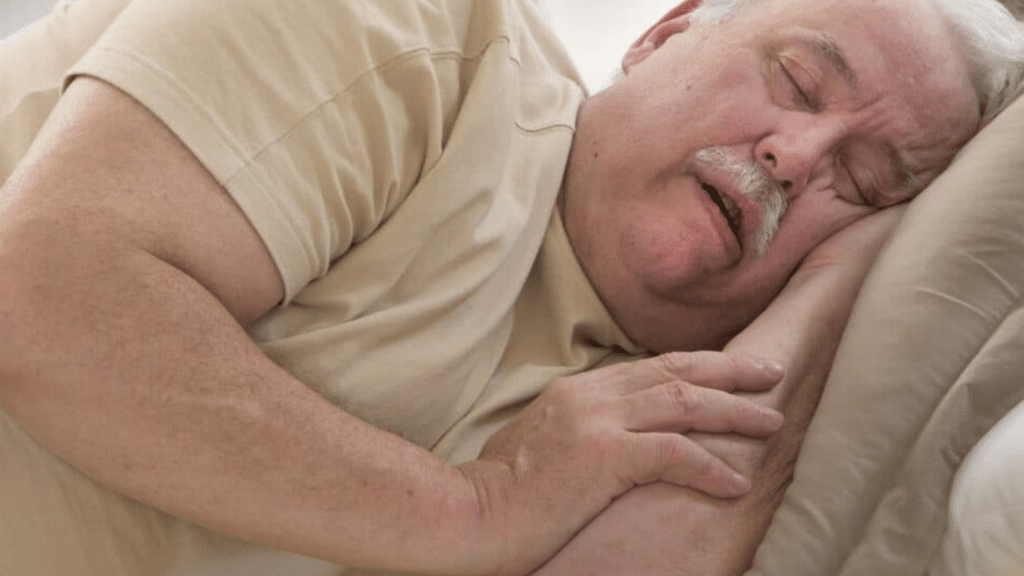
Sleep apnea does not affect everyone the same way. Some people face a much higher risk based on their health and life stage.
- People With Severe Sleep Apnea: Severe cases cause frequent breathing pauses and deep oxygen drops. This puts heavy strain on your heart and raises the risk of heart attack, stroke, and irregular heartbeats.
- Older Adults: If you are over sixty, your heart and blood vessels may handle oxygen drops less well. Recovery from blood pressure changes can be slower.
- People With Heart Disease: Low oxygen levels can worsen existing heart problems. This increases the risk of serious complications.
- People With High Blood Pressure: Sleep apnea can push blood pressure higher at night. Over time, this adds extra strain to your heart and arteries.
- People With Diabetes: Diabetes affects blood vessels and oxygen response. Combined with sleep apnea, it raises the risk of heart disease and stroke.
- Women After Menopause: Hormone changes after menopause can raise your risk of sleep apnea and related heart issues.
- People With Past Stroke or Brain Injury: Oxygen drops during sleep may place added stress on the brain and heart
When sleep apnea overlaps with these risk factors, the overall danger becomes much greater. That is why early diagnosis and proper treatment matter so much.
Why is the Risk of Death Higher at Night?
The risk of death linked to sleep apnea rises at night because several protective systems work differently during sleep. Oxygen levels naturally fall during sleep, and breathing pauses deepen and increase the frequency of those drops.
Each drop places added strain on the heart and blood vessels. During sleep, the body also responds more slowly to distress, which can delay recovery from serious heart rhythm changes.
Certain sleep stages affect heart rhythm control and blood pressure regulation. In people with untreated sleep apnea, repeated breathing pauses during these stages can increase instability in heart function.
Research has shown that serious heart events occur more often during nighttime hours in people with untreated apnea.
The combination of lower oxygen levels, reduced response speed, and heart rhythm sensitivity helps explain why nighttime carries a higher risk.
How Common are Deaths Linked to Sleep Apnea?
Determining how many deaths involve sleep apnea remains difficult. It is rarely listed as the primary cause, even when it plays a major role. Heart disease, stroke, or rhythm problems are recorded instead.
A study published in the Journal of the American Heart Association examined how circadian rhythm affects vascular function in people with untreated obstructive sleep apnea.
It found blood vessel function was most impaired around 3 a.m., which may explain why heart events occur more frequently overnight in untreated cases.
In severe, untreated cases, the overall death risk can be nearly three times higher than in people without sleep apnea or those receiving proper treatment.
How Treatment Changes the Risk Over Time
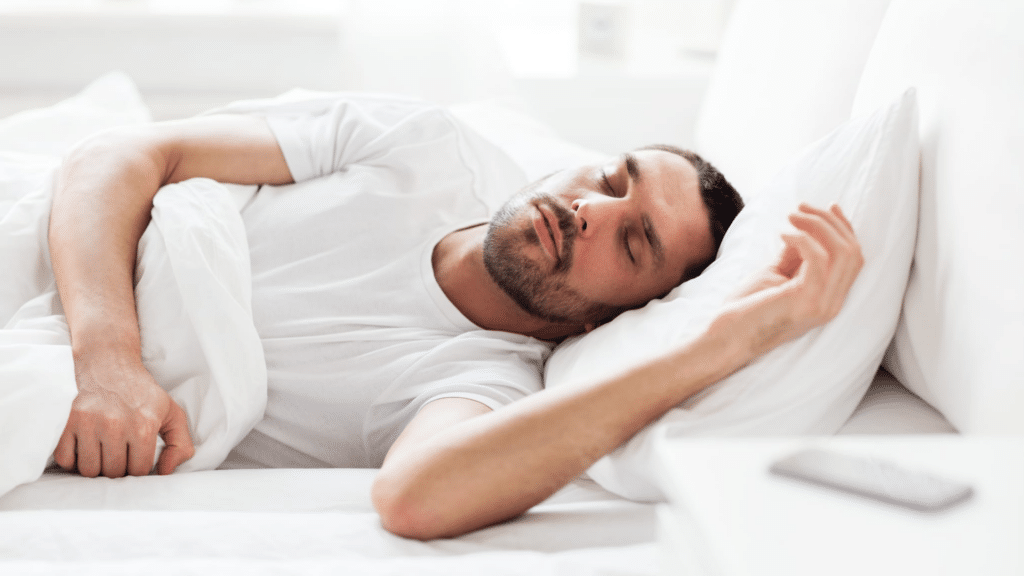
Treatment improves breathing during sleep and reduces ongoing stress on the heart, helping lower serious health risks gradually with consistent use.
| Timeframe | What Gets Better | Heart Impact | Daily Impact |
|---|---|---|---|
| First Weeks | Breathing steadies, and oxygen levels stay higher | The heart gets less stressed with each night of treatment | You feel more alert and less fatigued during the day |
| After Several Months | Blood pressure improves, and heart rhythm stabilizes | Heart strain decreases noticeably with consistent use | Energy levels rise, and daytime functioning improves |
| Long Term (1–3+ Years) | Risk of heart attack and stroke drops significantly | Overall, cardiovascular health becomes more stable | Daily quality of life improves with lower long-term health risks |
Consistent treatment protects your heart, improves daily energy, and steadily lowers long-term health risks over time.
Warning Signs You Should Not Ignore
These symptoms may suggest sleep apnea and should prompt further evaluation, especially when several appear together or worsen over time.
- Loud, ongoing snoring most nights
- Breathing pauses, choking, or gasping during sleep
- Severe daytime tiredness or falling asleep easily
- Morning headaches that occur often
- Trouble with memory, focus, or attention
- High blood pressure that remains difficult to manage
Should You Get Tested for Sleep Apnea Now?
Testing becomes important when symptoms appear together or continue over time. Loud snoring combined with breathing pauses, severe daytime tiredness, or morning headaches raises concern more than any single symptom alone.
Risk also increases when these signs exist alongside other factors such as high blood pressure, heart disease, diabetes, or a past stroke. This layering of symptoms and health conditions increases the chance that sleep apnea is affecting overall health.
Certain warning signs call for faster evaluation, including extreme daytime sleepiness, repeated choking during sleep, or blood pressure that remains high despite treatment.
Testing options include home sleep studies and lab-based sleep studies. Home testing may suit straightforward cases, while lab studies offer deeper monitoring when symptoms or health history are more complex.
Things Sleep Apnea Rarely Does to Most People
A sleep apnea diagnosis can feel alarming, but certain outcomes are unlikely for most people.
- Rarely causes immediate death on its own
- Breathing pauses alone almost never trigger sudden fatal events without other health conditions
- Worsening rapidly after treatment begins is not common
- Stabilized breathing keeps oxygen levels steady and reduces heart strain
- Most people with consistent care manage daily life without major limits
Proper treatment and follow-up care help you maintain steady health and reduce serious long-term risks.
Final Words
Sleep apnea carries real health risks, but the details make all the difference. Leaving it untreated can strain the heart over time, while steady care lowers those risks in meaningful ways.
I’ve shared how breathing pauses affect the body, who faces greater danger, and why treatment plays such a strong role in long-term safety.
The most practical takeaway is simple: taking action early supports better outcomes than worry alone. If symptoms start adding up, seeking care sooner helps protect your health.
I hope this clarified if you can die from sleep apnea and what truly influences that risk. If this helped, take a moment to check out other blogs here for clearer, more useful health guidance.