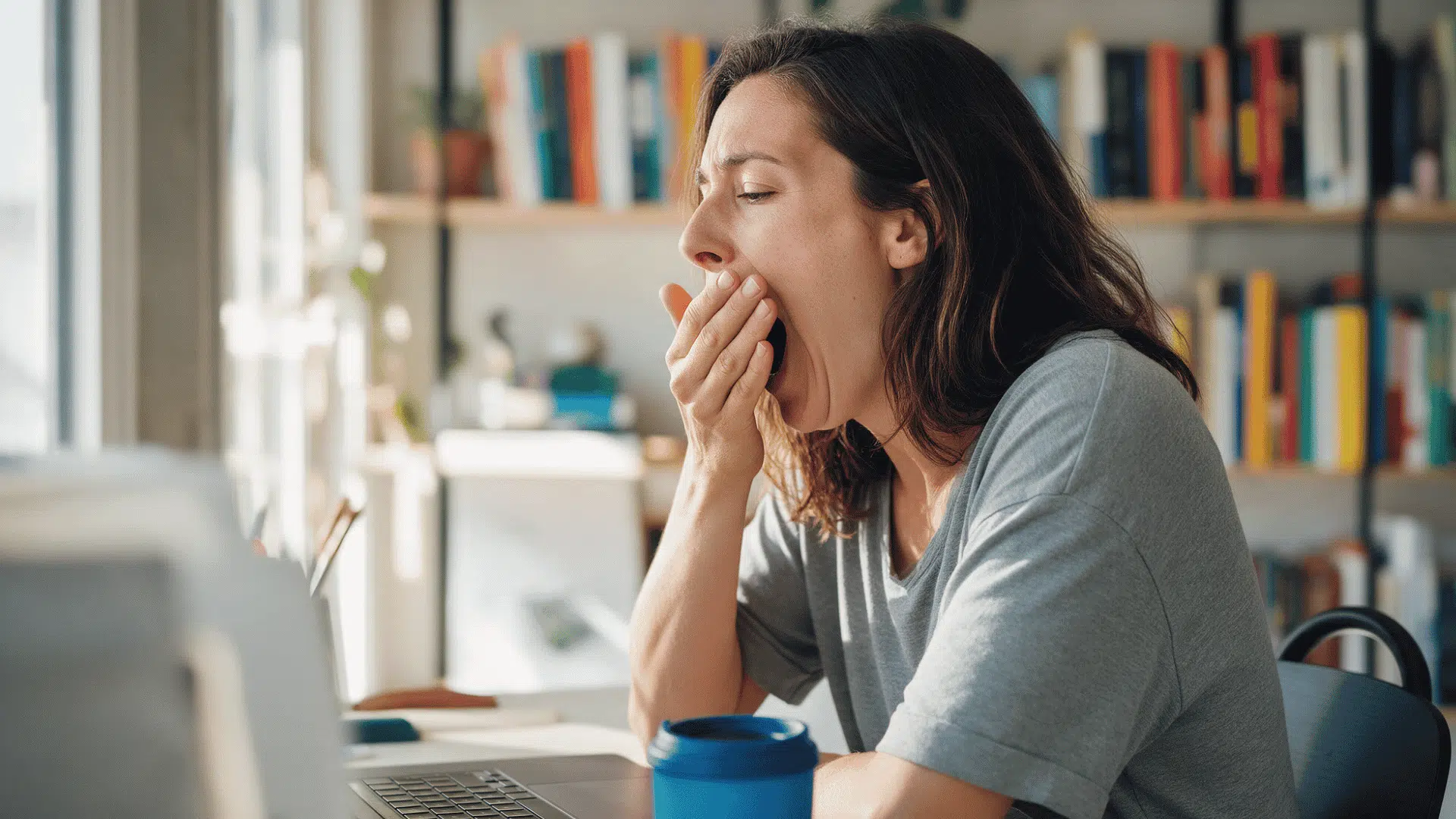


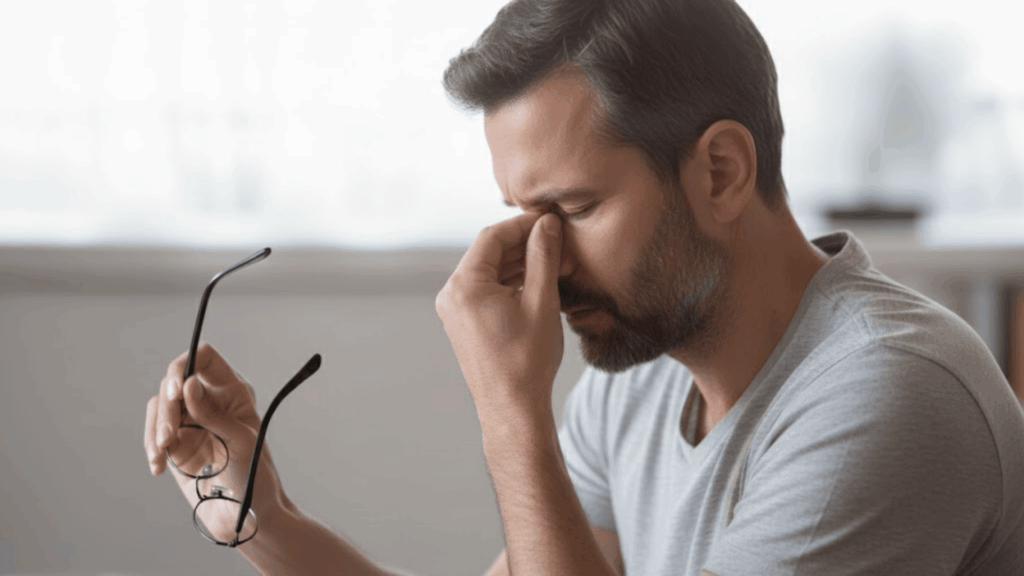
Waking up with tired, puffy, or blurry eyes can feel frustrating. I get it. You look in the mirror, and you’re thinking, “Why do my eyes look like this?”
This lack of sleep can show up as dark circles, dryness, redness, or even blurry vision. And it’s not only about how you look.
When you’re not sleeping well, your eyes may feel gritty, itchy, or extra sensitive to light. You might also struggle to focus during the day, especially on screens.
In this blog, I’ll walk you through the common signs, why sleep matters for your vision, and simple steps you can try to help your eyes feel better.
The Common Signs of ‘Lack of Sleep’ Eyes
When your body misses out on sleep, your eyes are often the first to show it. Some signs appear after one bad night, while others show up when poor sleep happens often.
- Dark circles under the eyes
- Puffy eyelids or swelling
- Dry, itchy, or gritty feeling
- Red or bloodshot eyes
- Blurry or unfocused vision
- Eye twitching or spasms
- Sensitivity to bright light
These signs appear because sleep loss reduces tear production, increases inflammation, and leaves eye muscles overworked, making it harder for the eyes to stay comfortable and focused.
Why Sleep is So Important for Eye Health?
Sleep is like repair time for your eyes. While you sleep, your eyes get a chance to restore moisture and tear balance, which helps them stay comfortable and clear.
Sleep also helps reduce inflammation, so your eyes are less likely to look red or feel sore.
At the same time, your eye muscles can relax, which supports better focusing the next day, and the surface of the eyes can recover from daily strain caused by screens, reading, and dry air.
When sleep is too short, your eyes often make fewer tears, and the tears you do make may be salty and unstable. This can lead to dryness, burning, and irritation.
How Lack of Sleep Affects Your Eyesight
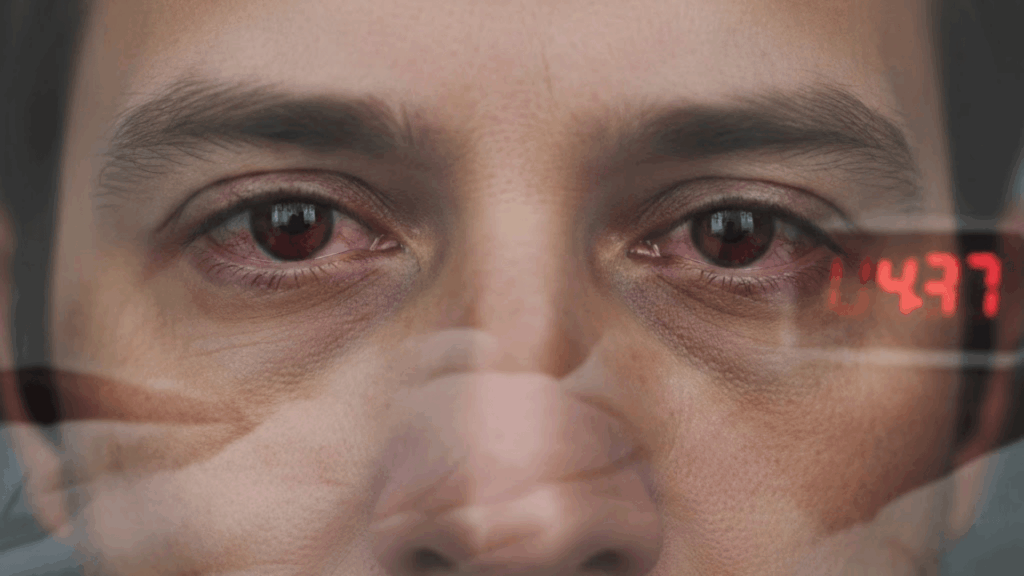
Sleep plays a big role in keeping your vision clear. During sleep, your eyes rebuild the tear film that protects the eye surface.
This tear film has three layers: oil, water, and mucus, and poor sleep disrupts all three, causing faster tear evaporation and dryness.
1. Short-Term Effects on Eyesight
When sleep is short, the eyes and brain do not work together as smoothly. This can cause trouble focusing, especially when reading small text or switching between near and far objects.
Blurred vision may also show up because tired eye muscles struggle to keep things sharp. Many people feel eye strain while reading or using screens, with soreness around the eyes or a heavy, tired feeling after even a short time.
Bright lights can feel harsher too, leading to increased light sensitivity, where sunlight, car headlights, or phone screens feel more uncomfortable than usual.
2. Long-Term Effects of Poor Sleep Continue
- Ongoing dry eye problems
- Higher risk of eye infections
- Increased chance of serious eye conditions
Over time, repeated sleep loss can damage the eye’s protective surface. Chronic dryness develops when the tear glands stop producing enough quality tears.
Inflammation may also raise eye pressure, which is why long-term poor sleep, especially with sleep apnea, has been linked to a higher risk of glaucoma.
Quick Overview: How Eye Changes from Poor Sleep
The table below shows how sleep loss affects your eyes and how it feels.
| Sleep Problem | What Happens to Your Eyes | How It Feels |
|---|---|---|
| Reduced sleep | Less tear production | Dry, burning eyes |
| Poor sleep quality | Inflammation increases | Red, sore eyes |
| Eye muscle fatigue | Weak focusing ability | Blurry vision |
| Stress and tired nerves | Muscle spasms | Eye twitching |
| Poor blood flow | Fluid buildup | Puffy eyelids |
These changes explain why eyes look and feel worse after poor sleep.
Can Lack of Sleep Lead to Serious Eye Problems?
Short sleep once in a while is usually not dangerous. But when sleep stays low for weeks or months, the eyes may not get enough time to heal and reset.
Over time, this can raise the risk of chronic dry eye disease, where dryness becomes frequent and causes burning, stinging, or a gritty feeling. Long-term poor sleep may also increase the risk of glaucoma, especially in people with sleep apnea.
Poor sleep can also lead to a higher chance of eye infections, since tears help wash away germs and sleep supports immunity. Sleep apnea matters because low oxygen during sleep can affect eye pressure and optic nerve blood flow.
The Connection Between Sleep Apnea and Eye Health
Sleep apnea not only affects energy levels during the day, but it can also affect eye health in important ways.
| Sleep Apnea Effect | How It Impacts Eye Health |
|---|---|
| Repeated breathing pauses | Lower oxygen levels reduce nourishment to the eye tissues |
| Poor deep sleep | Eyes get less time to recover and repair overnight |
| Reduced oxygen flow | Can raise eye pressure and strain the optic nerve |
| Long-term sleep disruption | Increases the risk of glaucoma |
| Ongoing oxygen drops | May cause changes in the eyelids or retina |
| Proper treatment | Often improves eye-related symptoms and lowers long-term risks |
If sleep apnea is suspected, getting checked and treated can support better sleep and help protect vision over time.
What Research Says About Sleep and Eye Health
Studies show that sleep deprivation reduces tear secretion and increases inflammation on the surface of the eye.
According to the American Academy of Ophthalmology, ongoing sleep problems and sleep-related disorders may also raise the risk of long-term eye conditions, including chronic dry eye and glaucoma.
Deep, restful sleep allows the eyes to restore moisture, reduce strain, and support healthy eye pressure.
When sleep is disrupted night after night, these repair processes do not work as effectively, which can affect both comfort and vision over time.
Tips to Help Your Eyes Recover from Sleep
Small daily habits can make a big difference for tired eyes, especially when sleep has been off for a few days.
The goal is to help your eyes feel comfortable again while also fixing the sleep pattern that caused the problem.
- Aim for 7–9 hours of sleep each night
- Keep a regular sleep schedule (same sleep and wake time)
- Use a cold compress to reduce puffiness
- Drink enough water during the day
- Use lubricating eye drops if dryness is common
- Limit screen time before bedtime
- Remove contact lenses before sleeping
Recovery depends on how long sleep loss has lasted. After one bad night, most eye symptoms improve within 1–2 days.
If poor sleep has gone on for several weeks, recovery may take longer. With chronic sleep deprivation, some eye problems may not fully settle without medical care, so an eye checkup can be a smart step.
When to See an Eye Doctor:
- Blurry vision that doesn’t clear
- Ongoing eye pain or pressure
- Frequent infections
- Light sensitivity or discomfort
- Vision changes in one or both eyes
Regular eye exams can help catch problems early and protect your eyesight.
Final Thoughts
By now, you’ve seen how ‘lack of sleep’ eyes can affect more than your appearance. I covered the common signs like dryness, redness, puffiness, twitching, and blurry vision, plus why sleep helps your eyes reset.
You also picked up a few simple habits that can support recovery, like keeping a steady sleep schedule, cutting screen time at night, and using drops if your eyes feel dry.
If your symptoms keep coming back or feel intense, it’s smart to listen to your body and talk with an eye doctor. Your eyes do a lot for you every day, and good rest helps protect them.
If you want more helpful tips, check out my other blogs on the website.