I’ve noticed that a few nights before my period, I wake up drenched in sweat, and I am pretty sure that I’m not the only one who does.
Night sweats before your period are more common than many people think, and they’re usually linked to the hormonal changes that happen during your cycle.
I’ll break down why this happens, how fluctuations in estrogen and progesterone can affect your body temperature, and why the hypothalamus, the part of your brain that controls heat, might get a little confused.
I’ll also cover other factors that can trigger night sweats, signs to watch for that may need medical attention, and practical tips to manage them so your sleep isn’t constantly interrupted.
What are Night Sweats?
Night sweats are episodes of excessive sweating that happen while you’re asleep. You might wake up with damp sheets or soaked pajamas, even if the room isn’t particularly warm.
If you’ve ever wondered, why do I sweat in my sleep? Night sweats can have several causes, including hormonal changes, stress, infections, or certain medications.
In the context of your menstrual cycle, night sweats before your period are usually normal and linked to hormone shifts, especially changes in estrogen and progesterone.
However, not all night sweats are harmless. If they’re persistent, very intense, or accompanied by other unusual symptoms, such as unexplained weight loss or fever, it’s important to talk to a healthcare provider to rule out underlying issues.
Night Sweat Before Periods: Hormonal Cause
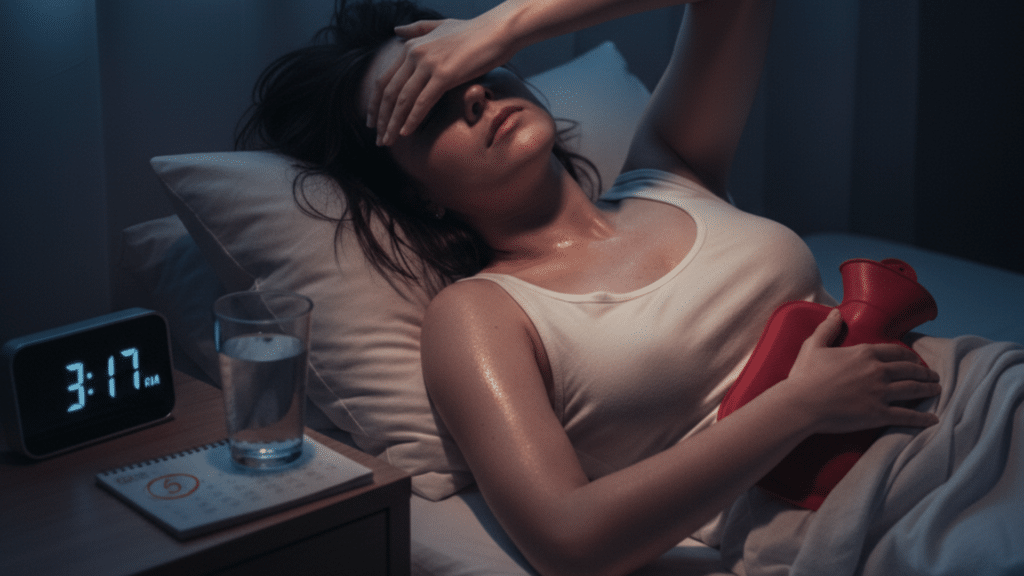
If you’ve ever woken up sweating before your period, don’t worry, there’s no need to panic. It’s very normal due to the natural hormonal shifts that happen during your cycle.
1. The Role of Progesterone and Estrogen
As your body prepares for your period, progesterone and estrogen are doing a little back-and-forth dance. After ovulation, progesterone levels rise, which can slightly increase your body temperature.
Then, just before your period starts, estrogen levels take a fall. These hormonal changes can make your body feel warmer, leading to night sweats.
2. Effect on Your Brain
Now, your hypothalamus, the part of your brain responsible for regulating body temperature, can get thrown off by these hormone changes.
When the hormones drop suddenly, your brain might think your body is overheating, even when you’re asleep. This is when sweating kicks in to cool you down.
3. Other PMS Symptoms
This temperature change is just one of the many symptoms you might experience during PMS. Along with night sweats, you might also notice
- mood swings
- bloating
- headaches
- crampsthese
These are all part of your body’s natural way of preparing for your period to start.
So, while night sweats before your period can be annoying, they’re just a sign of the hormonal changes your body is going through. Understanding why it happens can help you manage it a bit better.
Night Sweats Before Your Period: Physiological Causes
While hormonal shifts are the most common cause of night sweats before your period, other physiological changes can play a role as well.
1. Blood Sugar Fluctuations
Your blood sugar levels can also affect how well you sleep. If your blood sugar drops too low during the night, your body might react by sweating to raise it back up.
This can happen more frequently if your diet is high in sugar or if you’re dealing with insulin resistance. Keeping a balanced diet reduces the chances of night sweats.
2. Stress and Anxiety
Stress and anxiety are also major players in disrupting your body’s normal rhythm. When you’re stressed, your body releases more of the hormone cortisol, which can increase your heart rate and body temperature.
This can make you more likely to sweat at night. Stress from work, school, or personal life can make night sweats more frequent.
3. Perimenopause or Early Menopause
For some, night sweats before the period may not be linked to PMS at all, but rather to the beginning stages of perimenopause or early menopause.
During these stages, hormone levels fluctuate more drastically, which can cause hot flashes and night sweats, even in younger women who are not yet in their 40s or 50s.
How to Manage Night Sweats Before Your Period
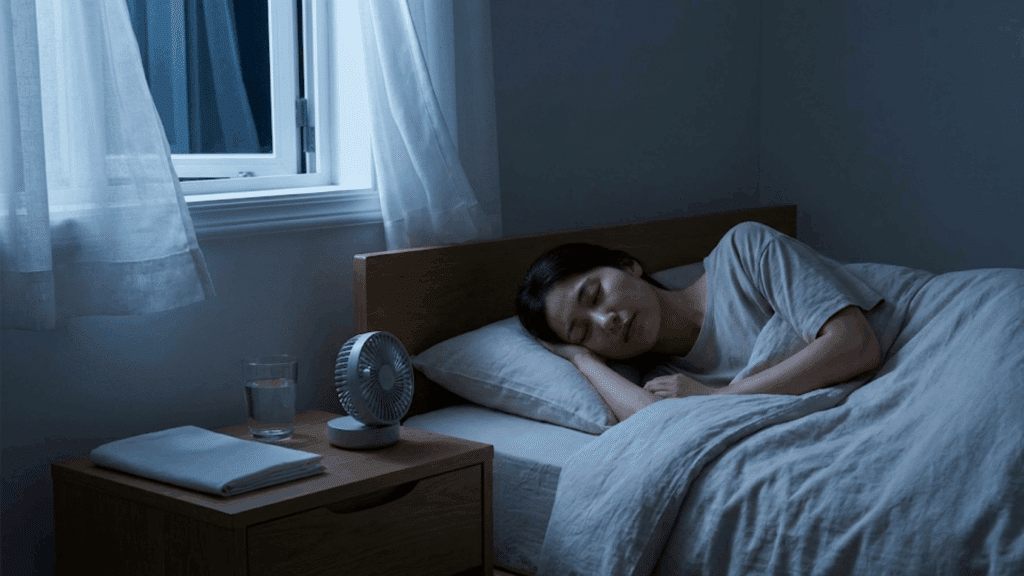
While night sweats before your period can be annoying, there are simple steps you can take to make them more manageable.
Keep your bedroom cool by maintaining a temperature between 60-67°F (15-20°C) and use breathable fabrics like cotton for your sheets and pajamas.
Stay hydrated by drinking at least 8 cups of water a day to help your body manage temperature changes. Avoid spicy, fatty, or heavy meals close to bedtime, and opt for lighter, easily digestible foods.
Incorporating more plant-based foods like fruits, vegetables, and whole grains can help support hormonal balance.
Relaxation techniques like deep breathing or stretching can help lower cortisol levels and reduce sweating. By following these tips, you can get a better night’s sleep.
Signs You Should See a Doctor
If you’re experiencing night sweats before your period and they are affecting your sleep or overall health, it’s important to monitor the severity and any accompanying symptoms. Here are some key signs that might indicate you should seek medical advice:
- Persistent or severe night sweats: If night sweats disrupt your sleep or are unusually intense, it’s important to consult a doctor.
- Underlying conditions: Night sweats can sometimes signal issues like primary ovarian insufficiency (POI) or other hormonal imbalances.
- Additional symptoms: If you experience unexplained weight loss, fever, or excessive fatigue, it’s a good idea to get checked out.
- Doctor’s role: Your healthcare provider, like an OBGYN Alpharetta, can help determine if the night sweats are related to your menstrual cycle or something else.
If any of these apply to you, it’s always best to consult with a healthcare professional to ensure everything is okay.
Summing Up
Experiencing night sweats before your period can be uncomfortable, but in most cases, it’s a normal part of your cycle.
Your body is adjusting to the rapid drop in estrogen and progesterone, which can temporarily raise your body temperature while you sleep.
I’ve found that keeping my room cool, staying hydrated, and wearing light pajamas really helps manage the sweats. Tracking your cycle and symptoms can also help you predict when night sweats might occur.
Of course, if the sweating is severe or accompanied by other concerning signs, it’s smart to talk to a doctor. By understanding what’s happening, you can feel more in control and get better sleep during those pre-period nights.
Comment below if any of your questions remain unanswered or if you just want to share your personal experience.