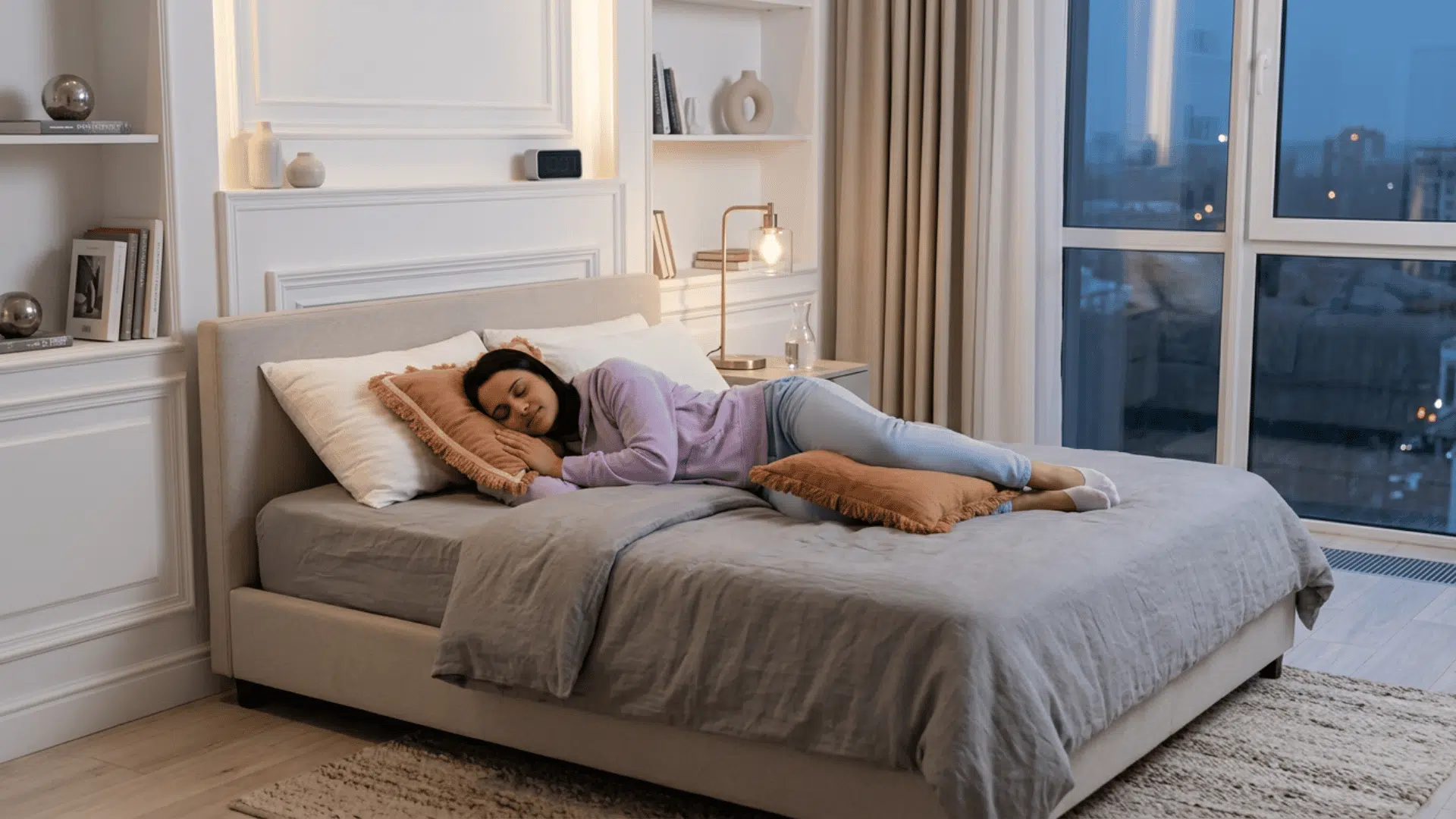
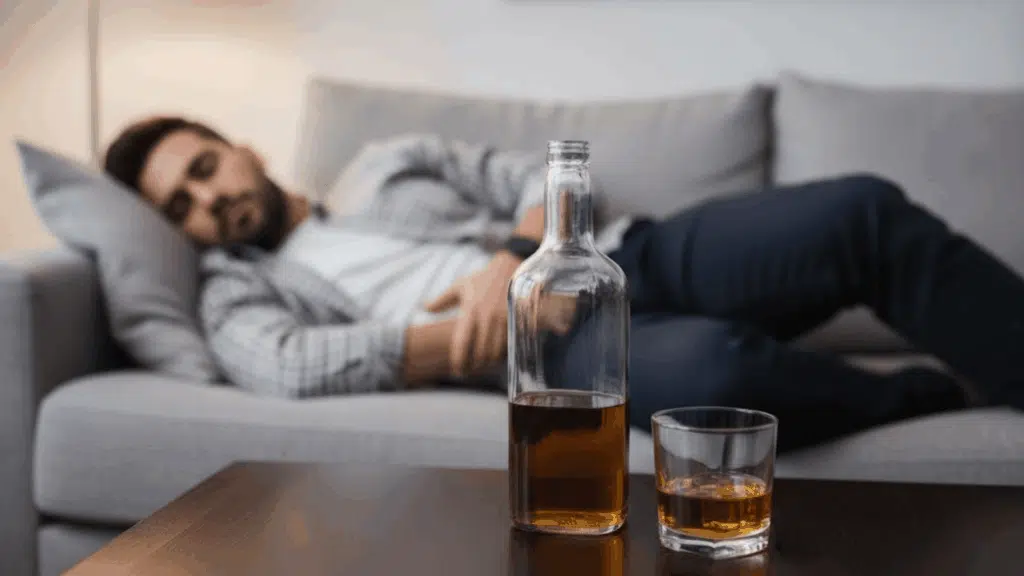
Alcohol can feel like a quick off switch. One minute you’re chatting, and the next your eyes feel heavy. If you’ve ever wondered, ” Does alcohol make you sleepy, you’re not alone. I’ve seen so many people ask the same thing.
Here’s the tricky part: alcohol can make you feel drowsy at first, but it can also mess with your sleep later. So even if you fall asleep fast, you might wake up tired, foggy, or wide awake at 3 a.m.
In this blog, I’ll break it down in simple terms. You’ll learn why alcohol makes you sleepy, how it changes REM sleep, why you’re sometimes sleepy and sometimes wired, and what you can do to sleep better after drinking.
Why Does Alcohol Make You Feel Sleepy?
Alcohol slows down the brain. That’s the main reason it causes sleepiness. Alcohol is a central nervous system depressant, which means it reduces brain activity. This creates a calm, relaxed feeling that often leads to drowsiness.
Alcohol also affects two important brain chemicals:
- GABA: tells the brain to slow down and relax
- Adenosine: builds sleep pressure and makes the body feel tired
Together, these changes can make eyelids heavy and thoughts slow.
Alcohol also enters the bloodstream quickly. Within minutes, the calming effect begins. That’s why even one or two drinks can cause sudden sleepiness, especially at night or after a long day.
How Alcohol Disrupts Sleep Later at Night
Once the body starts breaking down alcohol, the trouble often begins. Sleep may turn lighter, more broken, and less refreshing, especially in the second half of the night.
1. Less REM Sleep (Dream and Recovery Sleep)
REM sleep helps with memory, learning, mood, and feeling refreshed. Alcohol can cut down REM sleep, especially later in the night when the sedating effect wears off.
With less REM, sleep feels less “restoring,” so mornings can feel foggy, slow, and low-energy even after enough hours in bed.
2. More Nighttime Awakenings
As alcohol leaves the system, the body can shift into a more “alert” mode. Stress hormones may rise, heart rate can increase, and brain activity can speed up.
This often leads to waking up more during the night, tossing and turning, and having trouble getting back to deep sleep for long stretches.
3. Bathroom Trips and Dehydration
Alcohol is a diuretic, meaning it makes the body release more water through urine. That can cause extra bathroom trips and more sleep breaks.
Each wake-up can pull the body out of deeper sleep stages. On top of that, dehydration can make sleep feel less comfortable and leave the body feeling more tired the next day.
Does Alcohol Make You Sleepy the Next Day?
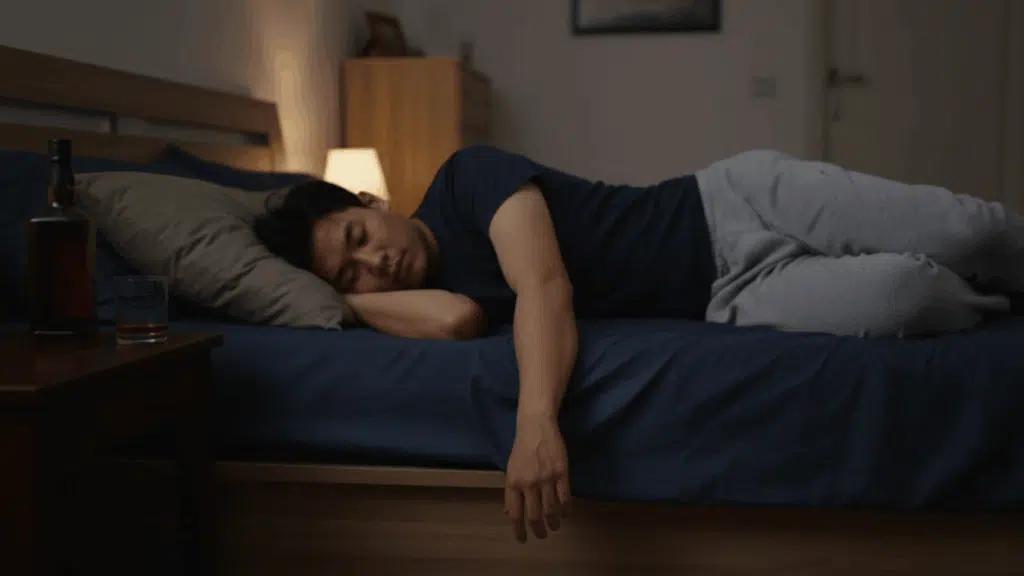
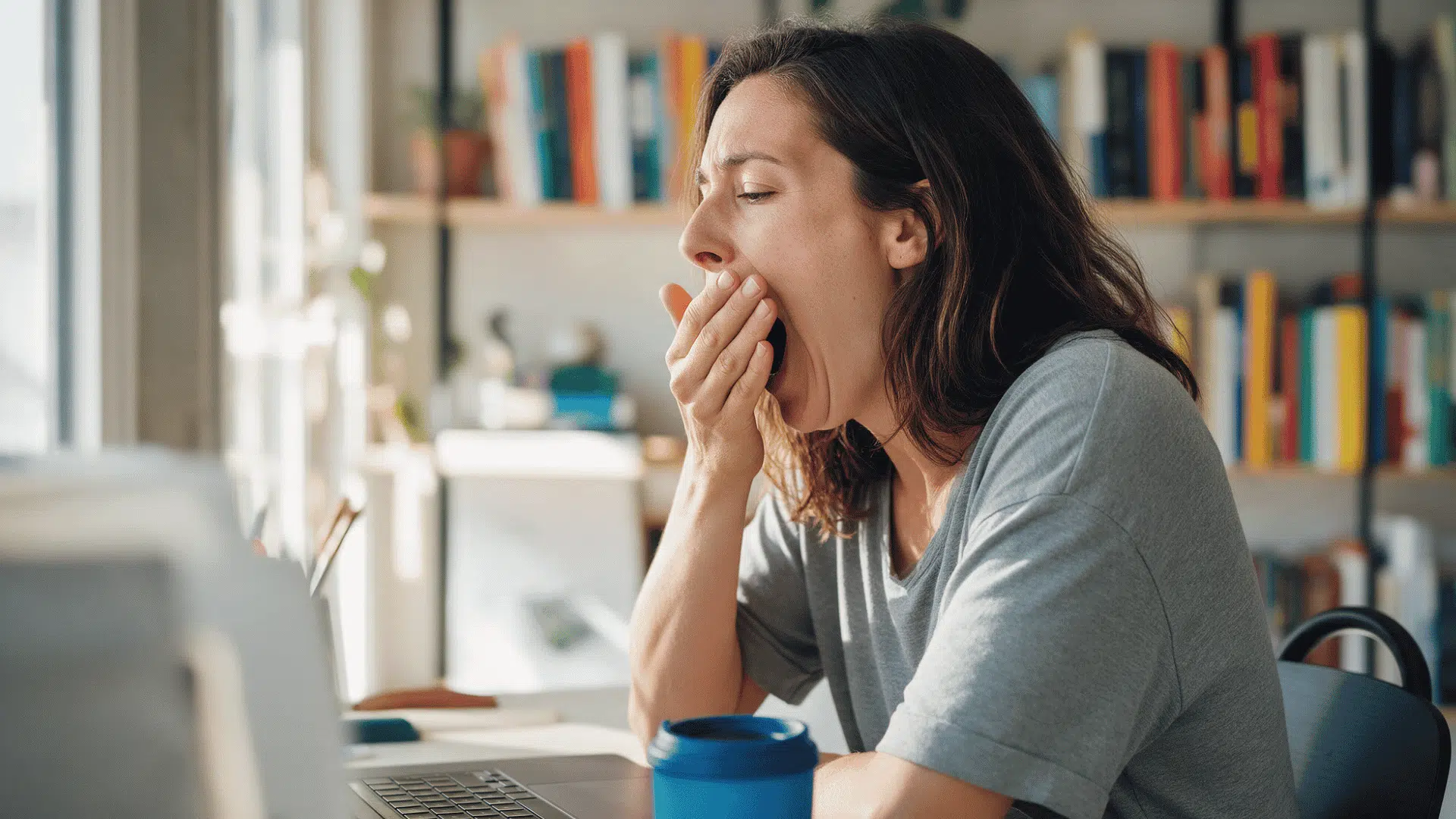
Yes, and this is often called alcohol-related fatigue. Even when alcohol is no longer in the body, the effects can still show up the next day because sleep quality was poorer.
The brain may have missed deep sleep and REM sleep, and the body may also be dealing with mild dehydration and disrupted sleep timing.
This can lead to:
- Low energy
- Poor focus
- Heavy eyes
- Slow thinking
- Irritability or low mood
- Headache or “foggy” feeling
Sleeping longer does not always fix it. A longer night with broken sleep still feels tiring. That’s why sleep quality matters more than the total hours after drinking.
What Happens When You Sleep High vs Sleeping Drunk?
This question comes up often, so it helps to look at the difference in a simple way.
| Effect | Sleeping After Alcohol | Sleeping High |
|---|---|---|
| Fall asleep | Faster | Faster for some |
| REM sleep | Reduced | Altered |
| Night waking | More common | Less common |
| Morning clarity | Poor | Can vary |
Both substances change sleep stages. Mixing them makes sleep quality worse and increases next-day fatigue.
What to Drink to Last Longer in Bed?
When people ask what to drink to last longer in bed, the best “drink strategy” is usually not a magic beverage. It’s about hydration, steady energy, and better sleep, because tiredness and dehydration can lower stamina.
- Water: Dehydration can cause fatigue and headaches. Water supports blood flow and overall energy.
- Electrolyte drink (low sugar): Helpful after sweating or alcohol intake, since electrolytes support hydration balance.
- Beetroot juice (optional): Some people use it to support circulation because it contains nitrates.
- Green tea (earlier in the day): A gentle lift for energy, but avoid it close to bedtime.
Real-Life Experiences: Why Alcohol Makes Some People Sleepy
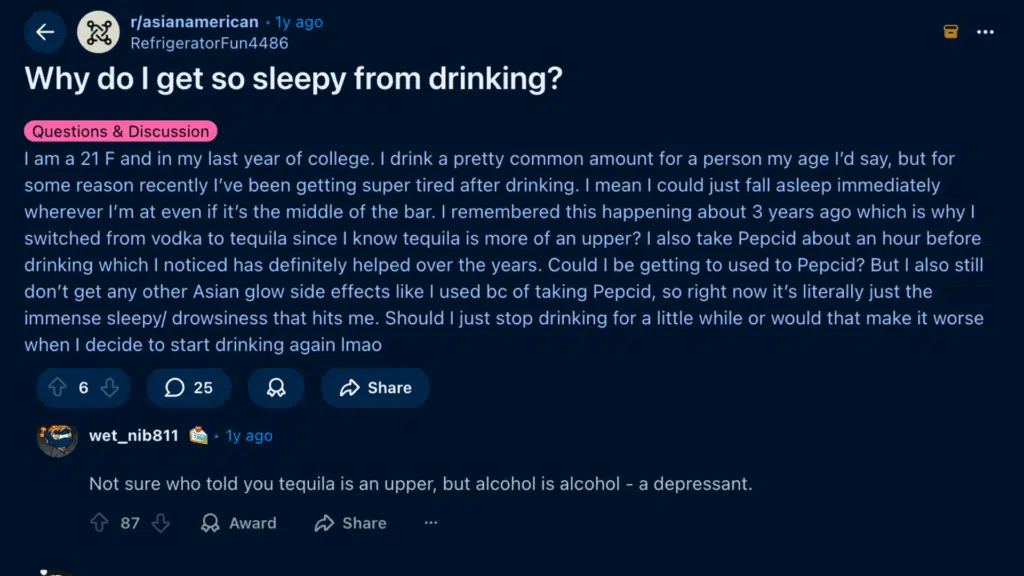
In one popular community thread, a college student shared that even a few drinks can bring sudden, heavy sleepiness, sometimes enough to fall asleep anywhere, even in a bar.
Many replies pushed back on the idea that tequila is an “upper,” saying all alcohol is a depressant, so drowsiness can be a normal effect after the early “looser” feeling fades.
A few commenters also noted that stomach medicines like Pepcid may change how alcohol is absorbed for some people, which could make the effects feel stronger.
Others added real-life factors: sugary mixers can cause a blood-sugar spike and crash, drinking on an empty stomach hits faster, and tolerance can shift over time. Several people urged getting medical advice instead of guessing, as discussed in this community conversation on Reddit.
If alcohol causes extreme sleepiness, slowing down and checking with a doctor is a safer choice.
Tips for Sleeping Better After Drinking
Sometimes drinking happens, and that’s okay. What matters most is making the rest of the night easier on the body, so sleep doesn’t get completely thrown off. These steps can reduce sleep damage:
- Stop drinking early: Give the body time to process alcohol before bedtime.
- Skip caffeine and fizzy mixers: Caffeine can keep the brain alert, and carbonation can make alcohol absorb faster.
- Drink water before bed: Helps with hydration and may reduce next-day fatigue.
- Use the bathroom right before sleep: Can lower the chances of waking up for bathroom trips.
- Keep the room dark and cool: A calm sleep space makes it easier to fall back asleep if waking happens.
These steps won’t fix everything, but they can help limit sleep disruption.
When to See a Doctor?
Sleep problems deserve attention when they happen often.
Talk to a doctor if there is loud snoring or gasping, regular nighttime awakenings, constant daytime exhaustion, or dependence on alcohol to fall asleep.
With the right support, sleep can improve, and you can feel more refreshed.
Final Takeaway
You already know the feeling: a drink can make your body feel relaxed, then sleep ends up messy anyway.
If you were asking, does alcohol make you sleepy, now you also know why that sleepy feeling doesn’t always lead to good rest. The real problem is what happens later: lighter sleep, more wake-ups, and a tired next day, even after “enough” hours.
I hope this helped you connect the dots between what you feel at night and how you feel in the morning. If you want better sleep after a night out, focus on timing, water, and a calmer wind-down routine.
For more simple guides like this, check out my other blogs for extra tips and fresh ideas.