

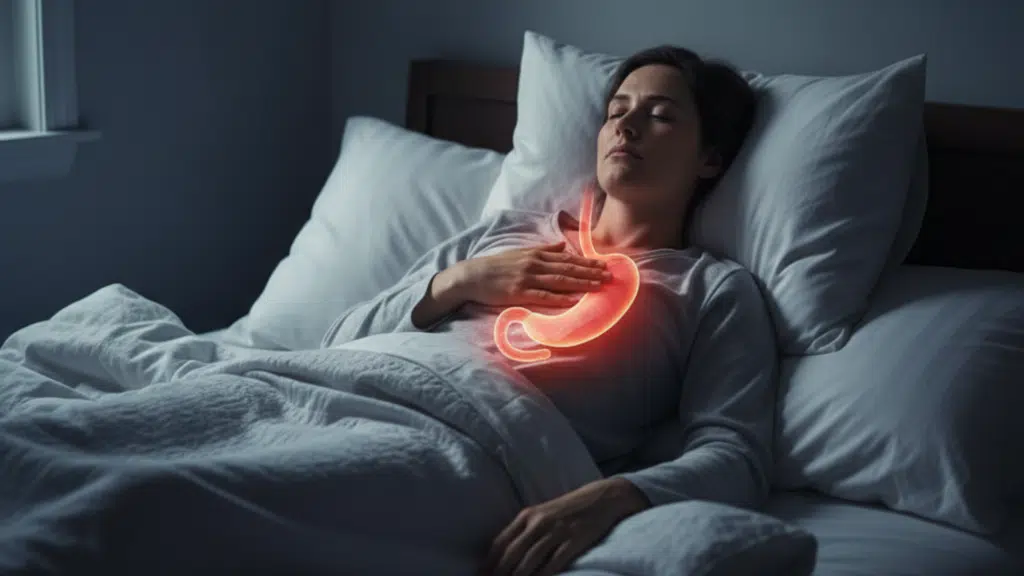
I’ve talked to many people who wake up at night coughing, choking, or feeling chest burning and panic right away.
That fear often leads to searching about whether you can die from acid reflux in your sleep or even wondering if you can die in your sleep from a reflux episode.
The confusion comes from how intense nighttime symptoms can feel, even when the risk is low. Knowing what reflux can and cannot do helps you react calmly and make better health choices.
In this blog, I break down what medical research actually shows, why symptoms feel worse at night, and which signs deserve attention.
By the end, you will better understand whether you can die from acid reflux in your sleep and how to protect yourself moving forward.
Is Acid Reflux Dangerous While You Sleep?
Multiple large medical reviews have found no evidence that acid reflux alone causes sudden death during sleep in healthy people.
This helps explain why concerns about can acid reflux killing you are often based on fear rather than medical data.
American Journal of Gastroenterology (El-Serag et al.): This population-based study evaluated mortality outcomes in patients with GERD. It found no evidence that GERD directly causes sudden cardiac or respiratory failure. Increased mortality, when present, was mainly linked to associated conditions such as cardiovascular disease rather than reflux itself.
Gut Journal – Reflux-Related Mortality Review: This review analyzed deaths associated with GERD and its complications. The authors concluded that GERD-related mortality is typically linked to long-term outcomes, including esophageal bleeding, strictures, and cancer. Importantly, the review found no support for sudden nighttime death caused solely by acid reflux.
Chest Journal – Aspiration Pneumonia Research: Studies published in Chest show that aspiration pneumonia can occur when refluxed gastric contents enter the lungs, often during sleep. However, this condition develops gradually and primarily affects older adults, neurologically impaired patients, or those with swallowing disorders, not healthy individuals.
American College of Gastroenterology (ACG) Clinical Guidelines: ACG guidelines state that untreated GERD may increase the risk of erosive esophagitis, strictures, Barrett’s esophagus, and aspiration-related complications. However, the guidelines clearly indicate that sudden death directly caused by acid reflux has not been documented in clinical or epidemiological studies.
How Acid Reflux Behaves Differently at Night
At night, body position and sleep-related changes allow stomach acid to move upward more easily, often making symptoms feel stronger and harder to ignore.
Why Nighttime Reflux Feels More Severe
At night, lying flat removes gravity’s help, so stomach acid moves upward more easily. Swallowing slows during sleep, and saliva drops, reducing natural acid clearing.
Acid then stays in the esophagus longer, increasing irritation. Airway defenses also relax while asleep, making the throat more sensitive to reflux contact.
Together, these changes explain why symptoms feel stronger at night than during the day, even when daytime reflux seems mild.
Late meals, alcohol, and larger dinners can worsen this pattern by increasing stomach pressure and acid volume before bedtime.
Common Nighttime Symptoms
Nighttime reflux can cause varied symptoms because acid reaches the chest, throat, and airways while you are asleep at night.
- Burning chest pain (heartburn)
- Regurgitation into the throat or mouth
- Sour or bitter taste
- Coughing, choking, or wheezing
- Sudden waking with shortness of breath
- Hoarseness or sore throat in the morning
When Acid Reflux Can Become Dangerous During Sleep
Nighttime reflux is usually not fatal, but certain complications linked to repeated exposure can raise health risks, especially when symptoms occur often and remain untreated.
Aspiration Into the Lungs
Aspiration happens when stomach acid or food moves past the throat and enters the airways during sleep. This risk rises because swallowing and airway reflexes slow down at night.
Acid in the lungs can irritate lung tissue and lead to aspiration pneumonia, a serious infection that affects breathing. This condition is more likely in older adults, people with nerve or muscle disorders, and those with sleep-related breathing problems.
Aspiration does not usually happen suddenly but develops after repeated nighttime reflux episodes.
Chronic Airway Irritation
Repeated small amounts of acid entering the throat or airways can cause ongoing irritation over time. This process is often called micro-aspiration. It may lead to a chronic cough that lasts for weeks or months.
Some people develop asthma-like symptoms, including wheezing or chest tightness, even without a prior lung condition.
Nighttime breathing may feel strained or uneven, especially during sleep. These effects build slowly and are linked to frequent, untreated reflux rather than isolated episodes.
Severe Esophageal Damage
Constant acid exposure can injure the lining of the esophagus. This may cause esophagitis, which leads to pain and swallowing trouble. Over time, ulcers can form and bleed, raising the risk of anemia.
Scar tissue may also develop, narrowing the esophagus and making food harder to pass. In very rare cases, severe inflammation can cause a tear in the esophagus. This is a medical emergency, but it does not happen without long-standing damage.
Long-Term Risks of Untreated GERD
When acid reflux happens often and remains untreated, it can slowly cause damage that affects digestion, breathing, and overall health.
- Esophageal lining damage that leads to ongoing pain and swallowing difficulty
- Higher risk of bleeding from repeated irritation inside the esophagus
- Narrowing of the esophagus that makes eating and drinking harder
- Increased chance of stomach contents entering the lungs during sleep
- Greater long-term risk of precancerous esophageal changes
These problems usually build over months or years, not suddenly, which is why early care and symptom control matter.
Who is at Higher Risk of Nighttime Complications?
Some groups face a higher chance of problems from acid reflux during sleep. Risk tends to rise with age, since swallowing reflexes and airway protection weaken over time.
Older adults are more likely to experience acid reaching the throat or lungs at night. Extra body weight can also raise risk by placing added pressure on the stomach, which pushes acid upward when lying down.
A Hiatal Hernia makes it easier for acid to move into the esophagus, especially during sleep.
Sleep apnea raises concern because breathing pauses and airway changes may allow refluxed material to enter the lungs.
Neurological conditions, such as stroke, Parkinson’s disease, or dementia, can reduce muscle control needed to protect the airway. Alcohol, sedatives, and muscle relaxants slow reflexes that normally prevent aspiration.
Long-standing, poorly controlled GERD further increases the chance of repeated nighttime injury and related complications.
How To Reduce Acid Reflux While Sleeping
Simple changes to sleep position and evening habits can lower nighttime reflux, reduce symptoms, and help protect the esophagus and airways.
Sleep Position and Bed Setup
Body position plays a major role in nighttime reflux control. Sleeping on the left side keeps the lower esophageal sphincter positioned above stomach acid, which helps reduce backward flow.
Raising the head and upper body by six to eight inches allows gravity to limit acid movement during sleep. This works best when the entire upper body is elevated, not just the head.
Stacking pillows often bends the neck and increases pressure on the stomach, which may worsen symptoms. A wedge pillow or adjustable bed provides steadier support and keeps the spine aligned while sleeping.
Evening Habits
What happens before bedtime strongly affects nighttime reflux. Eating should stop at least two to three hours before lying down to allow partial stomach emptying.
Late, heavy meals increase pressure inside the stomach and raise acid production. Foods high in fat, spice, or acid may trigger symptoms and should be limited at night.
Alcohol and caffeine can relax the muscle that keeps acid contained, making reflux more likely during sleep. Tight clothing around the waist adds pressure to the abdomen and may push acid upward when lying flat.
Medical Treatment Options for Nighttime GERD
Medical treatment focuses on lowering stomach acid, protecting the esophagus, and reducing nighttime symptoms that continue despite lifestyle and sleep-related changes.
Medications
Medication is often the first step when nighttime reflux happens often or disrupts sleep.
Antacids provide quick, short-term relief by neutralizing stomach acid already present. They may help occasional symptoms, but do not prevent reflux from happening again.
H2 blockers work by reducing how much acid the stomach produces, offering longer relief than antacids, especially overnight.
Proton pump inhibitors are stronger acid-reducing medicines that also allow damaged esophageal tissue to heal. These are often used when symptoms occur several times each week or when inflammation is present.
Long-term use should be monitored by a healthcare provider to ensure proper dosing and safety.
When Medication is Not Enough
When symptoms continue despite medication, further testing may be needed. An endoscopic exam allows direct viewing of the esophagus to check for irritation, ulcers, or narrowing.
If severe reflux continues, surgical options may be considered. Fundoplication strengthens the barrier between the stomach and esophagus by wrapping part of the stomach around the lower esophagus.
Magnetic sphincter devices use a small ring of magnets to help keep acid from moving upward while still allowing swallowing. These options are reserved for ongoing, treatment-resistant cases.
When You Should See a Doctor Immediately
Some acid reflux symptoms should never be ignored, especially when they appear at night or worsen over time.
Frequent choking, coughing, or gasping during sleep may signal acid entering the airway and requires medical review. Trouble swallowing or feeling like food gets stuck can point to narrowing or injury inside the esophagus.
Vomiting blood or noticing black, tarry stools may indicate internal bleeding and require urgent care. Unexplained weight loss can suggest poor digestion or ongoing inflammation.
Chest pain that does not clearly feel like heartburn should always be checked to rule out heart-related causes. Getting medical care early helps prevent serious complications and allows safer treatment planning.
Myths vs. Facts About Acid Reflux and Death
Myth: Acid reflux can suddenly stop your breathing
Fact: Acid reflux does not block breathing all at once. Serious problems develop slowly after ongoing exposure, not in a single episode.
Myth: Nighttime reflux is harmless
Fact: Reflux during sleep can raise the risk when it happens often. Repeated exposure may affect the esophagus or airways over time.
Myth: Over-the-counter antacids are enough for chronic symptoms
Fact: Antacids may ease short-term discomfort, but frequent or long-lasting GERD needs proper medical review and ongoing management.
Conclusion
Nighttime reflux can feel scary, but the facts matter. Research shows acid reflux does not cause sudden death on its own. The real concern comes from long-term, untreated GERD and the problems it can slowly create.
I shared how nighttime reflux works, when it becomes risky, and which symptoms should never be ignored. Small changes in sleep habits, daily routines, and treatment timing can make a real difference.
If symptoms keep returning, getting medical advice early helps lower long-term risk. I hope this breakdown made can you die from acid reflux in your sleep easier to understand and less frightening.
If you found this helpful, take a moment to read other related health blogs for clearer guidance.