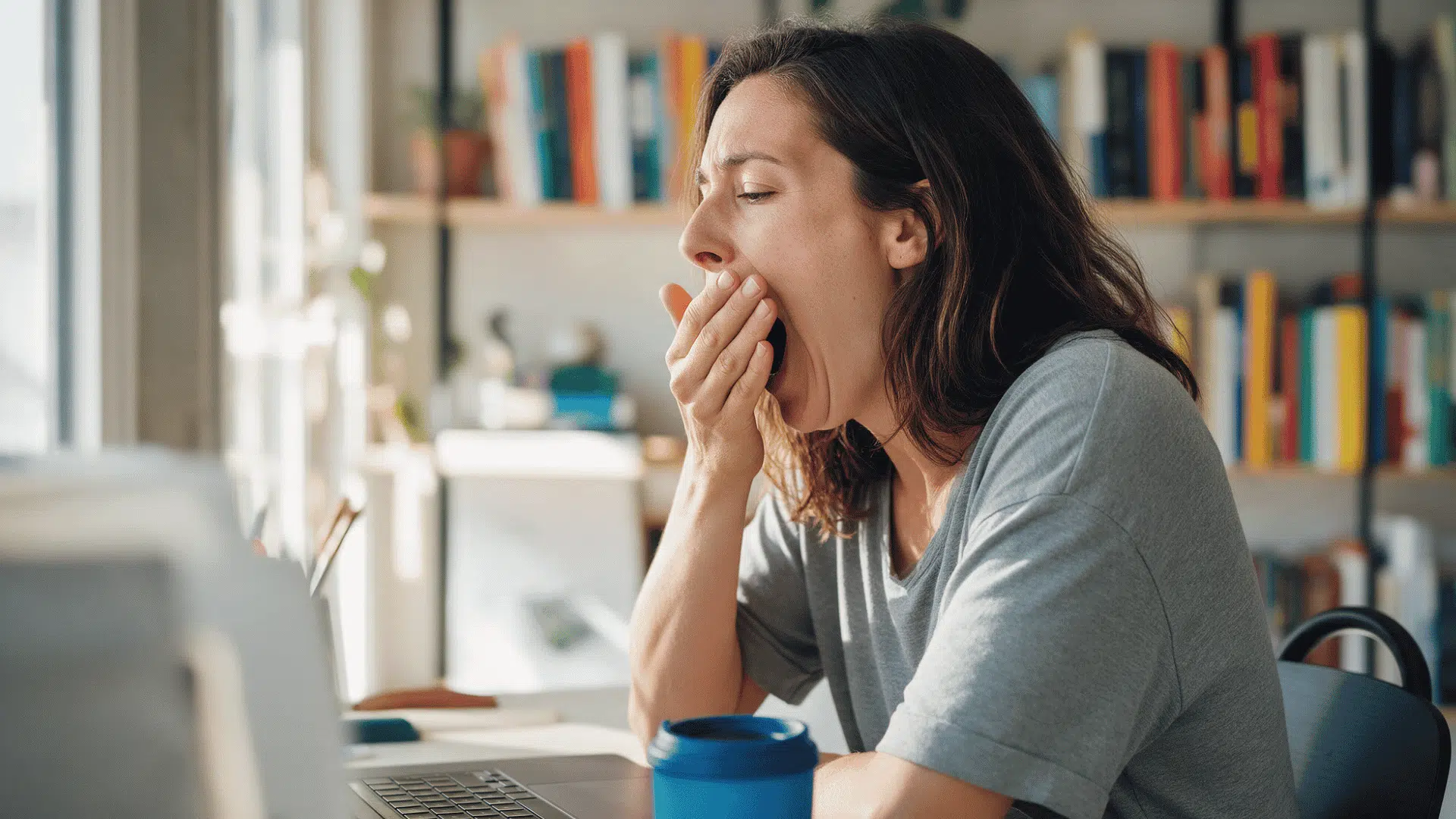

Ever wake up after a short night and feel that dull ache behind your eyes? I’ve been there, and it can throw off your whole day. If you’re asking, can lack of sleep cause headaches? The answer is often yes.
In this post, you’ll learn how missed sleep changes brain chemicals, stress levels, and pain sensitivity. You’ll also see the main headache types linked to poor sleep, plus the common signs to watch for.
Then you’ll get simple steps to feel better fast and sleep habits that help prevent the pain from coming back. Along the way, tables and quick tips will help you pick what fits your life.
Can Lack of Sleep Cause Headaches? Why It Happens?
Yes, lack of sleep can cause headaches, including tension headaches and migraines. Studies show that sleep deprivation lowers the brain’s pain threshold. This means pain feels stronger and lasts longer than usual.
When sleep is cut short or interrupted, the brain does not get enough time to reset and repair. As a result, pain signals become more intense, making headaches more likely the next day.
Both too little sleep and irregular sleep patterns can increase headache risk.
How Does Lack of Sleep Cause Headaches?
Poor sleep affects the brain and body in several important ways. These changes explain why headaches often follow a restless night.
1. Changes in Brain Chemicals
Sleep helps balance chemicals that control pain and mood. When sleep is lacking:
- Serotonin levels drop
- Cortisol (the stress hormone) rises
- Pain signals become stronger
This makes the head more sensitive to discomfort.
2. Reduced REM and Deep Sleep
REM sleep and deep sleep help the brain recover. Without enough of these stages:
- Muscles stay tense
- Pain-processing areas stay active
- Headaches become easier to trigger
Research shows that reduced REM sleep is linked to more painful headaches and migraines.
3. The Hypothalamus Gets Disrupted
The hypothalamus is a small part of the brain that controls sleep, pain, and hormones.
When sleep is disrupted, the hypothalamus sends mixed signals. This confusion can raise the risk of headaches, especially migraines.
Types of Headaches Linked to Lack of Sleep
Sleep loss can lead to a few different headache types. This compact table keeps the signs very clear and easy to spot.
| Type | How it feels | Clear signs to notice | Common sleep link |
|---|---|---|---|
| Tension | Steady, mild–moderate | Tight “band” feeling, dull ache, soreness in forehead/temples/neck | Short or broken sleep |
| Migraine | Strong, throbbing (often one side) | Light hurts, sound hurts, feels sick to the stomach, may vomit | Late nights, poor sleep quality (lack of sleep migraine) |
| Morning | Headache right after waking | Wakes up with head pain, may get better after getting up, can come back later | Sleep apnea, teeth grinding (TMJ), and chronic insomnia |
Now the types are clearer, so it’s easier to match the headache to the symptoms and take the right steps to feel better.
What Does a Headache From Lack of Sleep Feel Like?

The most common signs are a heavy, pressured feeling in the head and tightness across the forehead or temples.
The pain may start dull and turn into a throbbing ache as the day goes on. Some people also get eye pain or feel sensitive to light.
A sleep-related headache can come with nausea or dizziness, especially after very little rest.
In some cases, there may be blurry vision or trouble focusing, which can make school or work feel harder than usual.
Scientific Studies on Sleep Deprivation and Headaches
Scientific research shows a clear link between poor sleep and headaches. When sleep is cut short or interrupted, the brain gets less time to reset and repair, which can make pain signals feel stronger the next day.
Sleep loss can also raise stress hormones and make the nervous system more sensitive, which may trigger tension headaches and migraines in some people.
For a trusted, government-backed explanation of how sleep deprivation affects the brain and body (including functions tied to pain control), check the National Heart, Lung, and Blood Institute (NIH) breakdown of sleep deprivation’s health effects.
Why Lack of Sleep Makes Pain Feel Worse
Sleep helps reset how the brain processes pain and stress. Without enough rest, the body does not get a chance to calm overactive pain pathways.
As a result:
- Nerves stay overactive and react more strongly to small triggers
- Pain signals stay “turned on” instead of settling down
- The brain releases more stress hormones, which increase pain sensitivity
- Muscles remain tense, especially in the head, neck, and shoulders
When this happens, even mild discomfort can feel intense. This is why headaches from lack of sleep often feel harder to manage and may last longer than headaches caused by other factors.
How Much Sleep Is Needed to Prevent Headaches?
Getting the right amount of sleep plays an important role in keeping headaches away.
Most healthy adults need 7–9 hours of sleep per night for the brain to recover, balance hormones, and manage pain properly.
| Age Group | Hours Needed |
|---|---|
| Teens | 8–10 hours |
| Adults (18–64) | 7–9 hours |
| Older adults | 7–8 hours |
Sleeping less than recommended can raise stress hormones and lower pain tolerance, making headaches more likely.
Sleeping much longer than usual can also trigger headaches by disrupting the body’s natural sleep rhythm. Consistent sleep hours matter just as much as total sleep time.
Other Sleep Problems that Can Trigger Headaches
Sleep quantity matters, but sleep quality is just as important. Headaches are more common when sleep is disturbed by:
- Insomnia
- Sleep apnea
- Stress and anxiety
- Depression
- Jet lag
- An uncomfortable pillow or mattress
Fixing these issues can reduce how often headaches occur.
How to Relieve a Headache Caused by Lack of Sleep
When a sleep-related headache hits, simple steps can help ease it faster. This compact table groups the best options by situation.
| Situation | What to do (quick list) |
|---|---|
| Quick relief | Water • Quiet/dark rest • 20–30 min nap • Cold/warm compress (head/neck) |
| Migraine-like | Dim screens • Avoid loud sound • Gentle neck/temple massage • Cool, dark room |
| Home support | Light stretching • Slow breathing • Massage/acupuncture • Balanced meal • Magnesium/B2 (with medical advice) |
If headaches happen often, improving sleep habits and checking for sleep issues can help prevent the pain from returning.
Sleep Habits That Help Prevent Headaches
Better sleep habits can lower headache risk over time, and a few small changes can help you sleep more deeply and consistently.
- Keep the same sleep schedule: Go to bed and wake up at the same time every day (even weekends).
- Make the room sleep-friendly: Keep the bedroom dark, quiet, and cool.
- Cut caffeine later in the day: Avoid coffee, tea, and energy drinks in the late afternoon and evening.
- Power down screens early: Turn off phones, tablets, and TVs at least 1 hour before bed.
- Move earlier, not late: Exercise is great, but try to finish workouts a few hours before bedtime.
- Eat lighter at night: Skip heavy or spicy meals close to bedtime to avoid discomfort.
With steady sleep routines like these, the body gets better at switching into “rest mode,” which can help prevent headaches before they start.
When to Talk to a Doctor?
Medical advice may be needed if headaches happen often, if the pain is severe or getting worse, or if morning headaches keep showing up.
It’s also a good idea to talk to a doctor if sleep problems (like trouble falling asleep, waking up often, or loud snoring) do not improve.
These signs can point to a sleep disorder such as insomnia or sleep apnea. Treating the root sleep issue often helps reduce how often headaches return and can improve overall daily energy and focus.
Final Thoughts
If you’ve been getting headaches after a bad night, you’re not imagining it.
I covered how sleep loss can affect your brain, stress hormones, and pain signals, plus the common signs and the headache types that often follow poor sleep. You also saw simple ways to ease the pain quickly and sleep habits that can help stop the cycle from repeating.
If you’re still asking, can lack of sleep cause headaches? The research points to yes for many people. Try one small sleep change tonight and see how your body reacts tomorrow.
If you want more ideas and support, check out my other blog posts on my website.