
I have heard plenty of dog owners say, “My dog snores like a person.” If that is you, it is fair to wonder, “Can dogs have sleep apnea?” Sleep apnea means short pauses in breathing during sleep, sometimes followed by a snort or gasp.
In this post, I will help you spot the night and day signs that matter. You will learn the most common causes, including airway shape and extra weight.
I will also cover which dogs have a higher risk, when breathing trouble is an emergency, and how a vet checks it. You will leave with simple home tips and prevention steps. You can use a checklist and a short video for your vet.
Can Dogs Have Sleep Apnea and What Signs You Should Notice
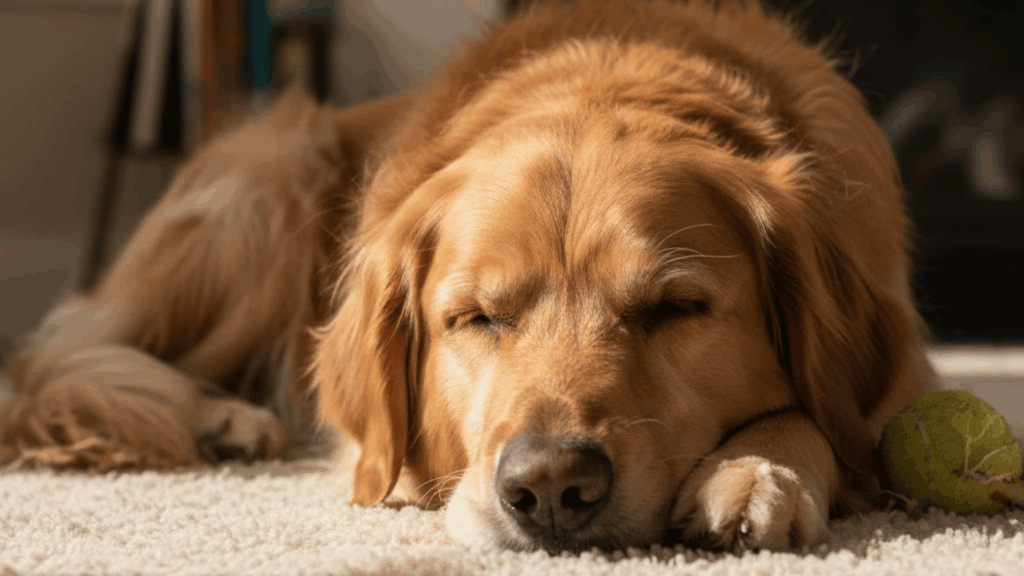
Yes, dogs can have sleep apnea. It is a breathing problem that happens during sleep. Your dog’s airway can partly close, so less air gets through. In some cases, breathing stops for a moment, then starts again with a loud snort or gasp.
A little snoring can be normal for some dogs. Sleep apnea is more than simple snoring. You often see breathing pauses, choking or gasping sounds, or restless sleep with frequent wake-ups.
It often happens when the airway gets blocked during sleep. Some dogs are at higher risk because of their head and throat shape, weight, or swelling in the nose or throat.
Quick day and night signs:
| Night signs | Day signs |
|---|---|
| Loud snoring most nights | Low energy or tired behavior |
| Snorting or gagging sounds | More naps than usual |
| Gasping or choking sounds | Grumpy mood from poor sleep |
| Breathing pauses, then a sudden breath | Less interest in walks or play |
| Mouth breathing during sleep | Noisy breathing while awake in serious cases |
| Restless sleep with frequent wake-ups |
If you see breathing pauses, gasping, or choking sounds at night, it is worth a vet check. A short video of the episode can help your vet understand what is going on.
What Causes Sleep Apnea in Dogs?
Sleep apnea is usually caused by a blocked airway during sleep. Here are common reasons.
1. Flat Faced Airway Shape BOAS
Flat-faced dogs often have smaller airways. Narrow nostrils and extra throat tissue can limit airflow.
When your dog relaxes in deep sleep, the airway can close more, leading to snoring, gasping, or short breathing pauses.
2. Extra Weight
Extra body fat can add pressure around your dog’s throat and chest. This can narrow the airway and make breathing harder during sleep.
Many dogs snore more after weight gain, and night breathing issues can get worse over time.
3. Allergies Or Nasal Stuffiness
Allergies, smoke, dust, or a recent infection can swell the nose and throat. Less space means airflow drops faster during sleep.
You may notice louder snoring, mouth breathing, or restless sleep, especially during allergy seasons.
4. Age And Muscle Tone
As dogs age, muscle tone in the throat can weaken. During sleep, softer tissues may sag and reduce airflow.
Older dogs may also sleep more deeply, which can make breathing pauses more noticeable, along with heavy snoring or frequent wake-ups.
5. Other Blockages
Less common causes include growths, throat issues, or mouth and jaw problems that reduce airway space.
These cases often come with noisy breathing while awake, too. A vet exam is important to check for a physical blockage.
Dogs with a Higher Sleep Apnea Risk
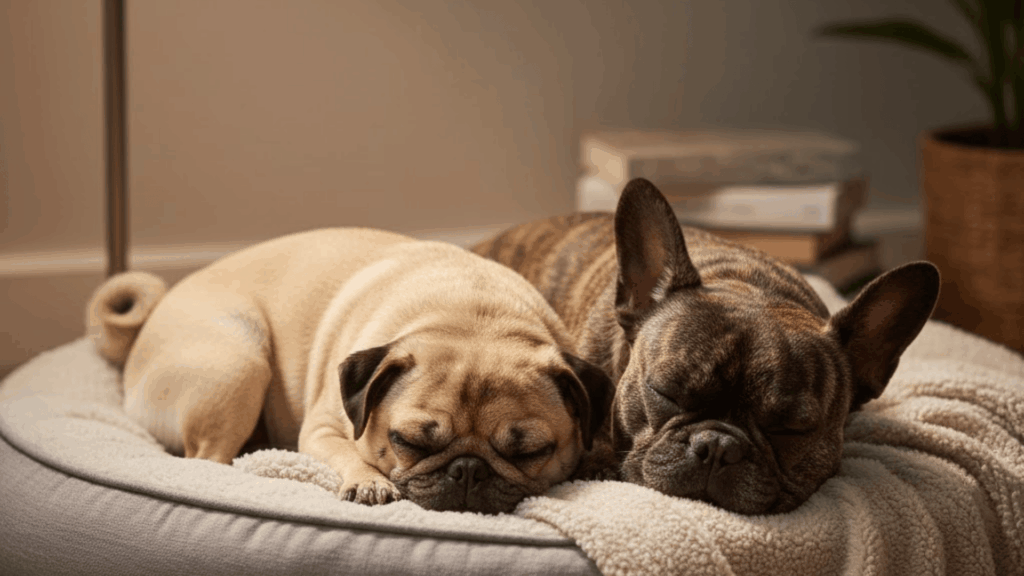
Any dog can have sleep apnea, but some are more likely. If you know your dog falls into one of these groups, it is smart to watch nighttime breathing a little closer.
| Higher Risk Group | Examples Or What You May Notice |
|---|---|
| Flat-Faced Breeds | Pugs, English Bulldogs, French Bulldogs, Boston Terriers, Shih Tzus, Pekingese, Boxers |
| Overweight Dogs | Weight gain, thicker neck area, louder snoring, and more breathing noise during sleep |
| Older Dogs | Lower muscle tone in the airway, heavier snoring, and more restless sleep |
| Dogs That Snore Loudly Most Nights | Frequent loud snoring, snorts, gasps, or possible breathing pauses |
| Dogs That Struggle With Heat Or Exercise | Heavy panting, noisy breathing after play, trouble cooling down, low stamina |
If you match one or more rows, it does not mean your dog has sleep apnea. It just means it is worth tracking symptoms and talking to your vet if breathing pauses or gasping show up.
When To Treat It As An Emergency: Get urgent vet help right away if your dog has blue, gray, or very pale gums, hard belly breathing, collapse or fainting, repeated choking with panic, or heavy panting that will not settle, especially in heat.
How a Vet Checks for Sleep Apnea
If your dog snores, gasps, or seems to pause breathing at night, a vet visit can help you figure out what is really going on.
- History from you: Your vet asks how often snoring happens, if you notice breathing pauses, and if your dog gasps or wakes up suddenly. They may also ask about sleep position, restlessness, daytime energy, exercise tolerance, and weight changes.
- In-clinic exam: Your vet checks the nose and throat, listens to the heart and lungs, and checks weight and body condition to see what might be affecting airflow.
- Extra tests when needed: If symptoms point to a bigger issue, your vet may suggest imaging or an airway exam. In some places, a special sleep test may be possible, but many cases are handled based on symptoms and airway findings.
After the visit, you should leave with clear next steps, plus a plan to track changes at home.
Treatment Options That Can Help
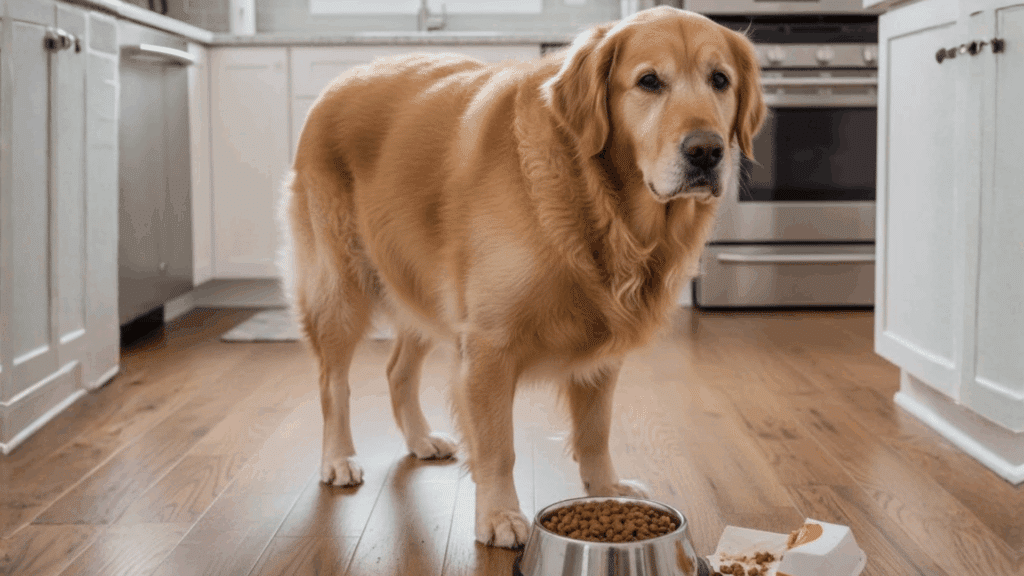
Once you know what is causing the breathing trouble, you and your vet can pick the safest plan for your dog.
| Treatment option | When it helps most | What it can include |
|---|---|---|
| Weight support | Overweight dogs or recent weight gain | Vet sets a safe target weight, measured meals, fewer treats, and gentle daily walks as allowed |
| Manage nose and throat irritation | Allergies, swelling, nasal stuffiness, and recent infection irritation | Vet-led allergy or irritation plan, reducing triggers at home, no human meds without vet approval |
| BOAS care for flat-faced dogs | Flat-faced dogs with noisy breathing, snoring, or night breathing trouble | Weight control, avoid heat and hard exercise, cool sleep space, treat flare-ups, and surgery in more serious cases |
| CPAP for dogs | Uncommon, specialist-led cases only | Not a typical long-term home option, most plans focus on fixing the main cause instead |
After you start treatment, keep tracking sleep sounds and energy levels so your vet can adjust the plan if needed.
Home Tips To Support Better Sleep in Dogs
These tips can help your dog rest easier, but they do not replace vet care. If your dog snores often or seems to gasp at night, this simple routine can help you support better sleep at home.
- Set up a cool, calm sleep space with clean, dry bedding.
- Remove triggers like smoke, strong scents, and dusty blankets.
- Support a better sleep position, such as side sleeping with a straight neck.
- Use a harness for walks and avoid tight collars.
- Keep a simple log of snoring nights, breathing pauses, gasps, daytime tired behavior, and heat trouble. Record a short video if you can.
If symptoms get worse or you notice breathing pauses, share your notes and the video with your vet.
Prevention Tips, Especially For High-Risk Dogs
You can lower the risk of breathing trouble during sleep with steady habits. These steps matter most for flat-faced dogs, overweight dogs, and older dogs.
- Healthy weight: Keep weight in a healthy range.
- Heat control: Avoid overheating and heavy exercise in hot weather.
- Harness use: Use a harness instead of a collar if your dog has airway issues.
- Regular vet checks: Schedule regular vet checks, especially for flat-faced breeds.
- Early warning signs: Watch for loud breathing, snorting, and low stamina.
If you spot early signs, act sooner instead of waiting. Small changes now can help your dog breathe easier and sleep better long term.
Bottom Line
You now have a clear way to handle noisy sleep and breathing pauses. You learned what sleep apnea can look like, what can cause it, which dogs are at higher risk, and when signs call for urgent care.
You also saw how a vet may check the problem and what treatment options can help, along with simple home steps and prevention tips.
If you started with the question can dogs have sleep apnea, you now have the key signs to watch and the right next moves to make. Keep notes for a few nights and record a short video if you can.
If you want more help, check out my other blog posts for simple tips and answers.