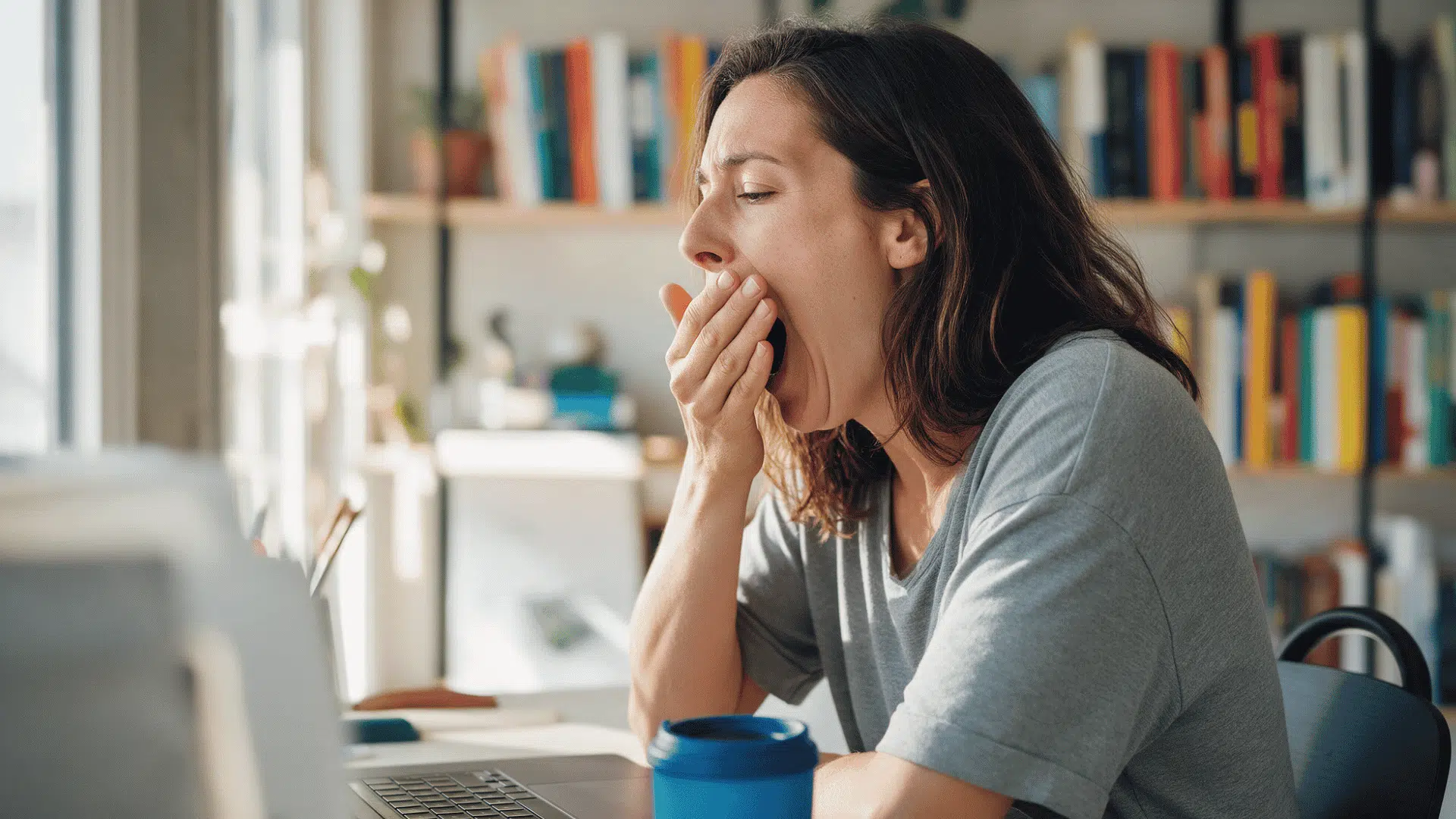


Daytime sleepiness can sneak into your routine and make simple tasks feel tougher than they should.
I know how frustrating it is when you can’t stay alert, even after a full night of sleep. That’s where a nap check can help you understand what’s really going on.
This test looks at how fast you fall asleep during quiet moments. It gives your doctor clear facts about your daytime sleepiness.
In this guide, I’ll walk you through what a nap check is, how it works, who needs it, how to prepare, and what your results may show.
The goal is to give you clear, simple information you can use to feel more in control of your sleep health.
What is a Nap Check Multiple Sleep Latency Test?
A nap check is a daytime test that measures how sleepy you are. It looks at how fast you fall asleep during short nap periods. It also checks for signs of REM sleep that show up too early, which may suggest a sleep disorder.
Before you take the nap check, you usually complete an overnight sleep study. This night test checks your breathing, brain activity, and sleep quality. The overnight results help the nap test stay accurate.
A nap check gives your doctor clear information about your daytime alertness. It helps separate true sleepiness from tiredness caused by poor sleep habits or health issues.
When Doctors Recommend a Nap Check
Doctors order a nap check when someone has strong daytime sleepiness. You may fall asleep during short tasks. You may doze off while reading or watching TV. You may even struggle to stay awake during calm moments.
The test can help diagnose conditions such as:
- Narcolepsy type 1
- Narcolepsy type 2
- Idiopathic hypersomnia
- Other disorders that cause daytime sleepiness
Sometimes the nap check is not the first step. If your sleepiness is caused by irregular schedules, stress, or untreated sleep apnea, a doctor may look at other details before planning the test.
How a Nap Check Works?
Before you look at the steps, here’s a quick table that shows how a nap check usually works from start to finish.
| Part of the Test | What Happens |
|---|---|
| Overnight sleep study | Confirms you slept long enough and checks for breathing pauses, movement issues, or restless sleep. Helps keep the nap results accurate. |
| Nap schedule | You complete four or five naps. Each nap is two hours apart. You rest in a dark, quiet room for about 20 minutes. |
| Sensors and tracking | Small sensors on your scalp, face, and body record brain waves, eye movements, and muscle tone. They do not hurt and only track sleep activity. |
| If you stay awake | Staying awake still gives useful information. It shows your alertness and is recorded as your sleep latency for that nap. |
This table gives you the basic flow, and the next sections will walk you through each part in more detail.
How to Prepare for a Nap Check
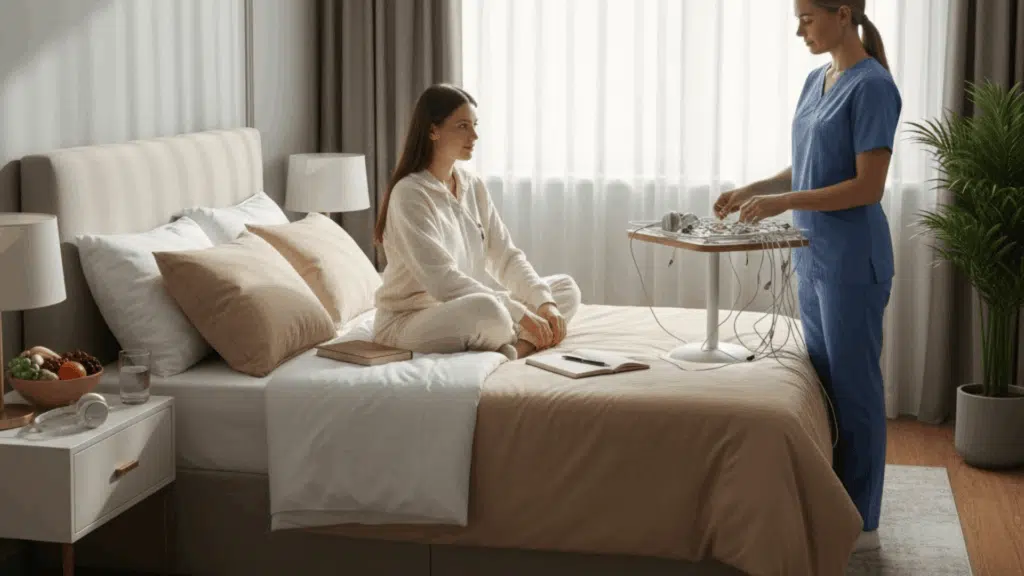
Before the test day arrives, a few simple steps can help you feel ready and keep your results accurate.
- Track your sleep: Keep a sleep diary for one or two weeks. You may also wear a wrist device to confirm your sleep patterns.
- Follow medicine rules: Your doctor may adjust your medicines and ask you to limit caffeine, alcohol, and nicotine.
- Plan your food and clothes: Eat light meals and wear soft clothes. Keep your hair clean for sensor placement.
- Bring comfort items: Pack a book, your phone, or headphones for the breaks between naps.
These steps make the process easier and help the sleep lab collect the most reliable results.
What to Expect on Test Day
You check in during the morning, and the staff reviews your health details. The sensors from your overnight study stay in place or are adjusted before the first nap.
Between naps, you need to stay awake. You can read, use your phone, or relax, but you cannot nap or have caffeine.
After the last nap, the sensors are removed, and you can go home. If you feel very tired, it may help to have someone else drive.
How Nap Check Results are Interpreted
Your nap check report includes key details that help explain your sleep patterns. The table below shows what each part means.
| Result Type | Meaning |
|---|---|
| Mean sleep latency | Average time to fall asleep. Short times suggest strong sleepiness. |
| SOREMPs | REM sleep begins soon after you fall asleep. Early REM can signal a sleep disorder. |
| Normal pattern | You fall asleep slowly, and REM does not appear early. |
| Narcolepsy pattern | You fall asleep fast, and REM shows up early in two or more naps or in the night study. Symptoms are also reviewed. |
| Idiopathic hypersomnia pattern | You fall asleep fast, but do not enter REM. Daytime sleepiness is still strong. |
| Unclear results | Mixed or hard-to-read patterns. More testing or another nap check may be needed. |
These result patterns help guide your next steps and support an accurate care plan.
What Can Affect Nap Check Accuracy
Several factors can change how your nap check turns out. Keeping these in mind can help you get the most accurate results.
- Poor sleep the night before: Not getting enough sleep can make you fall asleep too fast during the naps.
- Medicines or substances: Stimulants, sedatives, caffeine, alcohol, and nicotine can all change how sleepy you feel.
- Other sleep disorders: Untreated sleep apnea, restless nights, or irregular schedules can influence the results.
These factors do not always prevent the test from working, but understanding them can help you prepare and get clearer results.
When Kids Need a Nap Check?

A nap check may be used for kids who show strong daytime sleepiness, fall asleep often during the day, or struggle to stay alert in school. Some may also show behavior changes linked to extreme tiredness.
A parent usually stays in the sleep lab. Staff explain each step to help the child feel calm. The nap schedule is similar to the adult test, though the timing may be adjusted for age.
After the test, the doctor may help plan school support if a sleep disorder is found. Older teens may also receive driving and safety guidance based on their level of alertness.
What Happens After Your Nap Check
Your results help guide the next steps in your care, and the table below shows what each outcome usually means.
| Result Type | What This Usually Means |
|---|---|
| Narcolepsy pattern | Your doctor may suggest medicine for alertness, planned nap times, and steady sleep routines. |
| Idiopathic hypersomnia pattern | Your plan may include wake-promoting medicine, morning light, and a consistent sleep and wake schedule. |
| Normal results | Your doctor may look into other causes of fatigue, such as stress, hormones, or lifestyle habits. A referral to a sleep specialist may also be considered. |
These next steps help you understand your condition and move toward a clearer plan for your daytime alertness.
Wrap Up
A nap check can give you a clearer view of your daytime sleepiness and the reasons behind it.
After reading this guide, I hope you feel more prepared for the steps involved and more aware of what the test can show you. Understanding these details can make the whole process feel much easier.
You now know how the test is done, what the results may point to, and how different patterns can guide your next moves. This kind of information can help you talk with your doctor with more confidence and get closer to feeling steady during the day.
If you’d like more simple, helpful tips for your home or health routines, feel free to look through my other posts.