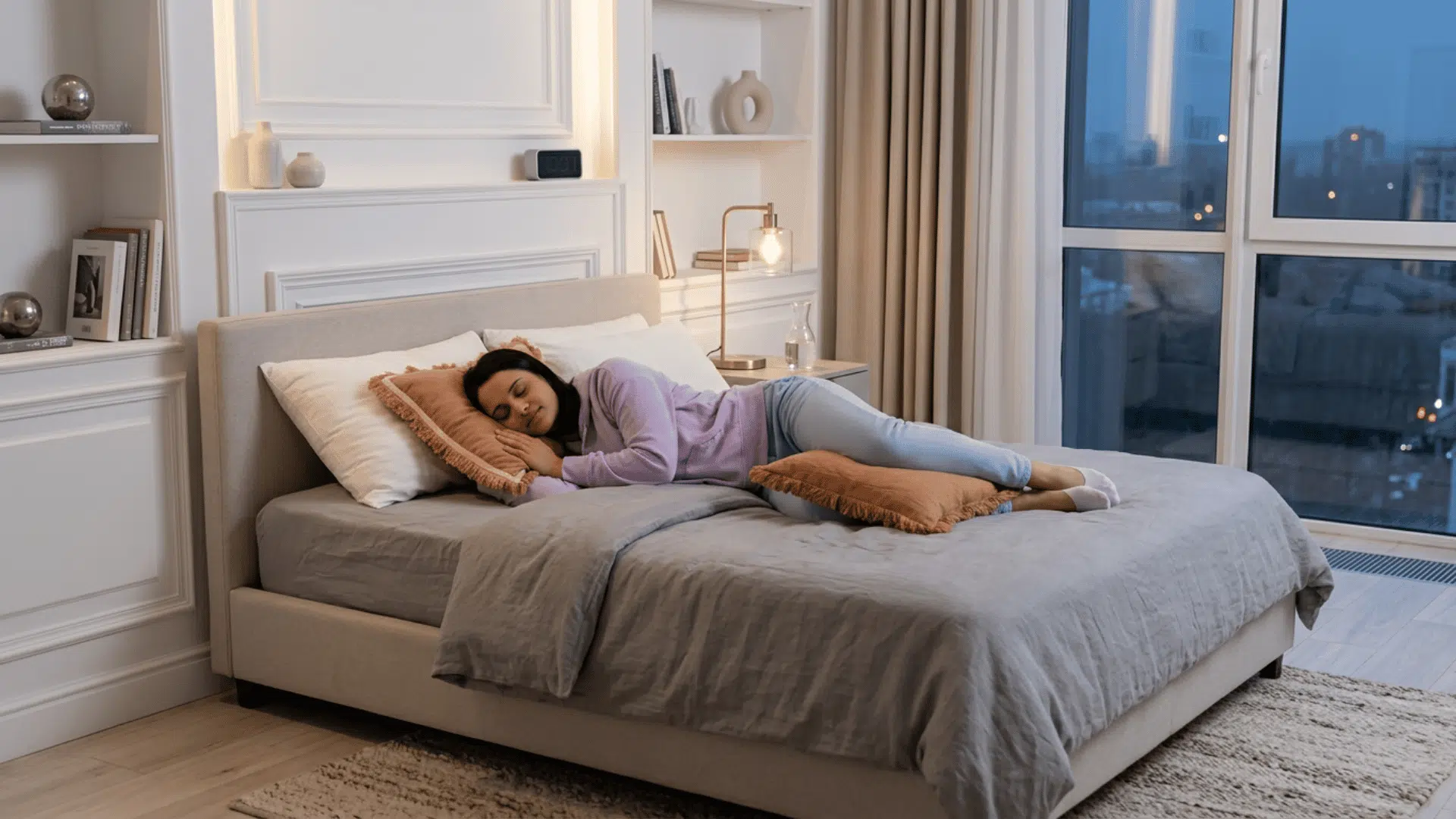
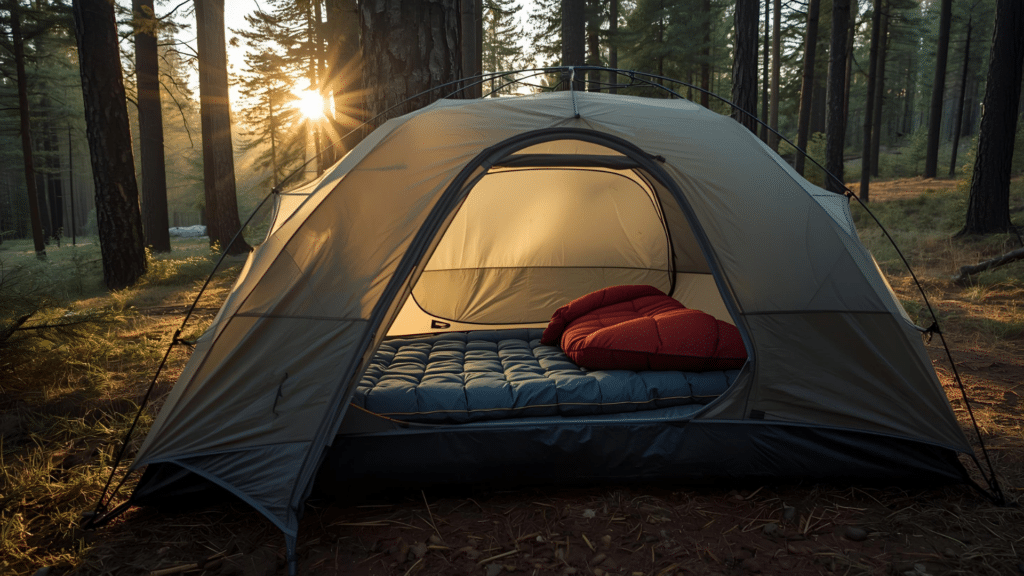
I used to think a sleeping pad was just “nice to have” until a cold, lumpy night proved me wrong.
If you have ever slid off the edge, felt your hip hit the ground, or woke up shivering, you already get the problem.
The best sleeping pads do two jobs at once. They add comfort, and they block cold from creeping up through the ground. That means better sleep, more energy, and fewer miserable mornings at camp.
In this post, I will keep it practical with quick category picks, simple comparisons, and the few specs that actually matter when you are shopping. By the end, choosing the best sleeping pads will feel much less confusing.
Quick Answer: Best Sleeping Pads by Category
Use this list if you want a quick, confident shortlist.
- Best overall (backpacking balance):NEMO Tensor All-Season Ultralight Insulated
- Best for cold weather:Therm-a-Rest NeoAir XTherm style pads are common top picks in backpacking roundups (high warmth for weight).
- Best for side sleepers:NEMO Roamer, Exped MegaMat, or Therm-a-Rest MondoKing 3D (thick, supportive, wide options that help reduce hip and shoulder pressure).
- Best value:REI Co-op Helix Insulated, Klymit Static V Insulated, or Therm-a-Rest Trail Lite (solid comfort for the price, without premium costs).
- Best foam pad (no leaks):Therm-a-Rest Z Lite Sol or NEMO Switchback (closed-cell foam pads that are durable and worry-free).
- Best for car camping comfort:Exped MegaMat 10/15, NEMO Roamer, or Therm-a-Rest MondoKing 3D (more mattress-like comfort at camp).
- Best for couples:Exped MegaMat Duo, NEMO Roamer Double, or Therm-a-Rest MondoKing 3D XXL (stable double options with better support and easier setup).
TLDR: Choose the Right Sleeping Pad

You can pick the right sleeping pad in about a minute if you follow a simple order.
First, choose your trip type: backpacking, car camping, winter camping, or mixed use. Backpacking rewards low weight and a small packed size. Car camping rewards thickness and width. Winter camping rewards a higher R value.
Next, think about the lowest night temperature you expect. Colder ground pulls heat from your body, so you need more insulation.
Then match the pad to your sleep style. If you sleep on your side, pick a thicker pad and consider a wide version. If you sleep on your back, you can go thinner as long as the pad stays stable.
Last, set your priority: comfort, warmth, weight, or budget.
Comparison Table: Quick View of What Matters
Use this to compare pads the same way, without bouncing between tabs. Use this table to narrow down the best sleeping pads for camping based on warmth, comfort, and price.
| Category | Best Fit For You If… | Type | Key Specs To Focus On |
|---|---|---|---|
| Best Overall | You want one pad that does most trips well | Insulated air | R-value, weight, comfort, packed size |
| Ultralight | You count grams and hike far | Insulated air | Weight, packed size, warmth-to-weight |
| Cold Weather | You camp in real cold temps | High-insulation air | R-value, valve reliability, durability |
| Side Sleepers | Your hips and shoulders hurt on thin pads | Thicker air or self-inflating | Thickness, width, stability, noise |
| Budget | You want good sleep without a high cost | Foam or value air | Price, durability, and warmth needs |
| Foam (no leaks) | You hate punctures and want simple gear | Closed-cell foam | Comfort tradeoff, bulk, reliability |
| Car Camping | You want comfort and do not care about weight | Self-inflating or camp mattress | Thickness, width, ease of use |
| Couples | You want one shared pad | Double air or double self-inflating | Stability, valves, pack size |
REI breaks sleeping pads into the main types above (air, self-inflating, closed-cell foam), which is the best place to start when comparing.
Best Sleeping Pads: Reviews and Comparisons
These are the sleeping pad categories most shoppers compare first. Each one solves a different problem, so you can match warmth, comfort, weight, and price.
1. Best Overall Sleeping Pad (Backpacking Balance)
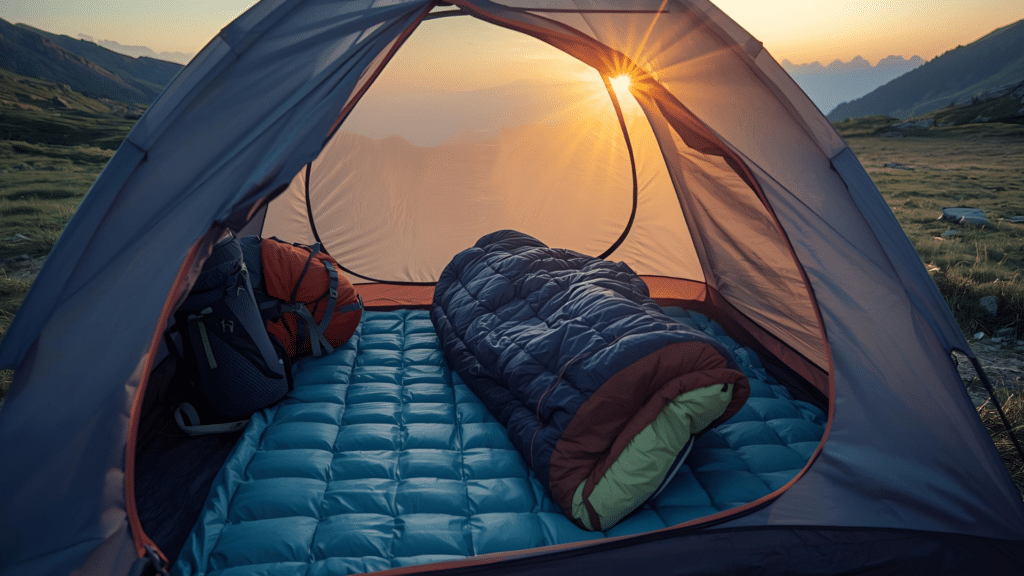
Who it is for: You want one pad that feels comfortable, packs small, and stays warm for most 3-season trips.
The best overall pad should hit the middle ground. You want insulation that works on cool spring and fall nights, but you also want low weight for hiking days.
Look for a stable design that does not sway when you move, plus a valve that makes it easy to add or release small amounts of air. Packed size matters too, since this is the pad you will carry most often.
Buy this style if you backpack more than car camping, you want one do-it-all option, and you care about comfort.
Skip this style if you only car camp, or you camp in deep winter most weekends.
2. Best Ultralight Sleeping Pad (For Long Miles)
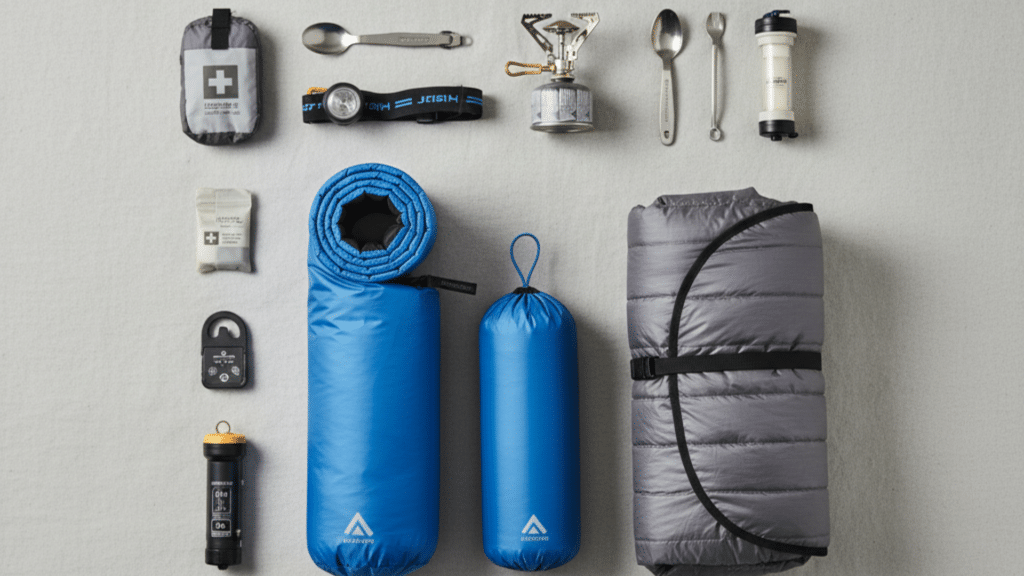
Who it is for: You hike far, track pack weight closely, and want the smallest packed size you can get.
Ultralight pads are made for distance. They can still be comfortable, but they often use lighter materials and slimmer shapes to cut grams. That can mean slightly more noise, less room to roll around, and more care needed on sharp ground.
If you sleep on your side, do not choose the thinnest option, because hip pressure can wake you up. A wide size can help a lot, even if it adds a little weight.
Also, check for a pump sack or built-in pump, since inflating by mouth can add moisture inside the pad over time.
Good fit for long backpacking trips, thru-hiking, fast-packing style.
Not ideal if you want max comfort, or you camp on rough ground often.
3. Best Sleeping Pad for Side Sleepers (Hip and Shoulder Relief)
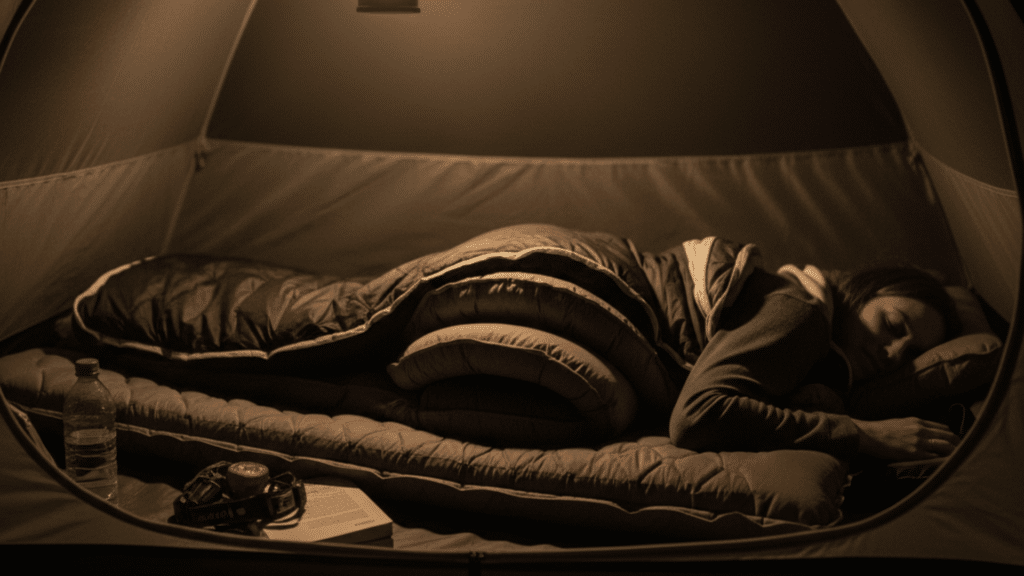
Who it is for: Your hips or shoulders bottom out, and you wake up sore or keep shifting all night.
Side sleepers usually need two upgrades: more thickness and more width. Thickness helps your hip stay off the ground, while width keeps your shoulders from rolling off the edge.
A stable baffle layout matters too, because some pads feel like they tilt when you turn. Start by choosing a thicker pad, then pick a wide version if you toss and turn.
When you set it up, inflate the pad fully, lie down, then let out a small amount of air. A slightly softer feel can reduce pressure points without losing support.
Buy this style if you are a side sleeper, you feel sore on thin pads, or you move a lot.
Skip this style if you are mostly a back sleeper and want to save weight.
4. Best Sleeping Pad for Cold Weather (Warmth First)
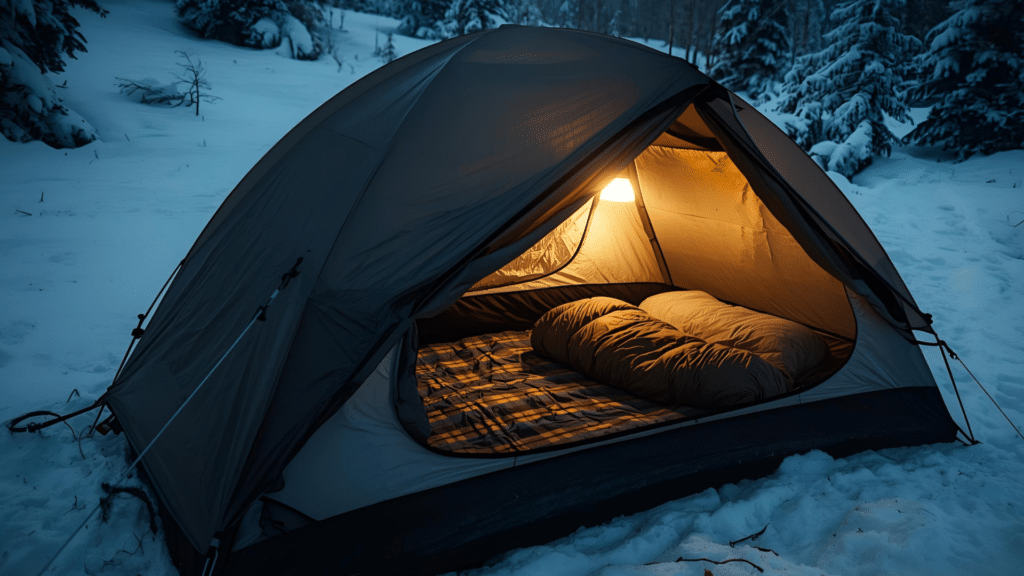
Who it is for: You camp when the ground is cold, and you want to stay warm without piling on extra layers.
In cold weather, the pad matters as much as the sleeping bag because the ground steals heat fast. Start with a higher R value so you keep warmth under your body.
Next, look for reliable valves and solid construction, because a small leak at night can ruin sleep in cold temps. Bring a small patch kit, even on short trips.
If you already own a mid-range pad, add a thin foam pad under it. This can add warmth and protect the inflatable from sharp ground. It is also a smart backup if something goes wrong.
Buy this style for shoulder-season trips, cold ground, and high-altitude camps.
Skip this style if you only camp in hot summer weather.
5. Best Budget Sleeping Pad (Good Sleep, Lower Cost)
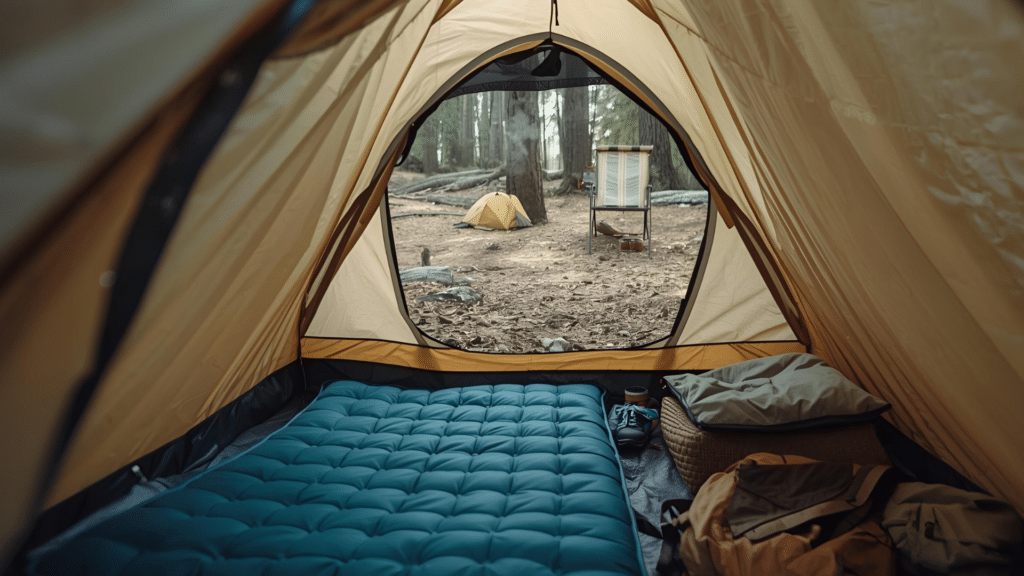
Who it is for: You want a dependable pad at a lower price, and you are okay with a few trade-offs.
Budget pads can still work really well if you match them to your trips. Many people save money by choosing foam or a heavier, less expensive insulated pad.
Another budget route is an uninsulated air pad for warm weather only, but it is not a good pick for cool nights. The key is to avoid paying for features you will not use.
Think about your typical temps, then choose the simplest pad that meets your warmth needs. If you hate dealing with leaks, a foam pad can be the safest budget buy.
Buy this style if you’re new to camping, occasional trips, or warm-weather camping.
Skip this style if you camp cold often or want a very packed, small setup.
6. Best Foam Sleeping Pad (No Punctures, Simple Setup)
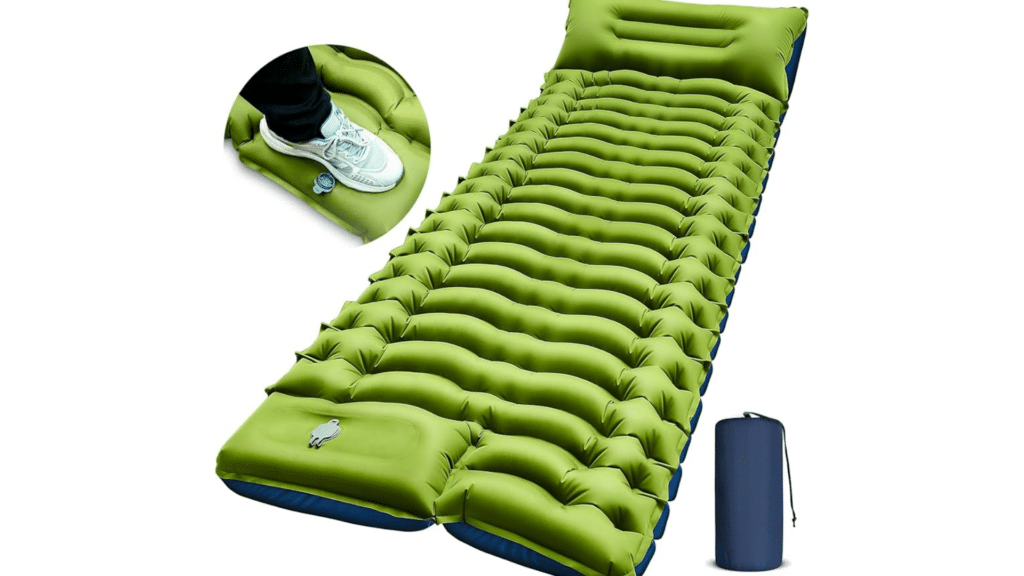
Who it is for: You want the most reliable option, you do not want to worry about leaks, and you like simple gear.
Foam pads are the no-fuss choice. They do not puncture, work in any weather, and set up in seconds. They also double as a sit pad during breaks and can protect an inflatable pad underneath.
The main downside is comfort, especially for side sleepers, and the bulk on the outside of your pack. Many campers use foam in two smart ways: as a standalone pad for short trips, or as an underlayer for warmth and protection when using an air pad.
If you camp on rocky ground or you want a backup pad for peace of mind, foam is hard to beat.
Pros: tough, cheap, fast setup, works as an underlayer.
Cons: bulky, less cushioned, not great for side sleepers.
7. Best Self-Inflating Sleeping Pad (Comfort + Convenience)
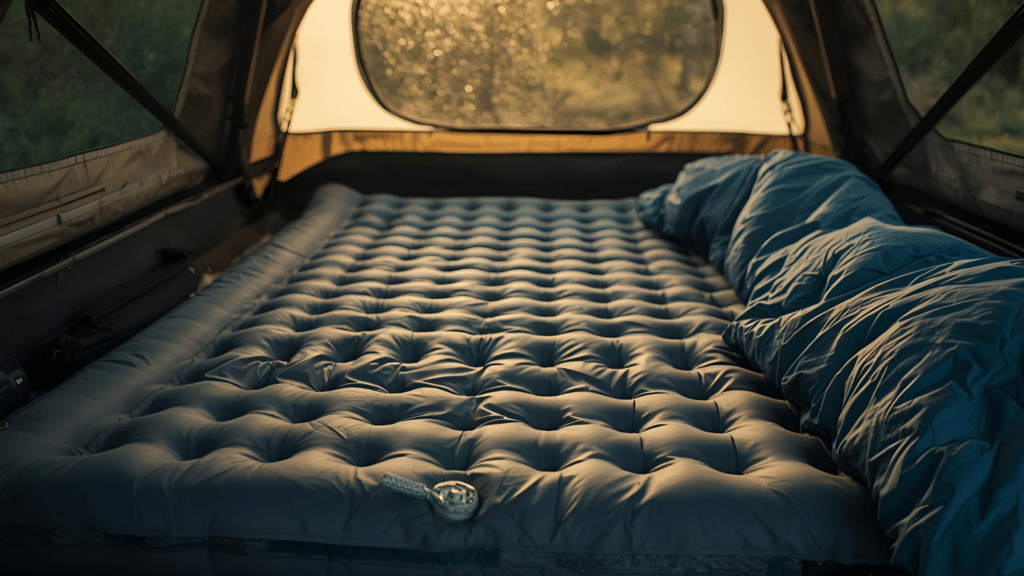
Who it is for: You want a more “steady” feel than many air pads, and you do not mind extra weight and packed size.
Self-inflating pads combine foam and air, so they often feel more supportive and less bouncy. They are a great match for car camping and walk-in sites, where carrying weight is not a big issue.
Most will inflate partway on their own, but you usually still add a few breaths to reach your preferred firmness. They also tend to pack larger than backpacking air pads, so they are not the best choice for long hikes.
Look for easy valves, quick deflation, and enough thickness for your sleep style. If you like a firm, bed-like feel, this category can suit you well.
Buy this style if car camping, short walk-in camping, or you want steady support.
Skip this style if you’re on long backpacking trips or have very small pack space.
8. Best Sleeping Pad for Car Camping (Comfort First)
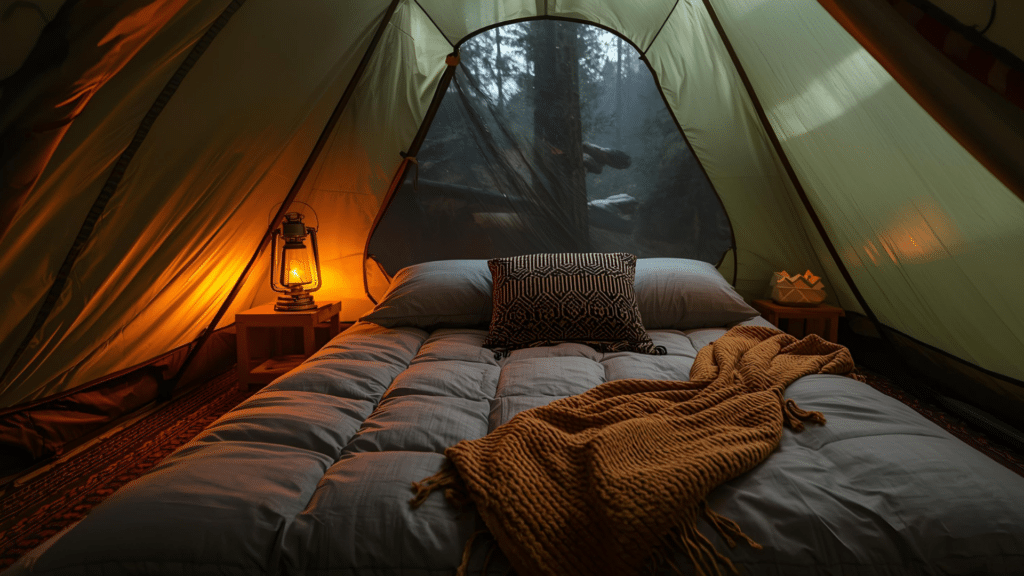
Who it is for: You drive to camp, want great sleep, and do not want to stress about weight or packed size.
If your goal is the best camping sleeping pad, start with thickness, width, and easy setup. Car camping pads can be thicker, wider, and more comfortable than backpacking pads. This is where you can choose a pad that feels closer to a real mattress.
Start with comfort and width, then consider setup speed and deflation speed, since you will use them often. If you share a tent, consider how much space the pad takes and whether it stays stable when you move.
Car camping is also where self-inflating pads and thicker air pads shine, since you can bring a pump or use a built-in pump style. If you camp often, this category can feel like the best value because better sleep improves every day outside.
Buy this style for weekend trips, family camping, and drive-up sites.
Skip this style if you prefer long hikes or have strict weight limits.
9. Best Double Sleeping Pad for Couples
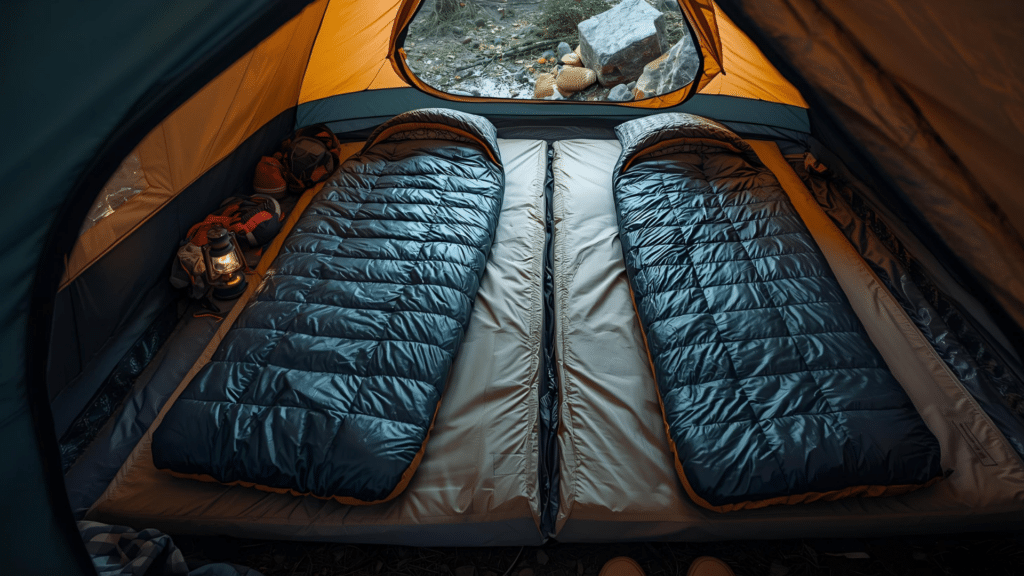
Who it is for: You want one shared pad instead of two singles, and you want a simple setup inside the tent.
Double pads can be very comfortable, but you need to choose carefully.
The biggest issue is motion transfer. If one person moves, the other can feel it, especially on softer pads. Stability matters a lot here, so look for designs that feel planted, not wavy. Inflation and packing can also take longer since there is more volume.
Two valves can help, both for inflation and for fine-tuning each side. Before you buy, measure your tent width and check the pad’s actual width. A double pad that barely fits can press against the tent walls and feel cramped.
Buy this style if you share sleep space often and want one setup.
Skip this style if you want separate firmness, or if you camp in a narrow tent.
Sleeping Pads Mini Showdowns for Quick Decisions
These quick matchups help you choose the right sleeping pad faster, without getting stuck comparing specs across ten tabs and reviews.
Air Pad vs. Self-Inflating Pad
Pick an air pad if you backpack and want a smaller packed size and better warmth-to-weight. Air pads usually pack down the smallest, and many insulated models give strong warmth without heavy bulk.
Pick a self-inflating pad if you mostly car camp and want a steadier, less bouncy feel. Self-inflating pads are often more forgiving for comfort, but they take up more space and weigh more.
If your trips are mixed, choose air for hiking-heavy plans and self-inflating for comfort-focused weekends.
Foam Pad vs. Inflatable Pad
Pick a foam pad if you want a simple, dependable option that will not puncture. Foam is also one of the most budget-friendly choices, and it still adds insulation under your body.
The tradeoff is comfort, especially if you sleep on your side or camp on hard ground. Pick an inflatable pad if comfort matters most, you want a smaller packed size, or you need more thickness to avoid bottoming out.
Inflatable pads can also be warmer per ounce when insulated.
Wide Pad vs. Regular Width
Pick a wide pad if you are a side sleeper, your shoulders roll off the edge, or you toss and turn at night. Width often fixes sleep problems faster than chasing extra thickness. A wide pad also feels more stable because you are not fighting the edges.
Pick a regular-width pad if you want to save weight, spend less, or fit better inside a small tent. If you share a tent, a regular width can also make the layout easier and less cramped.
How to Choose the Best Sleeping Pad (Buying Guide)
This buying guide shows you what matters most, in the right order, so you pick a pad that fits your trip and sleep style.
- Start with your trip type: Backpacking needs low weight. Car camping needs comfort. Winter camping needs a higher R value.
- Pick the pad type: Air pads pack small. Self-inflating feels steadier. Foam pads never leak and cost less.
- Use R value for warmth: A Higher R value means better insulation from cold ground, which matters as much as your sleeping bag.
- Choose comfort specs: Side sleepers need more thickness and often more width. Back sleepers can go thinner if stable.
- Check weight and packed size: For backpacking, pick the lightest pad that still meets your warmth and comfort needs.
- Look at valves and inflation: Easy fill, easy fine-tuning, and fast deflation saves time every night and morning.
- Think about durability: Rough ground, pets, and sharp debris cause leaks. Carry a small patch kit for inflatables.
- Match your budget to use: Pay more for cold weather or long hikes. Save money for casual warm-weather trips.
Durability, Repairs, and “Real Life” Ownership
Even the best sleeping pad can fail if you treat it roughly, so a little prevention goes a long way.
Common Problems
- Small punctures: sharp rocks, sticks, thorns, or tent-site debris can poke tiny holes.
- Valve trouble: sand, grit, or damaged threads can cause slow air loss.
- Mystery slow leaks: you go to sleep fine, then wake up half flat at 2 a.m.
How to Find a Leak Fast
- Inflate fully and listen: put your ear close and rotate the pad slowly.
- Check seams and the valve first: these are the most common leak spots.
- Use soapy water if you can: bubbles make tiny leaks obvious.
What to Carry (Tiny Repair Kit)
- Brand patches (or a universal patch kit)
- Alcohol wipes to clean and dry the area
- Small tape strip for a quick temporary fix
If you camp often, this tiny kit saves trips and stress.
New Updates to Know Before You Buy Sleeping Pads
Sleeping pad lists change more than most people expect. Brands update valves so inflation is faster and deflation is less annoying. They also tweak fabrics to cut noise, reduce slipping, or improve durability on rough ground.
Some models get warmer without adding much weight, while newer versions replace others with better insulation and comfort.
OutdoorGearLab says it buys and tests many sleeping pads side by side each year, and it names a current overall winner in its latest roundup.
GearJunkie also refreshes its backpacking sleeping pad list with updated picks and testing notes.
The simple takeaway is this: if a list is old, it may miss better current pads or recommend models that are no longer the best buy.
Conclusion
Once you match a pad to your trip type, sleep position, and lowest night temp, the right choice becomes simple. Air pads often work best when you want lightweight and a small packed size.
Self-inflating pads can feel steadier and easier for car camping. Foam pads stay basic and reliable, with no worries about leaks.
Use the R value to pick warmth, then use thickness and width to fix comfort, especially if you sleep on your side.
My final tip is to buy for the trips you actually take, not the trips you might take someday. Want more camping gear help? Check out my other blogs next, and tell me what you chose for the best sleeping pads.