You notice it when you are half awake, reaching for the faucet, and something small feels off, the water pressure, the lighting, or just the way the space does not quite work the way it should. It is not a big problem, but it is there every single day.
Bathrooms tend to be used without much thought until they start getting in the way. A drawer that sticks, a floor that feels cold, poor lighting that makes mornings slower than they need to be. These things add up quietly. Fixing them does not always require a full overhaul. Sometimes small, steady changes shift the experience more than expected.
Layout Adjustments That Make the Space Easier to Use
Most bathrooms are set up once and then left alone for years, even when the way people use the space changes. What worked before may not work now, especially if routines have shifted or more people are sharing the same area.
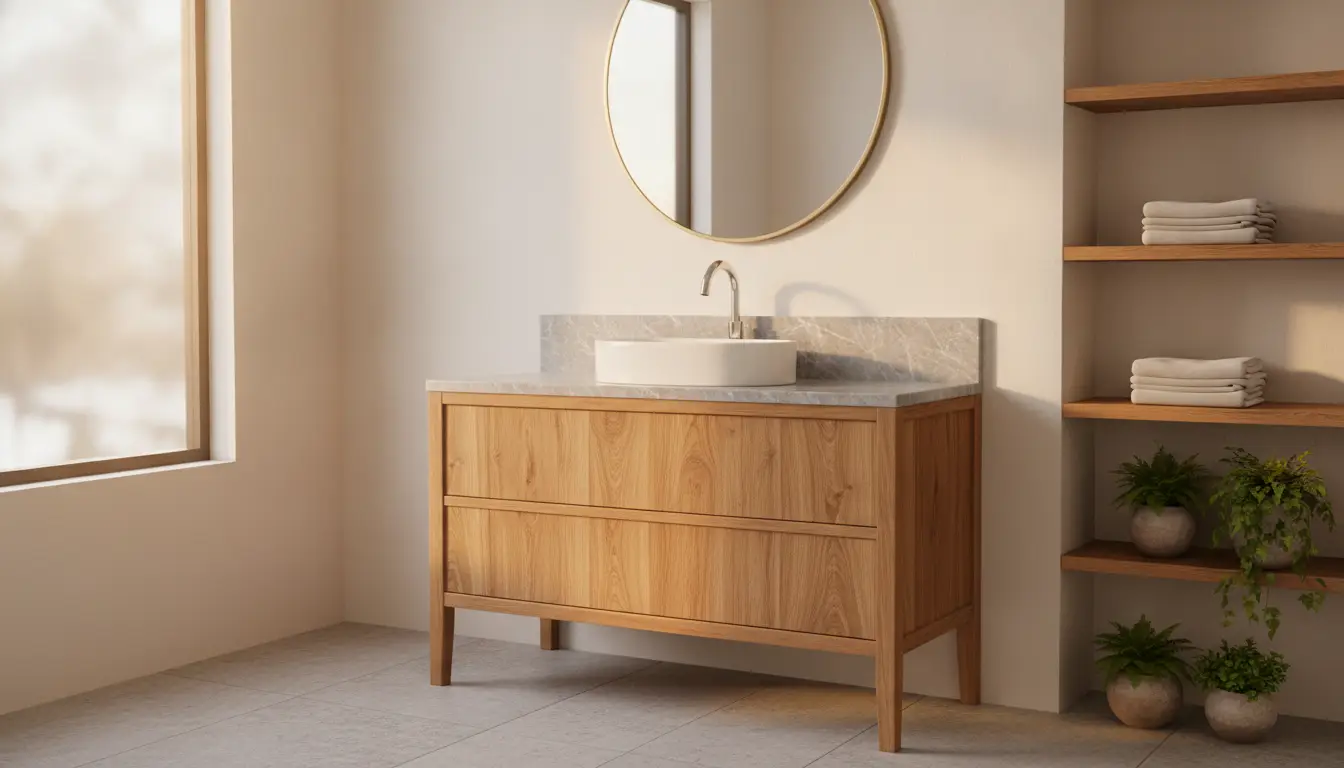
A small adjustment in layout can make a difference. Moving storage closer to where it is used, clearing unnecessary items from countertops, or even changing how towels are placed. These are not big changes, but they reduce friction. The space starts to feel easier to move through.
It is not always about adding something new. Often it is about removing what gets in the way.
When Bigger Updates Starts to Make More Sense
There is a point where small fixes stop solving the problem. You adjust one thing, then another, and the space still feels slightly off. That is usually when people start thinking about a more complete update, not out of preference, but because the current setup is no longer working well.
A full bathroom remodel can address issues that smaller changes cannot fix. Better layout, improved accessibility, and materials that hold up over time. It is less about changing how the bathroom looks and more about how it functions day to day.
Lighting That Supports Your Routine
Lighting tends to be either too bright or not enough, rarely in between. In the morning, harsh light can feel uncomfortable. At night, dim lighting can make simple tasks harder than they should be. A better setup usually involves layers. Softer lighting for general use and focused lighting where needed, like around the mirror. It does not have to be complicated, just intentional. Once lighting is adjusted properly, it changes how the space feels without changing anything else.
Storage That Reduces Clutter Without Effort
Clutter in a bathroom does not happen all at once. It builds slowly. A few extra bottles, things left on the counter, items that never quite get put back. Before long, the space starts to feel tighter, even though nothing has really changed.
Adding storage can help, but only if it fits how the space is actually used. Shelves or drawers that are easy to reach tend to work better than hidden spots that get ignored after a week. People use what is simple. The idea is not to store more things. It is to manage what is already there in a way that feels natural. When storage works, the space feels lighter, and you stop noticing the mess as much.
Surfaces That Are Easier to Maintain
Some surfaces look great when they are first installed, but over time they start asking for more attention than expected. Water spots show up quickly, stains settle in, and certain finishes seem to need cleaning almost every day just to look normal. It becomes part of the routine without you really noticing at first.
Changing to materials that are easier to manage can take some of that pressure off. Smooth surfaces, fewer joints, and finishes that do not hold onto buildup as easily tend to stay cleaner with less effort. It is not a dramatic change visually, but it makes the space feel less demanding day to day, which matters more than it sounds.
Water Flow and Temperature Control
Water is the core of the bathroom, but it is often overlooked unless something goes wrong. Inconsistent pressure, slow heating, or difficulty adjusting temperature can make simple tasks feel frustrating. Upgrading fixtures or adjusting systems to provide steady flow and reliable temperature control improves comfort more than expected. It removes small interruptions that happen every day. This is one of those changes that does not stand out. It just makes everything feel smoother.
Safety That Does Not Feel Obvious
Safety features are often added after something goes wrong. Slippery floors, hard edges, poor grip. These risks are easy to ignore until they are not. Adding simple safety improvements can make the space feel more stable. Better flooring, secure handles, or small supports where needed. They do not have to change the look of the bathroom. When done well, they blend in and simply make the space easier to use.
Temperature and Comfort in the Space
Bathrooms can feel cold in the morning or too warm after a shower. These shifts affect comfort more than people expect. Improving ventilation and adding small heating adjustments can balance the space. Warm floors, better airflow, or simple changes that help maintain a steady temperature. It is not about luxury. It is about consistency.
Small Details That Stop Becoming Problems
There are always small things that get ignored. A loose handle, a slow drain, a door that does not close smoothly. None of them feel urgent, but together they shape how the space feels. Fixing these details does not take much time, but it changes the experience more than expected. The bathroom starts to feel reliable again. These small fixes often get postponed. When they are finally handled, the difference is noticeable.
Most bathrooms do not need a complete transformation to feel better. They need attention in the right areas. Small changes, made over time, tend to have a lasting effect. The goal is not perfection. It is making the space easier to use, day after day, without thinking about it too much. When that happens, the improvement feels natural, almost unnoticeable at first, but it stays.