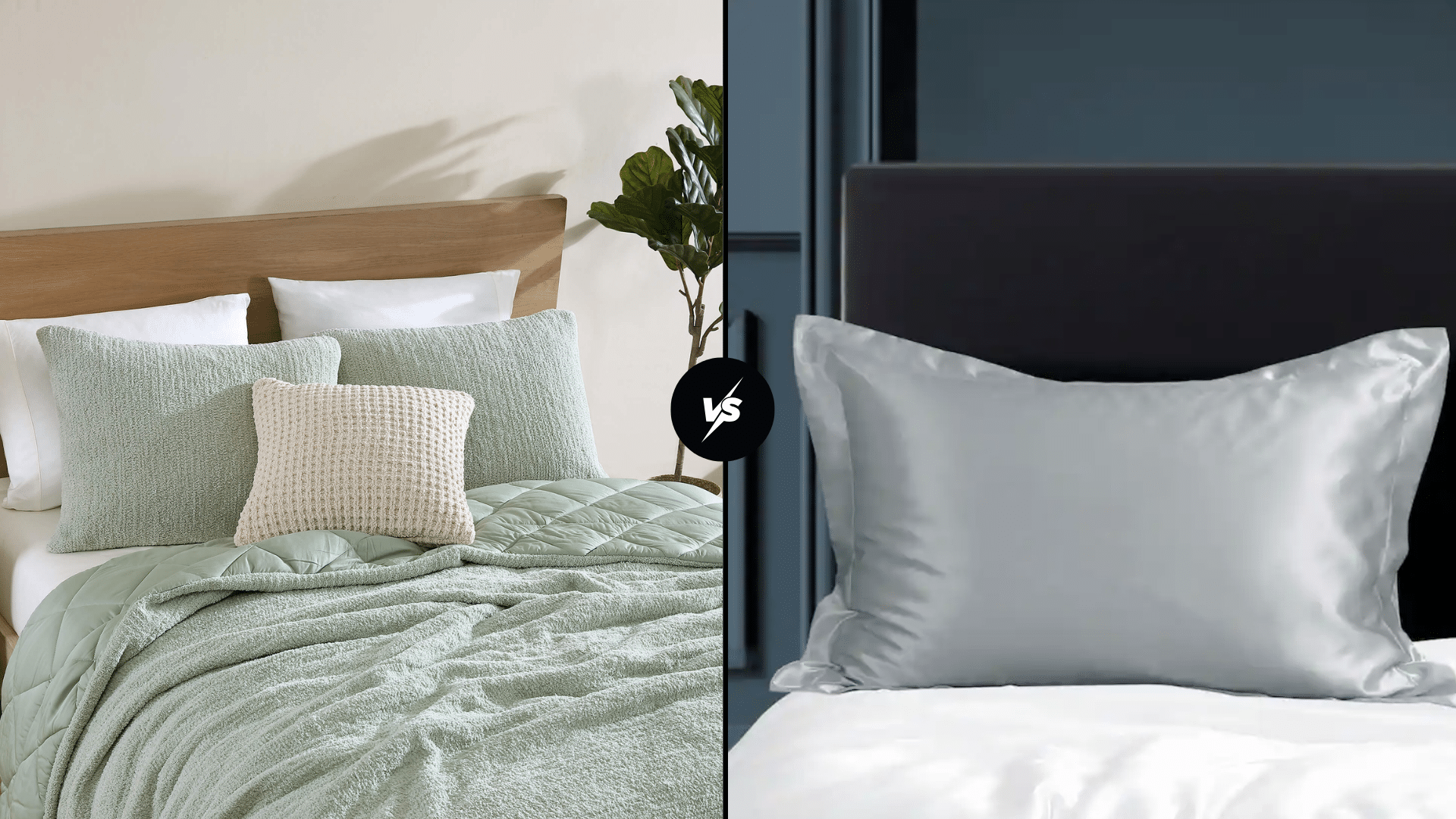
Choosing between a sham vs pillowcase can be tricky, especially when you’re trying to balance comfort with style.
You’ve probably wondered which option works best for your needs. Pillowcases protect your pillows and provide comfort while you sleep, while pillow shams are decorative and add a stylish touch to your bed.
Understanding the key differences and how to use both together can help improve the look of your bedroom without compromising on comfort.
In this, I’ll break down their differences, share some practical styling tips, and give you care instructions to make the best decision for your bedding setup.
Let’s find the perfect pillowcases and shams to uplift your space!
Why You Need Pillow Shams and Pillowcases?
I’ve learned that pillowcases do more than just cover your pillow; they protect your skin and hair from oils and bacteria buildup.
Washing pillowcases regularly helps keep your face clearer and improve sleep. Clean bedding simply makes a difference in how you feel.
I use pillow shams to instantly make my bed look pulled together without much effort. They hide sleeping pillows during the day, adding a polished touch.
When I combine fresh pillowcases with coordinating shams, my bedroom feels both clean and stylish. Good sleep hygiene starts with clean bedding you enjoy.
What is a Pillowcase?
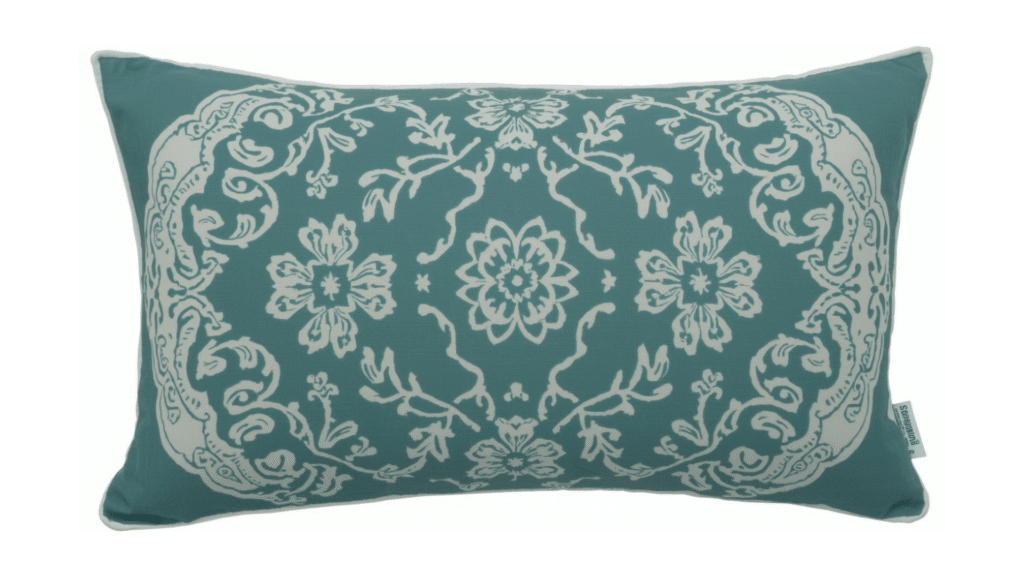
It acts as a barrier against dirt, oils, and sweat, keeping your pillow clean and comfortable.
Pillowcases are essential for both hygiene and comfort, as they provide a smooth, cozy surface for your head.
Key Features of Pillowcases
Pillowcases are designed to be both functional and comfortable, offering several key features that improve your sleep experience.
- Simple Design: Pillowcases feature an opening for easy use, making them simple to put on and remove.
- Breathable Fabrics: Made from cotton, linen, or silk, pillowcases allow air circulation for a cool, comfortable sleep.
- Comfortable Surface: Pillowcases provide a smooth, soft surface, promoting a restful night’s sleep.
Types of Pillowcases
When choosing a pillowcase, the material plays a significant role in comfort and functionality.
Here’s a quick breakdown of the most common types:
| Material | Features |
|---|---|
| Cotton | Soft, breathable, and durable. Ideal for everyday comfort. |
| Satin/Silk | Helps prevent hair frizz and reduces skin wrinkles. |
| Polyester | Affordable and durable, but less breathable. |
| Linen | Cooling and durable, great for warm weather. |
These materials offer various benefits, making it easy to find the perfect pillowcase for your needs.
Health Benefits
Beyond comfort, pillowcases also offer several health benefits, helping to maintain cleanliness and support skin health:
- Helps reduce the buildup of oils and dirt.
- Can prevent acne and wrinkles.
- Keeps your pillow fresh and clean, improving sleep hygiene.
What is a Pillow Sham?
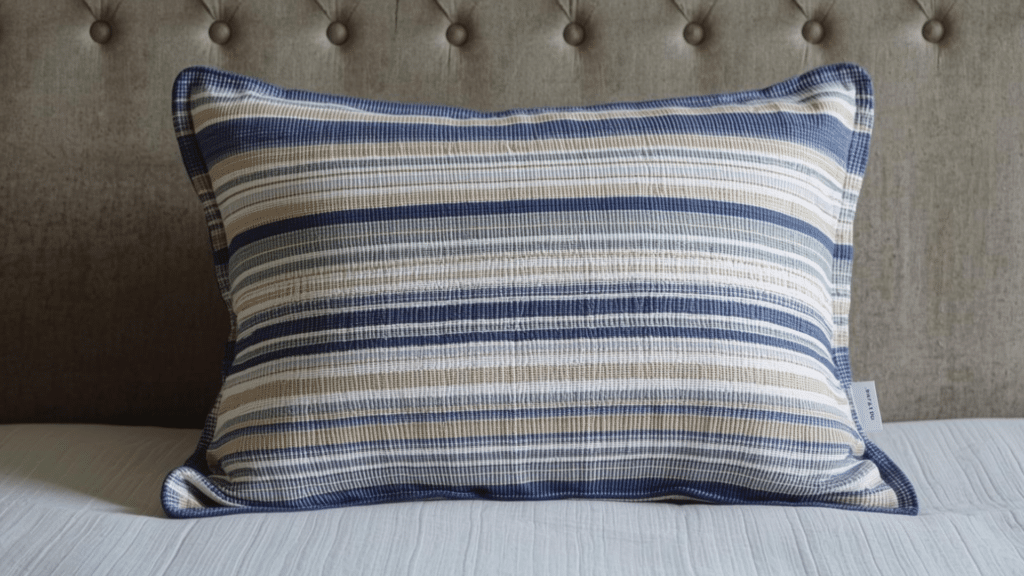
Primarily used for style, it adds texture and style to your bedding while hiding your pillow during the day.
Pillow shams are essential for creating a polished, finished look in the bedroom.
Key Features of Pillow Shams
Pillow shams are designed to add beauty to your bed while still offering functional qualities. Here are some key features:
- Embellished Design: Shams often include details like ruffles, flanges, or quilting to enhance their decorative appeal.
- Envelope-Style Closure: The opening is usually at the back, giving a sleek, polished look.
- Daytime Use: Shams are typically used during the day when the bed is made and removed at night for comfort.
Types of Pillow Shams
To help you choose the perfect pillow sham, here’s a breakdown of the most common types and their features:
| Material | Features |
|---|---|
| Standard Shams | Rectangular, most commonly used for regular pillows. |
| Euro Shams | Square, often used for layering on the bed. |
| Flanged Shams | Decorative fabric edges, offering a more elegant look. |
| Quilted Shams | Textured with stitching or patterns, adding dimension. |
These options allow you to select the right sham based on your bed size and desired beauty.
When to Use Pillow Shams
Pillow shams can serve both art and functional purposes, depending on your bedroom setup:
- For Decorative Purposes: To add style and flair to your bed, improving the room’s look.
- As Extra Support: Some use shams behind their pillows for added support while sitting up in bed.
Sham vs Pillowcase: Key Differences
Understanding the key differences between pillowcases and pillow shams helps you decide which is best for your needs.
Here’s a quick comparison:
| Feature | Pillowcase | Pillow Sham |
|---|---|---|
| Purpose | Protects the pillow from dirt, oils, and sweat, providing comfort during sleep. | Primarily decorative, adding style to your bed and hiding pillows during the day. |
| Design | Simple, functional design with an opening at one end (often with a flap or tuck). | Decorative, often embellished with flanges, ruffles, or quilting. Has an envelope-style closure at the back. |
| Materials | Made from soft, breathable fabrics like cotton, linen, or silk. | Crafted from luxurious fabrics like silk, jacquard, or cotton blends, designed for visual appeal. |
| Functionality | Provides a smooth, soft surface for sleeping, ensuring comfort and hygiene. | Primarily for artistic purposes; can also provide extra support behind sleeping pillows. |
| Placement | Placed directly on the pillow and used for sleeping. | Placed on top of pillows with cases during the day, removed at night. |
| Comfort | Designed for comfort during sleep, with soft fabrics that improve rest. | May not be as soft as pillowcases for sleep; used more for style than comfort. |
| Care | Regularly washed, often with bedding. Usually machine washable. | Spot-cleaned or washed less frequently, as they’re not in direct contact with skin. |
| Sizes | Common sizes include standard, queen, and king. | Available in standard, king, Euro (square), and boudoir sizes. |
| When to Use | Used nightly to protect pillows and maintain cleanliness. | Used for styling purposes to improve the aesthetic of the bed. |
| Health Benefits | Helps prevent acne and wrinkles by reducing dirt and oil buildup on pillows. | No direct health benefits, but contributes to a polished, tidy appearance. |
These distinctions can help you choose the right one based on comfort or style.
How to Choose Between Pillowcases and Pillow Shams
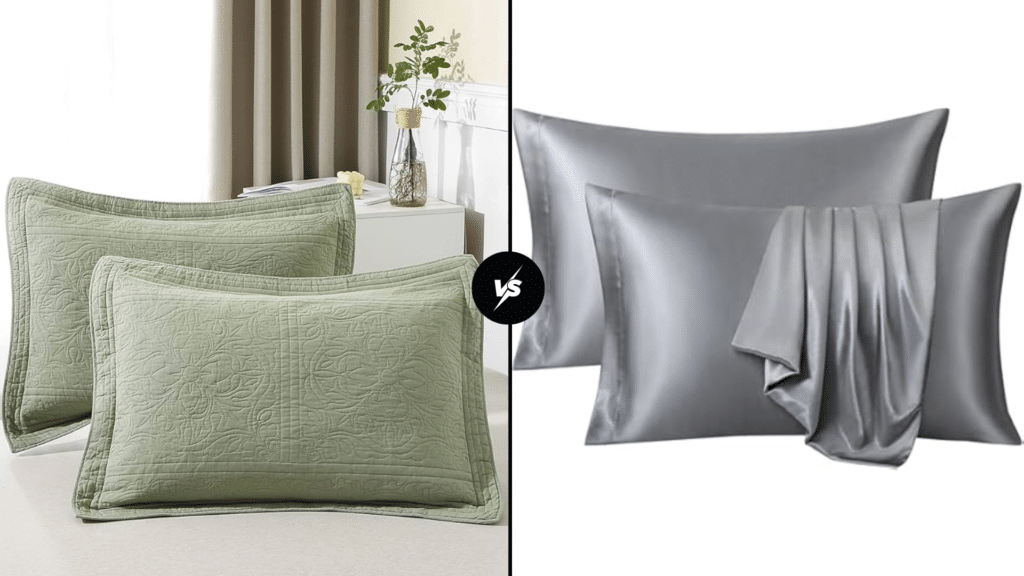
When deciding between a pillow sham vs case, it’s important to consider both function and beauty.”
- If Comfort is Your Priority: Opt for pillowcases, as they are designed for practicality and comfort. They offer a soft, breathable surface for sleep and protect your pillows.
- If Style is Your Focus: Choose pillow shams for a more luxurious, polished look. They add texture and style to your bed and help create a finished, uplift appearance.
- For Minimalist Design: Stick to simple, solid pillowcases or plain shams.
- For a Luxurious Feel: Choose detailed, flanged, or quilted shams, paired with silk or satin pillowcases for extra style.
You can combine both to get the best of both worlds. Use pillowcases for sleeping and pillow shams for decoration. For a clean and stylish look, layer shams in the back and place pillowcases in front.
Practical Tips for Styling with Pillowcases and Pillow Shams
To create a cohesive, stylish bed setup, here are some practical tips for mixing pillowcases and pillow shams:
- Layer Shams for Height: Place Euro shams at the back, followed by standard shams for a layered, balanced look. This adds depth and dimension to your bed, making it appear fuller and more inviting.
- Mix Fabrics for Texture: Combine different fabrics like cotton pillowcases with satin or quilted shams to create visual interest. Mixing textures enhances your bed’s overall look, adding richness and variety.
- Use Contrasting Colors: Choose shams in contrasting colors to your pillowcases for a pop of style and visual appeal. Bold color contrasts help to make your bedding stand out and make a statement.
- Keep It Coordinated: Match your pillowcases and shams to your bedding theme, whether minimalist or luxurious. Coordinating colors and designs ensures a cohesive, polished look across your bedding.
Caring for Pillowcases and Pillow Shams
Proper care is essential to maintain the quality and longevity of your pillowcases and pillow shams. Regular washing and drying will keep them fresh, soft, and in great shape.
Pillowcase Care
Wash Regularly: To maintain hygiene, wash pillowcases at least once a week. This helps remove oils, dirt, and sweat accumulated during sleep. Regular washing will keep your pillowcase fresh and clean.
Drying: Always dry pillowcases on a low heat setting to avoid damaging the fabric. High heat can cause shrinkage or wear out the softness of materials like cotton and linen.
Fabric-Specific Tips:
- For silk and satin pillowcases, hand-wash or use a delicate cycle to preserve the fabric’s smooth texture.
- Cotton pillowcases can be machine-washed with warm water, as this helps remove oils and keeps the fabric soft.
Pillow Sham Care
Wash Less Frequently: Pillow shams don’t need to be washed as often as pillowcases. Spot-clean stains and wash them every few weeks to keep them looking fresh.
Gentle Wash: Use a mild detergent for delicate fabrics like silk or jacquard to avoid damaging the embellishments or soft texture. A gentle wash cycle will keep your shams in great condition.
Drying: For best results, air-dry pillow shams or use a low heat setting. This prevents shrinkage and keeps the fabric’s integrity intact. Avoid over-drying to protect the fabric from damage.
That’s a Wrap
Now that you understand the difference between sham vs pillowcases, you can make an informed choice based on your needs.
Pillowcases are crucial for sleep comfort and hygiene, while pillow shams are all about adding decorative style and elegance to your bed.
By knowing when to use each, you can create a balanced and visually appealing bedroom. If you’re going for a minimalist design or a more luxurious look, combining pillowcases with shams can uplift your space.
I’d love to know, how do you style your bed? Do you prefer pillowcases, shams, or both? Share your thoughts and experiences, and let’s continue the conversation on how to make our bedrooms more beautiful and functional!