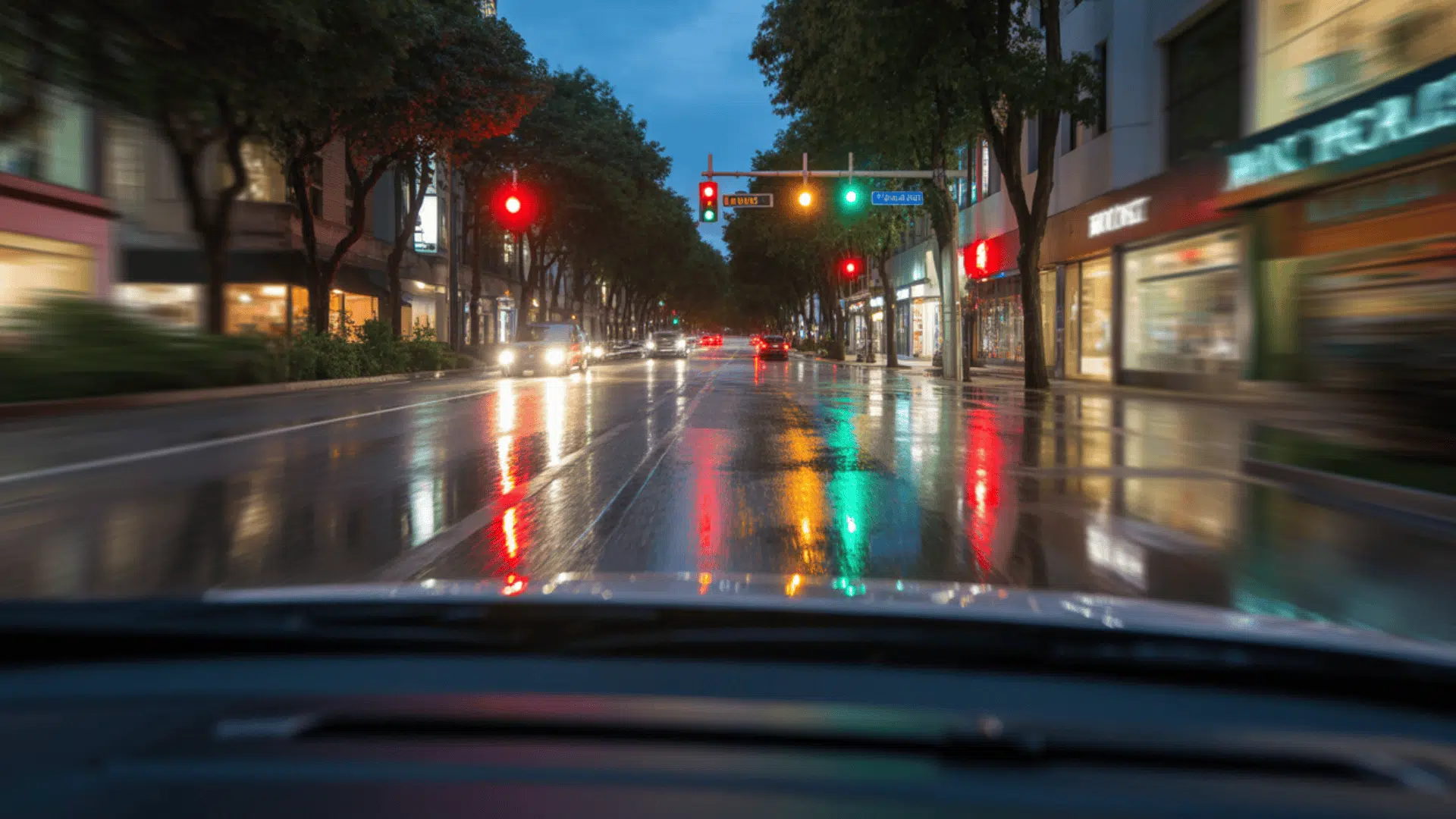

Have you ever been driving at night and felt like your eyes were playing tricks on you? I get it, when you have astigmatism at night, everything looks different.
Those car headlights coming toward you turn into weird starbursts. Streetlights have these annoying halos around them. And sometimes, you’re squinting so hard trying to see clearly that you end up with a headache.
It’s frustrating, right? I’m going to explain why astigmatism makes nighttime so tricky for your eyes. We’ll look at what you see versus what people with normal vision see.
Plus, I’ll share some super helpful tips and solutions that can actually improve your night vision.
Understanding Astigmatism Lights: Why They Look So Weird
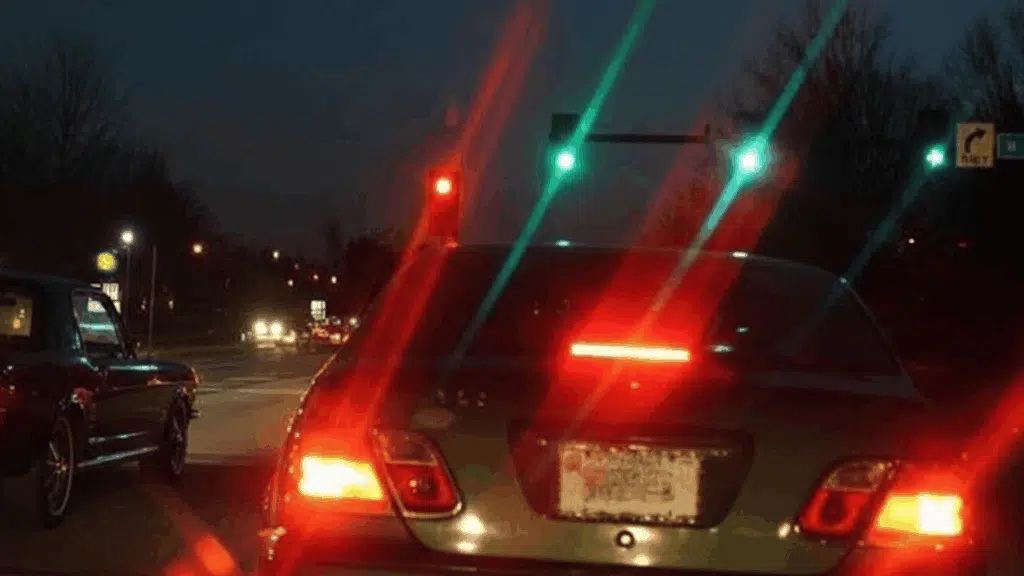
When we talk about astigmatism lights, we’re talking about those crazy visual effects you see around any light source at night. You know the starbursts, halos, and weird streaks that make driving feel like you’re in a sci-fi movie.
Here’s what’s actually happening with those astigmatism lights: When you look at a single headlight, your brain receives multiple blurred images of that same light all at once.
The result? Those signature starbursts are where light streaks shoot out in all directions like spokes on a wheel. The halos are circles of blurred light surrounding the source. And sometimes you’ll see vertical or horizontal streaks cutting through lights.
The brighter the light source, the more dramatic the astigmatism light’s effect becomes. That’s why LED headlights and modern streetlights can feel especially overwhelming compared to older, dimmer bulbs!
What is Astigmatism and Why Does It Get Worse at Night?
To break this down simply. Astigmatism is when your eye isn’t perfectly round like a basketball. Instead, it’s shaped more like a football kind of an oval or a curved shape.
This weird shape means light doesn’t focus properly on the retina when it enters your eye. So instead of seeing one clear image, everything looks blurry or distorted. During the day, this might not bother you much.
But at night? That’s when things get really bad.
Here’s why. When it’s dark, your pupils get bigger to let in more light. But with astigmatism, those bigger pupils work against you. More light floods in, but your football-shaped eye scatters it rather than focusing it properly.
During the day, smaller pupils mean less scattered light. At night, with pupils wide open, the scattering becomes super noticeable.
That’s exactly why headlights turn into starbursts and streetlights get those annoying halos.
Astigmatism at Night vs. Normal Vision
Ever wondered what your friend with perfect vision sees when they’re driving at night while you’re struggling? Let me show you the real differences between normal night vision and what astigmatism makes you see:
| What You’re Looking At | Normal Vision | Astigmatism Vision |
|---|---|---|
| Car Headlights | Clear, bright lights with defined edges | Starbursts with streaks shooting out like spokes on a wheel |
| Streetlights | Round, glowing lights that are easy to see | Blurry halos or rings surrounding each light |
| Traffic Signals | Sharp, clear red, yellow, and green lights | Fuzzy colors that might bleed into each other |
| Road Signs | Easy to read from a distance | Hard to focus on; letters look blurry or doubled |
| Overall Clarity | Good depth perception and clear vision | Everything seems a bit fuzzy or out of focus |
| Glare Level | Manageable brightness from lights | Intense, uncomfortable glare that’s hard to handle |
| Eye Comfort | Eyes feel relaxed while driving | Eyes strain and tire quickly; possible headaches |
| Focus Ability | Can shift focus between near and far easily | Difficulty focusing; takes longer to adjust |
The biggest difference? People with normal vision see lights as they really are, clear and defined. With astigmatism at night, those same lights turn into distracting visual effects that make driving much more challenging and tiring.
How Astigmatism Affects Night Driving?
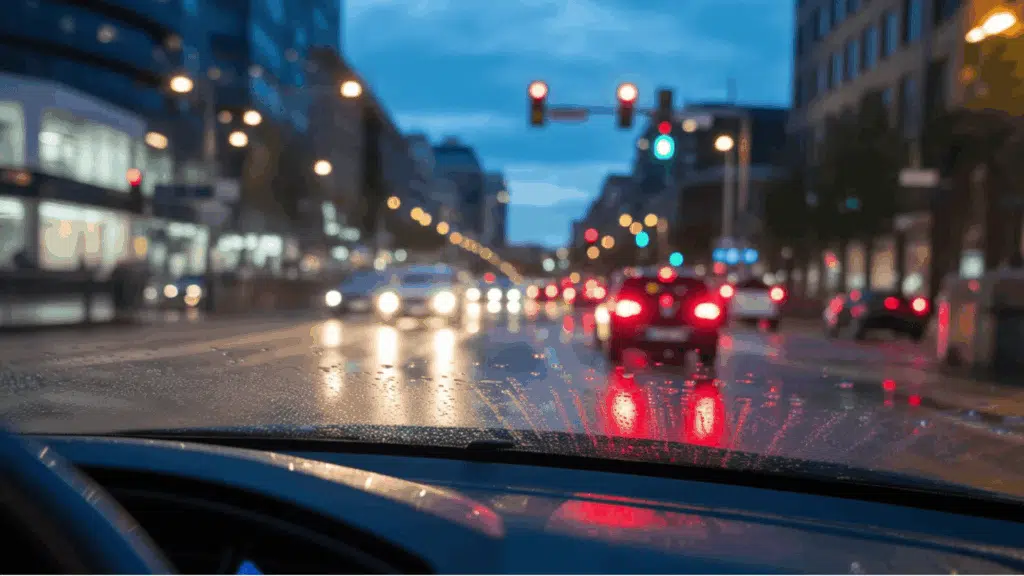
Let’s be real, driving at night with astigmatism can feel scary sometimes. It’s not just annoying; it actually affects how safely you can drive. Here’s what you’re probably dealing with every time you get behind the wheel after dark.
- Street signs become impossible to read: You can’t make out exit numbers or street names until you’re practically right next to them. The letters look blurry or doubled, so you end up missing turns or slamming on your brakes at the last second.
- Your safety is at risk: Studies show that uncorrected astigmatism increases the risk of nighttime accidents. Your reaction time slows when you’re straining to see, and you might drift out of your lane because the road lines look blurry.
- You get tired super fast: All that squinting and focusing exhausts your eyes way faster than normal driving. You might feel completely drained after just 20 minutes on the road, and tired eyes can lead to dangerous driving.
The good news? It doesn’t have to be this way. With the right solutions, you can take back control of your night driving.
Solutions to Improve Your Night Vision with Astigmatism
Okay, so now you know why nighttime is such a pain with astigmatism. But let’s talk about the good stuff, what you can actually try to make things better!
- Get an Updated Eye Prescription: Your eyesight changes over time, so updating your prescription can improve night vision. Visit your eye doctor for a quick adjustment if you’re struggling.
- Choose the Right Corrective Lenses: Regular contacts aren’t enough for astigmatism. Ask your doctor about toric lenses designed to correct light distortion for clearer night vision.
- Add Anti-Reflective Coating to Glasses: Anti-reflective coating reduces glare from headlights and streetlights, improving nighttime clarity. It’s a small investment that makes a big difference.
- Keep Everything Clean: Clean your glasses, windshield, and headlights regularly to reduce glare and improve your nighttime vision. Smudges can worsen astigmatism symptoms.
- Adjust Your Car’s Headlight Alignment: Misaligned headlights can make nighttime driving harder. Ensure your headlights are properly aligned to improve road visibility, and get them adjusted by a mechanic if needed.
Taking these simple steps can make a big difference in how you see at night. With the right lenses, clean surfaces, and proper adjustments, you can enjoy clearer, safer vision when driving or navigating in low light.
Final Takeaway
Living with astigmatism at night doesn’t have to keep you from enjoying evening drives or feeling confident after dark. I hope this has helped you understand why lights look so strange and what you can do about it.
Remember, the most important step is to get your eyes checked regularly and keep your prescription up to date. If it’s adding anti-reflective coating to your glasses, trying toric contact lenses, or simply keeping your windshield clean, small changes can make a huge difference.
Your night vision matters for your safety and peace of mind. If you found these tips helpful, I’d love to hear about your experience.
Drop a comment below sharing what works for you or any questions you still have. Your story might help someone else struggling with the same challenges!